
How To
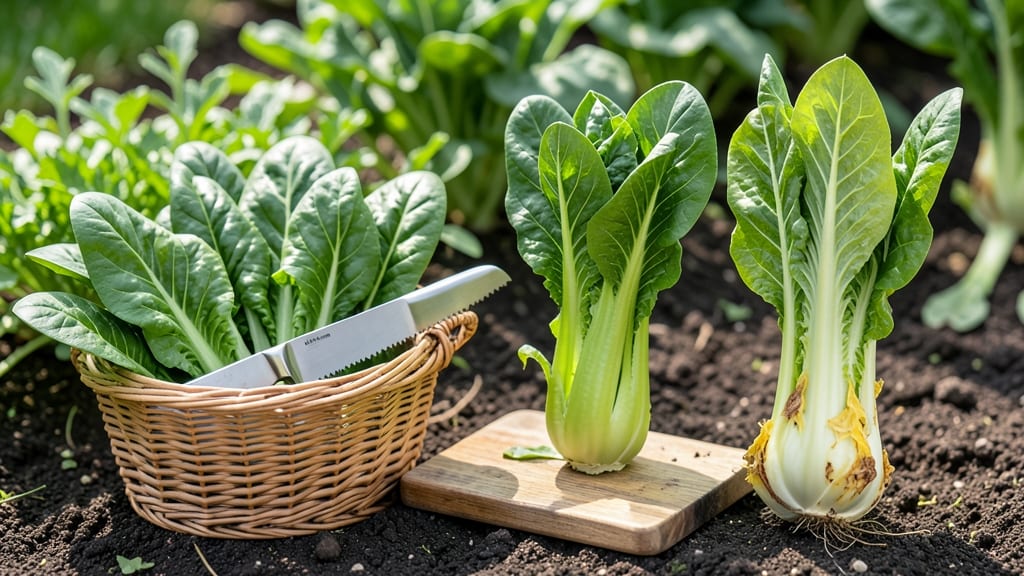
Harvesting romaine lettuce 🥬 too late turns your crisp greens into bitter, tough stalks—sometimes in just days, and there’s no bringing them back.
You’ve spent weeks nurturing your romaine lettuce, only to watch it bolt or turn woody right when you’re ready to enjoy it. The key is knowing the exact moment to stop harvesting before quality plummets.
In cooler climates like USDA Zone 6a, you’ve got a 3-4 week window between ideal harvest and bolting. Warmer regions? That shrinks to just 2 weeks if temperatures creep above 75°F. Miss the mark, and you’re left with leaves that taste like cardboard.
Here’s how to spot the three key signs it’s past prime, plus how to stretch your harvest season with shade tricks and smart planting timing.
3 Clear signs your romaine lettuce is past prime for harvesting
Harvesting romaine lettuce at the perfect moment ensures crisp, flavorful leaves perfect for salads. But knowing when it's too late to harvest can be tricky—especially if you've missed the ideal window. Once your lettuce crosses these three critical thresholds, the quality plummets fast, and the leaves become bitter or tough.
I’ve learned the hard way that waiting just 2-3 days too long can ruin an entire harvest.
The first red flag appears when your romaine lettuce leaves start feeling leathery or rubbery instead of crisp. This texture change happens as the plant shifts energy from leaf production to seed development.
Even if the leaves look green, that toughness means they’re past their prime. I once harvested a batch that felt like eating sandpaper—definitely not the salad I’d planned!
Another unmistakable sign is a thickening stem at the base of the plant. When the main stem swells and feels woody, it’s a clear signal that the lettuce is maturing into its bolting stage.
This thickening happens as the plant prepares to send up a flower stalk, and the leaves become fibrous and unappetizing. If you’ve ever bitten into a lettuce leaf that tastes like cardboard, you’ve likely waited too long.
Here’s the most obvious clue: the appearance of a flower stalk or seed head. When your romaine sends up a tall, thin stalk with yellow or white buds, it’s definitely past prime. This bolting process is irreversible, and the leaves will quickly turn bitter.
I’ve seen gardeners panic when this happens, but don’t worry—there are still ways to use the plant, even if it’s no longer ideal for fresh eating.
If you’ve noticed any of these signs, it’s time to act fast. The good news? Overmature romaine isn’t wasted—it can still be used in cooked dishes like soups or stocks, where the bitterness mellows out.
I’ve even repurposed bolting lettuce into pestos or smoothies by blending the leaves with other ingredients. But for fresh salads, the window closes quickly once these signs appear.
To avoid this situation next time, I recommend harvesting your romaine in the morning when the leaves are at their crispest. Use a sharp knife to cut the outer leaves, leaving the inner ones to keep growing.
This cut-and-come-again method extends your harvest by weeks. And if you’re growing in warm climates, opt for heat-tolerant varieties like ‘Black Seeded Simpson’ or ‘Jericho,’ which bolt more slowly.
One of the biggest mistakes I see gardeners make is ignoring the day length and temperature triggers for bolting. Romaine lettuce is sensitive to long daylight hours and heat, which accelerate its maturation.
If you’re in a region with hot summers, consider using shade cloth to delay bolting and buy yourself more harvest time. Even a simple row cover can make a huge difference in keeping your lettuce fresh longer.
Finally, if your romaine has already bolted, don’t toss it out! The flower stalks can be used to attract pollinators to your garden, and the leaves can still be composted to enrich your soil.
I’ve even saved seeds from bolted lettuce to plant the following season—just let the stalks dry completely before harvesting the seeds. It’s a great way to turn a "failed" harvest into a new opportunity.
How heat and day length accelerate romaine lettuce bolting (and how to delay it)
Romaine lettuce 🥬 is a cool-season crop that bolts when stressed by heat or long daylight hours. When temperatures climb above 75°F or daylight stretches beyond 14 hours, your lettuce triggers its reproductive cycle—producing bitter, woody stalks instead of tender leaves.
This happens because romaine evolved in Mediterranean climates where summer heat signals it's time to flower and set seed.
In USDA Zone 6a, where summers are warm but not extreme, bolting typically starts in late June if you planted early spring lettuce. But in hotter regions like Zone 9a, your lettuce may bolt as early as May if exposed to consistent afternoon sun.
The key is understanding these triggers so you can act before your harvest window closes.
Day length plays an equally critical role. Romaine lettuce is a short-day plant, meaning it bolts when daylight exceeds 14-16 hours. In northern latitudes, this happens naturally in summer, but in southern climates, even 12-hour days can trigger bolting if combined with heat stress.
This is why fall-planted lettuce often fares better—shorter days keep it in production longer.
When Is It Too Late to Harvest?
You’ve got about 3-5 days after the first flower stalk appears to salvage outer leaves for cooking. Once stalks reach 6+ inches or leaves turn yellowish-brown, compost them immediately—they’re inedible. For heat-stressed lettuce (leaves curling, bitter taste), harvest within 24 hours of noticing signs to use in soups or smoothies.
To delay bolting, start with shade cloth. A 30-50% shade cloth reduces leaf temperature by 10-15°F, buying you 2-3 extra weeks of harvestable growth. Install it in late afternoon when sun is most intense—this mimics cooler conditions.
Pair this with drip irrigation to keep soil moisture consistent; fluctuating water levels stress plants and accelerate bolting.
Another game-changer is succession planting. Instead of one massive planting, sow small batches every 2 weeks starting in early spring and again in late summer. This ensures you always have young, heat-sensitive lettuce reaching maturity during cooler morning hours.
For example, a June 1st planting in Zone 6a will bolt by July 15th, but a July 1st planting may survive until August 10th if shaded.
Finally, choose bolt-resistant varieties like 'Jericho' or 'Black Seeded Simpson', which tolerate 80°F+ temperatures better than standard romaine. These varieties can extend your harvest by 10-14 days in hot climates.
Combine them with mulch (straw or grass clippings) to keep soil temps 5°F cooler at the root zone, further delaying bolting.