
How To
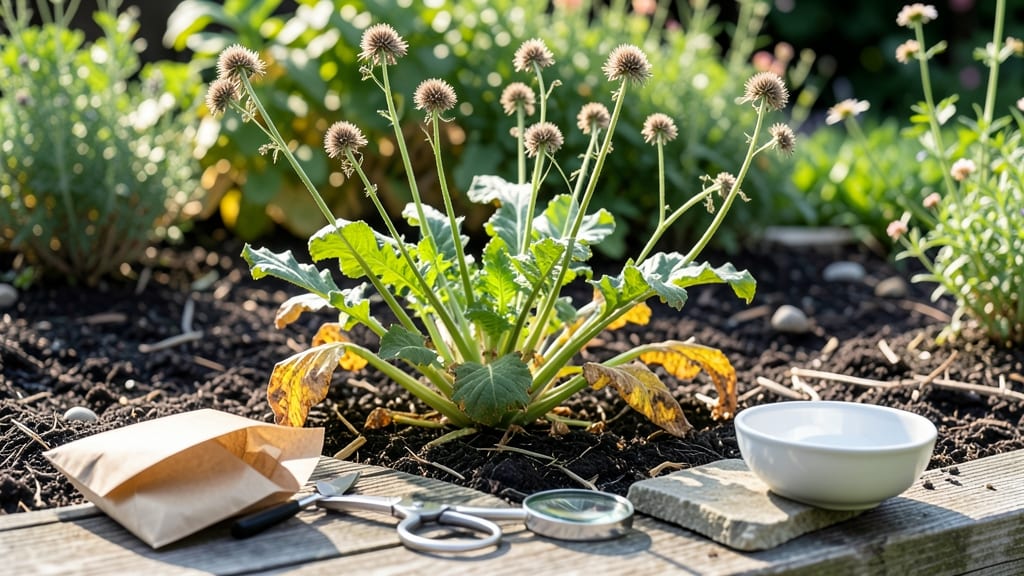
Harvesting lettuce seeds at the right time ensures viable, high-quality seeds for next year’s garden — but most gardeners miss the subtle cues that signal readiness.
If you’ve ever watched your 🥬 lettuce bolt and dry out only to find shriveled seeds inside, you know timing is everything. The difference between a thriving seed stash and wasted effort often comes down to knowing when those pods are truly ready.
In this guide, I’ll walk you through the three tactile tests that take the guesswork out of seed harvesting: the squeeze, twist, and color-check methods. These simple tricks help you pinpoint the exact moment for peak seed viability.
You’ll also learn how temperature, humidity, and post-harvest drying affect seed quality — and how to store them for the best germination rates. Let’s get started.
3 Tactile tests to determine lettuce seed pod ripeness
Harvesting lettuce seeds at the right moment ensures maximum seed viability and prevents wasted effort. Unlike leafy greens, seed production relies on dry, mature pods—but knowing exactly when they're ready takes practice. I've learned these three simple tactile tests that take seconds to perform and save hours of guesswork.
Lettuce plants transition from leaf production to seed formation when stressed by heat, drought, or maturity. The seed stalks (bolting stems) will appear, and tiny flower buds form before turning into dry seed pods.
Missing these subtle cues means you might harvest too early—with damp, non-viable seeds—or too late, when pods shatter and seeds scatter.
Gently squeeze a mature seed pod between your thumb and forefinger. If it feels dry and papery with no resistance, it's ready. A plump or rubbery pod needs more time.
Grasp the pod near the base and twist gently. If it snaps cleanly with minimal force, seeds are fully mature. A pod that bends but doesn't break needs 2-3 more days.
Mature lettuce seed pods turn from green to tan or light brown. Check the underside of pods—if seeds are visible through the thin membrane, they're ready for harvest.
Timing matters because lettuce seed pods shatter easily once fully dry. On a warm, dry day (ideal conditions: 70-80°F and low humidity), perform these tests on 3-5 pods from different plants to confirm readiness. If most pass all three tests, it's harvest time!
For looseleaf varieties, seed pods often appear 60-75 days after planting, while head lettuce may take 70-85 days. Always monitor plants daily during the final week, as pods can dry overnight. Use a breathable paper bag to collect pods if they're still attached but ready.
Pro tip: Harvest pods in the early morning when humidity is lowest. This reduces the risk of mold growth during drying. Lay pods on a screen or mesh surface in a dry, shaded area for 3-5 days, stirring occasionally to ensure even drying.
Overlooking these tactile cues can lead to low germination rates or seed loss. For example, I once harvested pods that passed the color test but failed the squeeze test—only to find they were still damp inside. The lesson? Combine all three tests for foolproof results.
Once pods are fully dry, gently rub them between your fingers to release seeds. Store them in a cool, dark place (like a sealed jar in the fridge) for up to 3 years. Properly harvested seeds should germinate at a rate of 80-90%.
If you're new to seed saving, start with heirloom varieties like 'Black Seeded Simpson' or 'Buttercrunch,' as they produce more reliable seed pods. Avoid hybrid varieties, which often don't produce true-to-type seeds.
Now that you know the signs, grab your gloves and get hands-on! These tactile tests will transform your lettuce seed harvest from a gamble into a predictable, rewarding process. 🌱
Best practices for harvesting and storing lettuce seeds
Once your lettuce plants bolt and develop seed pods, timing your harvest correctly ensures high germination rates and avoids wasted effort. The key lies in watching for pod color changes and using tactile tests to confirm readiness.
Harvesting too early means immature seeds, while waiting too long risks shattering pods or poor viability.
For optimal results, aim to harvest when 70-80% of the pods turn from green to tan or light brown. This color shift signals the seeds inside have reached full maturity.
However, color alone isn’t enough—you’ll also need to perform the tactile tests I’ll outline below to guarantee peak seed quality.
- Step 1: Wait for Pods to Turn Tan – Harvest when 70-80% of pods change from green to tan or light brown. Avoid harvesting when pods are still green or fully brown.
- Step 2: Perform the Squeeze Test – Gently squeeze a pod; if it crinkles slightly but doesn’t break open, seeds are ready. If it feels hard or mushy, wait 1-2 days.
- Step 3: Check for Seed Movement – Shake a pod over paper; if seeds rattle inside but don’t spill out, they’re mature. If no sound, wait longer.
- Step 4: Harvest in Dry Weather – Choose a sunny, dry day with low humidity (below 60%) to prevent mold during drying.
- Step 5: Cut Pods with Scissors – Use clean, sharp scissors to snip pods at the stem, leaving a small portion attached to avoid damage.
- Step 6: Dry Pods for 1-2 Weeks – Hang pods in a well-ventilated, dry location (e.g., mesh bag) until completely dry and brittle.
- Step 7: Remove Seeds from Pods – Once dry, rub pods between your hands or use a seed thresher to release seeds. Store in a paper envelope in a cool, dark place.
After harvesting, proper drying is critical to prevent mold and maintain seed viability. Spread pods on a paper towel or mesh screen in a shady, dry spot with good airflow.
Avoid direct sunlight, which can overheat seeds and reduce germination rates. Aim for a drying time of 1-2 weeks, depending on humidity levels.
For long-term storage, place dried seeds in paper envelopes or breathable cloth bags and store them in a cool, dark place (like a fridge or seed vault). Label each envelope with the variety name and harvest date to track freshness.
Under ideal conditions, lettuce seeds remain viable for 2-4 years, though germination rates decline over time.
To maximize seed quality, avoid harvesting during high humidity or rainy periods, as moisture accelerates mold growth. If pods shatter before you’re ready, collect fallen seeds immediately and dry them separately. With these techniques, you’ll ensure a reliable seed supply for next season’s garden.