
Picking
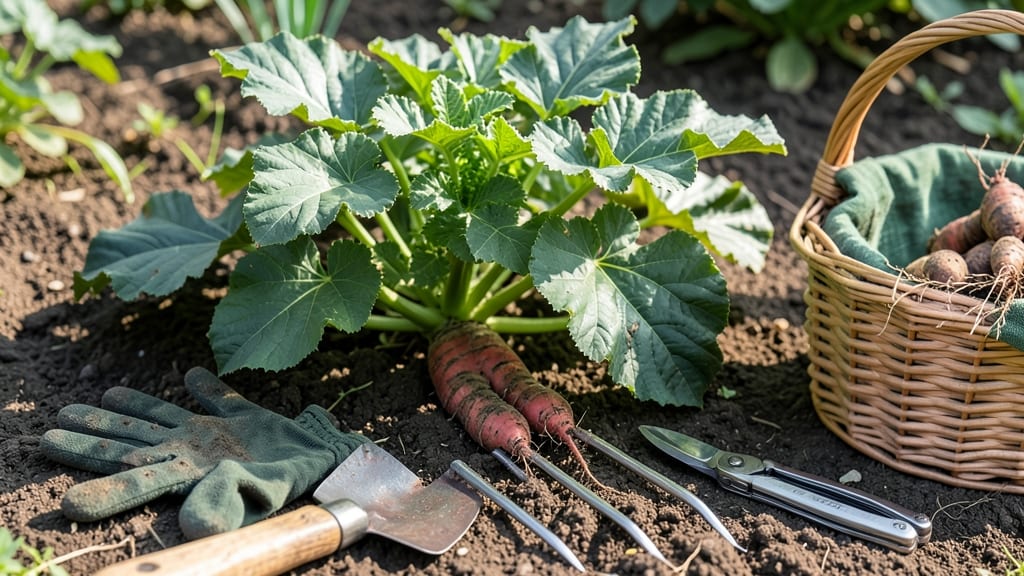
Harvesting horseradish at the right time ensures its signature fiery kick and smooth texture 🌿 — but most gardeners miss the key signs that signal readiness.
Imagine slicing into a root only to find it bitter and woody instead of sharp and peppery. That’s what happens when you harvest too early or too late. The ideal window is late fall or early winter, after the second growing season, when the leaves yellow and die back.
Root size matters too: aim for 6-12 inches in length, with firm, blemish-free roots. Climate plays a role—cooler regions may shift timing slightly, but the visual cues stay the same.
In this guide, I’ll walk you through how to test for peak flavor, when to dig based on your zone, and how to store your harvest so it stays fiery and fresh for months.
Ideal horseradish root size and growth stages for harvesting
Timing your horseradish harvest is everything—wait too long, and you risk a bitter, woody root instead of the sharp, peppery punch we all crave. The key lies in understanding the three-year growth cycle and how root size correlates with flavor intensity.
Most gardeners harvest after the second growing season, but climate plays a role: cooler regions may need an extra year for full maturity.
In its first year, horseradish focuses on root development underground while producing minimal foliage. By year two, you’ll see 1-2 ft of lush green leaves, signaling the roots are thickening.
This is when most gardeners start monitoring for harvest readiness. The third year is optional—roots can grow larger, but flavor may mellow slightly due to age.
Here’s the critical root size guide: aim for 6-12 inches long and 1-2 inches thick at the widest point. Smaller roots (3-5 inches) are underdeveloped and lack heat, while oversized roots (> 14 inches) often become fibrous.
The ideal harvest window is late fall to early winter, when leaf color fades to yellow and stems thin.
| Growth Stage | Root Size | Foliage Signs | Harvest Time | Flavor Note |
|---|---|---|---|---|
| Year 1 | 3-5 inches | Minimal leaves | Not ready | Mild, underdeveloped |
| Year 2 | 6-12 inches | 1-2 ft tall, green | Late fall/early winter | Peak spiciness |
| Year 3+ | 12-18 inches | Yellowing leaves | Optional, late fall | Milder, woody risk |
Heat levels also influence timing: in mild climates (USDA Zones 8-10), horseradish may need three years to reach peak flavor, while cooler regions (Zones 3-6) often hit sweet spots in two years.
Watch for stem thickness—roots with 1-inch-wide stems at the base are prime. Thin stems mean delayed harvest, risking frost damage before maturity.
Don’t rely solely on size—check the leaf color. Healthy, ready-to-harvest plants show yellowing leaves and thin stems, signaling the plant is redirecting energy to root storage. If leaves stay vibrant green into winter, delay harvest by 4-6 weeks to let roots bulk up further.
Over-mature roots (> 18 months) lose their kick and gain a gritty texture.
Pro tip: Dig a test root in early fall to gauge progress. If it’s smaller than a golf ball, wait another 6-8 weeks. If it’s firm and 3+ inches long, it’s harvest-ready.
This method prevents over-maturing and ensures you’re always one step ahead of frost. In hot climates, summer dormancy may pause growth—harvest after the first heavy rain of fall to restart root development.
For intense heat levels, prioritize second-year roots from cool-season plantings (March-April). These roots develop faster in 50-60°F soil and pack the most punch. Avoid harvesting in summer heat—roots stressed by drought or extreme temps produce milder, bitter flavors. Always harvest on cool
How to test horseradish peppery flavor before harvesting
Testing horseradish roots before digging ensures you get that signature peppery punch instead of bitter disappointment. Start by examining the leaf color—healthy yellowing leaves signal maturity, while green foliage means more time is needed.
The roots should also feel firm and reach 6-12 inches in length for optimal flavor intensity.
Next, dig up a small test root using a garden fork to avoid damaging the plant. Gently brush off the soil to check for blemishes or soft spots, which indicate poor quality. A well-developed root will have a smooth, tapering shape with a thick, white interior when sliced open.
Climate plays a big role in flavor development. Cooler regions like USDA Zone 6a often produce spicier roots due to slower growth, while warmer climates may yield milder but larger roots. If your area experiences early frosts, harvest just before the first freeze to preserve heat levels.
🔍 Sensory testing is key—cut a small piece of the root and scrape it with a knife to release the oils. The stronger the aroma, the more intense the heat.
Taste a tiny amount: a sharp, lingering burn means it’s ready, while a mild or bitter taste suggests it needs more time in the ground.
⚠️ WARNING: Harvesting Too Late or Too Early
- Too early: Roots are small, woody, and lack heat (harvest after 2 full growing seasons).
- Too late: Over-mature roots develop bitter, pithy centers from frost damage.
- Climate tip: In warmer zones, harvest in late fall; in colder zones, wait until early spring before regrowth begins.
Soil conditions also impact spiciness. Well-draining, slightly acidic soil (pH 6.0-7.0) produces the sharpest roots, while heavy clay or alkaline soil can dull the flavor. If your roots taste weak, amend the soil with compost or peat moss before replanting cuttings for next year’s harvest.
For a foolproof test, dig up one root per plant and store it in the fridge for 24 hours before testing. This mimics curing and helps you predict how the rest of the batch will develop.
If the test root passes the aroma, texture, and taste checks, it’s time to harvest the entire patch!
Remember, horseradish’s heat builds over time—patience is key for that restaurant-quality kick. Store your freshly harvested roots in a cool, dark place for up to 6 months to preserve their fiery potential.