
How To
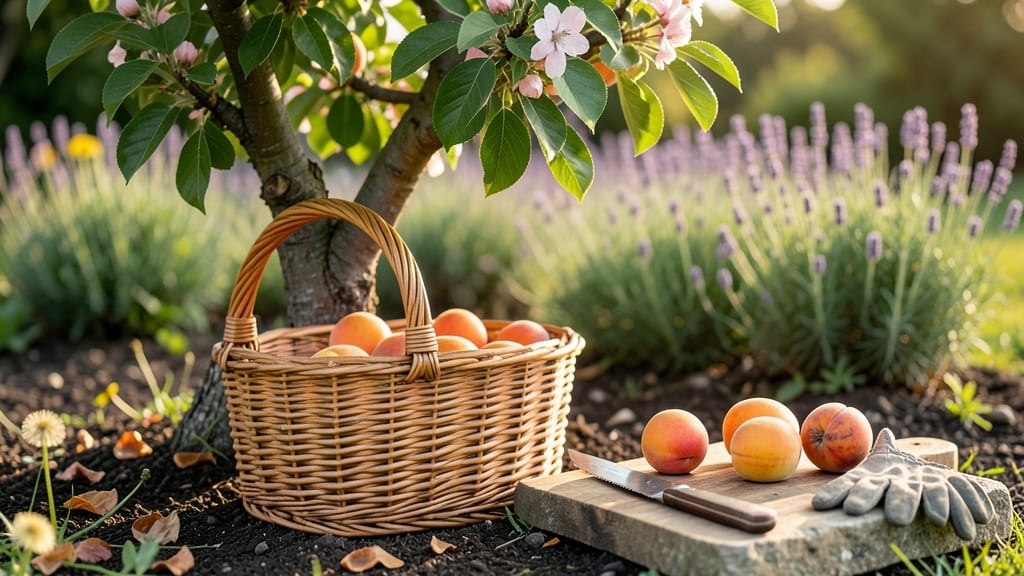
Harvesting apricots at the right time means waiting for them to reach peak sweetness—when they’re firm yet yielding to the touch and bursting with flavor.
Picking too early means bitter, underripe fruit, while waiting too long turns them mealy and disappointing. One wrong move can ruin weeks of care, so knowing the exact moment to harvest makes all the difference for home gardeners.
Most apricots ripen between July and August, but the best way to tell is by checking for a deep, consistent color and a slight give when gently squeezed. The stem should also separate easily with a twist.
In this guide, I’ll walk you through the 5-day ripeness window, how climate affects timing, and the simple tests to ensure your apricots are perfect for eating, preserving, or sharing.
The perfect apricot ripeness test: 3 signs to harvest at peak flavor
Harvesting apricots at the right moment transforms your tree's bounty from bitter disappointment to sweet perfection. Unlike some fruits that continue ripening off the tree, apricots reach their peak flavor only when picked at the perfect moment.
The key lies in understanding three science-backed ripeness indicators that work together to signal harvest time.
First-time apricot growers often make the mistake of waiting too long, ending up with overripe, mealy fruit that lacks flavor. Others pick too early, resulting in hard, tart apricots that never soften properly.
The solution? Mastering the three essential ripeness tests that guarantee you'll harvest apricots at their flavor peak every season.
Color change is your first clue - apricots shift from green to their characteristic orange or golden-yellow hue. However, color alone isn't enough. You'll also need to check the fruit's firmness and how easily it separates from the tree. These three factors combined create the 'firm yet yielding' rule that professional growers rely on.
| Ripeness Indicator | What to Look For | Why It Matters |
|---|---|---|
| Color Change | Deep orange or yellow with no green | Indicates full sugar development through photosynthesis |
| Firmness Test | Yields slightly when gently squeezed | Shows optimum starch-to-sugar conversion |
| Stem Separation | Separates cleanly with slight twist | Confirms natural ripening process completed |
| Scent Test | Sweet, fragrant aroma near stem | Indicates volatile compounds at peak levels |
The color change is your first visual cue that apricots are nearing harvest. Look for fruit that has transitioned completely from green to their mature orange or yellow color. This color shift indicates the fruit has undergone full chlorophyll breakdown and carotenoid development, both essential for sweetness.
However, color alone isn't sufficient - you must also perform the firmness test. Gently press the apricot with your thumb. It should feel firm yet yielding, like a ripe peach.
If it feels rock-hard, it's not ready. If it's too soft, it's overripe. This pressure test reveals the perfect balance between structural integrity and sugar content.
The third essential test involves stem separation. Grasp the apricot and give it a slight twist. When ripe, it should separate cleanly from the tree with minimal force. This indicates the fruit's natural abscission layer has fully developed, which occurs only when the fruit is physiologically mature.
Many gardeners overlook the scent test, but it's one of the most reliable indicators. Hold a ripe apricot near your nose - you should detect a sweet, fragrant aroma. This scent comes from volatile compounds that develop only at peak ripeness, providing both flavor and aroma cues.
Understanding why the 'firm yet yielding' rule matters is crucial. Apricots contain both pectins (which provide structure) and sugars (which provide sweetness). When firm, the pectins are intact, maintaining the fruit's shape.
When yielding, the pectins have begun breaking down, converting to sugars through a process called pectin methylesterase activity.
Timing your harvest within a 5-day ripening window ensures optimal flavor. Check your apricots daily during this period. The first fruit to meet all three criteria signals it's time to begin harvesting. Remember that apricots continue to ripen slightly after picking, but they won't improve significantly if underripe.
For home gardeners, mastering these three tests means the difference between disappointing apricots and showstopping fruit. The next time you're standing under your apricot tree with a basket in hand, take a moment to perform these simple tests.
Your taste buds will thank you when you bite into perfectly ripe apricots bursting with flavor.
Apricot ripening timeline: how many days until harvest after flowering?
Understanding your apricot tree’s ripening timeline starts with the 70-100 days after flowering, but the exact window depends on the variety and climate. Most apricots need 150 days total from bloom to harvest, though some early varieties like ‘Blush’ ripen in as few as 90 days.
Late varieties like ‘Royal’ may take up to 120 days after flowering.
Climate plays a huge role—cooler regions may see delayed ripening, while hotter areas can speed up the process. Daylength and temperature after flowering are critical: apricots need consistent warmth (70°F+) to develop properly.
If summer brings unexpected cold snaps, fruit may never fully ripen on the tree, leaving you with underdeveloped, sour apricots.
Here’s what you need to know about the post-bloom timeline and how to adjust for your growing conditions:
- 🌱 Days 70-80: Fruit sets and begins growing rapidly. Thin fruit if overcrowded to improve size.
- 🌿 Days 90-100: Color change starts—green turns to yellow or orange. Monitor for pests like aphids.
- 🍑 Days 110-120: Fruit softens slightly and stem begins separating. Test ripeness weekly.
- ⏰ Days 120-150: Peak harvest window. Pick when firm yet yielding—don’t wait for full ripening on the tree.
- ☀️ Climate note: Hot summers speed ripening; cool summers delay it. Adjust thinning based on your region.
If your apricots never fully ripen on the tree, don’t panic—this happens often in cooler climates. Instead, pick them when they’re fully colored but still firm and let them ripen indoors at room temperature (68-72°F) for 3-5 days.
Place them in a paper bag with a banana to speed up ethylene production and softening.
For canning or preserving, harvest slightly earlier than for fresh eating—aim for 90-95% color change but still firm. Overripe apricots for canning turn mushy and lose their bright flavor. Always use a fruit lever or pruning shears to avoid damaging branches, especially with heavy fruit loads.
Finally, keep an eye on weather forecasts in late summer. If a hard frost is predicted before harvest, pick all remaining fruit—even if underripe—and finish ripening indoors. Apricots don’t ripen well after frost, so act fast to salvage your crop.