
How To
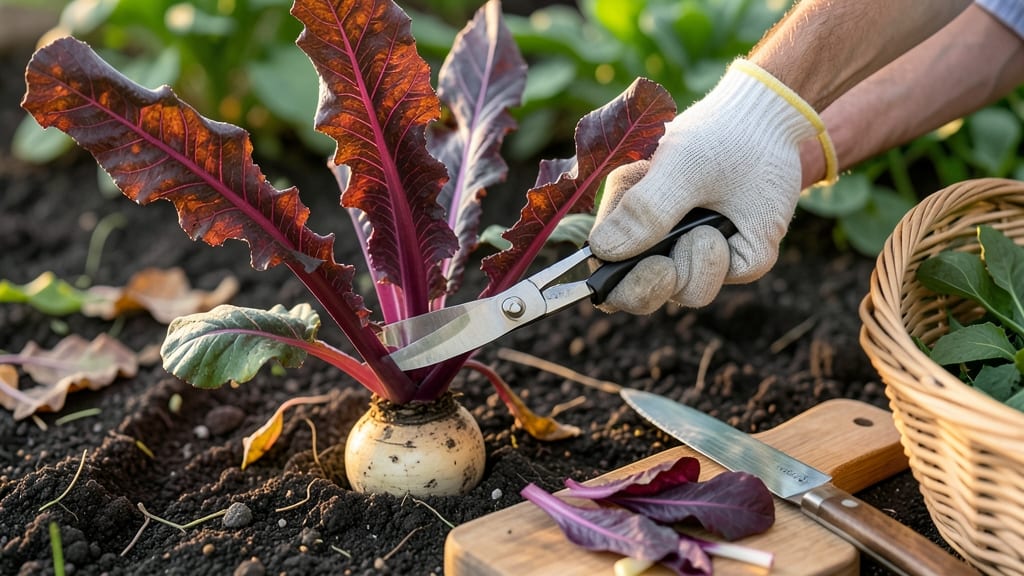
Harvesting chicory at the right time unlocks its boldest, most flavorful leaves—before they turn tough or bitter.
Picture this: you’ve nurtured your 🌱 chicory all season, and now it’s time to pick the perfect moment. Miss it, and you’re left with either bland baby greens or overgrown stalks that fight your knife.
The secret? Watching for those 6-8-inch leaves with just the right crispness and a hint of bitterness.
Timing matters more than you think—spring harvests in April-May and fall harvests in October-November give you two chances a year to enjoy peak flavor. But how do you know when those leaves are ready?
It’s all in the details: leaf size, stem firmness, and even the time of day you cut.
In this guide, I’ll walk you through the exact leaf-by-leaf ripeness test, seasonal timing tricks, and how to keep your chicory producing for weeks after the first harvest. No more guesswork—just bold, delicious greens every time.
Leaf-by-leaf ripeness test: how to spot perfectly harvestable chicory
Harvesting chicory at the right moment transforms its bold, slightly bitter flavor into a culinary gem. The key lies in examining each leaf individually—young leaves offer tender, mild greens, while mature leaves deliver that signature bitterness.
I’ve learned that timing isn’t just about days since planting but about visual and tactile cues that tell the full harvest story.
Start by checking the leaf size—ideal harvest leaves should reach 6-8 inches long for young greens or larger for more robust flavor. The color gradient is another tell: deep green outer leaves with lighter green inner leaves signal maturity.
When you pinch a leaf and feel a firm stem (not mushy), that’s your green light for harvest.
| Stage | Leaf Size | Color | Stem Firmness | Flavor Profile | Harvest Ready? |
|---|---|---|---|---|---|
| Young Growth | 2-4 inches | Bright green | Soft | Mild, sweet | ❌ No |
| Ideal Harvest | 6-8 inches | Deep green outer, lighter inner | Firm | Bold, slightly bitter | ✅ Yes |
| Over-Mature | 10+ inches | Dull green, wilting edges | Woody | Extremely bitter | ❌ No |
For young chicory leaves, focus on harvesting when plants are 6-8 weeks old and leaves are 6-8 inches tall. These leaves are perfect for salads or sautéing—they’re tender and packed with nutrients.
I always cut the outer leaves first to encourage new growth from the center, giving me a steady supply all season.
When chicory starts to bolt (send up a tall flower stalk), the leaves become tough and overly bitter. This is actually the signal to harvest the roots if you’re growing chicory for coffee substitutes or roasting.
But for leaf harvests, you’ll want to stop cutting when you see the first yellow flowers appearing—the flavor shifts dramatically at this stage.
Morning is the best time to harvest chicory leaves because the flavor compounds are most concentrated after a night’s rest. Avoid harvesting after heavy rain, as the leaves can become waterlogged and lose their crisp texture.
I’ve found that using clean, sharp pruning shears or a knife just above a leaf node minimizes damage to the plant and encourages faster regrowth.
Don’t overlook the leaf texture—run your fingers along the edges. Perfectly ripe chicory leaves should feel smooth and slightly waxy, not rough or dry.
If the edges are curling or the leaves feel leathery, it’s a sign the plant is stressed, likely from heat or drought, and the flavor will suffer.
Pro tip: Taste test a small leaf before full harvest. The ideal chicory leaf should have a balanced bitterness—not too mild (underripe) and not overly harsh (overripe). This simple test saves you from harvesting at the wrong stage.
I keep a small notebook to track my plants’ progress and note when they hit that sweet spot.
Seasonal timing matters too. In spring plantings, chicory is ready for harvest 60-75 days after sowing, while fall plantings may take slightly longer due to cooler temperatures. Always adjust for your local climate—chicory grown in USDA Zone 6a might need extra weeks compared to warmer regions.
After harvesting, store chicory leaves in the fridge for up to 5 days in a plastic bag with a paper towel to absorb moisture. For long-term storage, blanch and freeze the leaves—this preserves their vibrant color and flavor.
I’ve also had success drying chicory leaves for tea blends, but the texture changes significantly, so it’s best for specific culinary uses.
Mastering the leaf-by-leaf ripeness test turns chicory from a simple garden green into a flavor powerhouse. Pay attention to those subtle cues, and you’ll enjoy the perfect balance of tenderness and bitterness in every harvest. Happy harvesting! 🌿
Best harvesting techniques to preserve chicory’s bold flavor
Harvesting chicory at the right time ensures those signature bold, slightly bitter notes stay vibrant. The key lies in cutting techniques and timing—harvesting in the cool morning hours preserves flavor and crispness. Avoid afternoon heat, which can make leaves wilt or develop unwanted bitterness.
Use a sharp pair of pruning shears or clean scissors to snip leaves just above a leaf node. This encourages regrowth while keeping the plant healthy. For continuous harvests, focus on the outer leaves first, allowing inner leaves to mature for future cuts.
⚠️ callout tip ⚠️
- Leaf height: 6-8 inches tall
- Leaf size: Outer leaves 4-6 inches wide
- Time of day: Early morning (before 10 AM)
- Avoid: Overly mature leaves (tough, bitter)
After harvesting, handle chicory with care to maintain its peak freshness. Rinse leaves gently under cool water to remove dirt, then pat dry with a clean towel.
Store in a perforated plastic bag in the fridge for up to 5-7 days, or wrap in a damp paper towel for longer storage.
To encourage regrowth and multiple harvests, fertilize lightly with a balanced 5-10-10 mix after each cutting. Chicory thrives in full sun and well-drained soil, so ensure it gets at least 6 hours of sunlight daily to stay productive.
If you allow chicory to bolt and flower, the roots develop a deeper bitterness—ideal for roasting or coffee substitutes. For leaf harvests, though, always cut before bolting to keep flavors mild and tender. This method ensures your garden stays productive all season long.
Remember, the earlier you harvest, the milder and sweeter the flavor. Don’t wait until leaves turn tough or yellow—this is your cue to act fast and savor that perfect chicory bite! 🌿