
How To
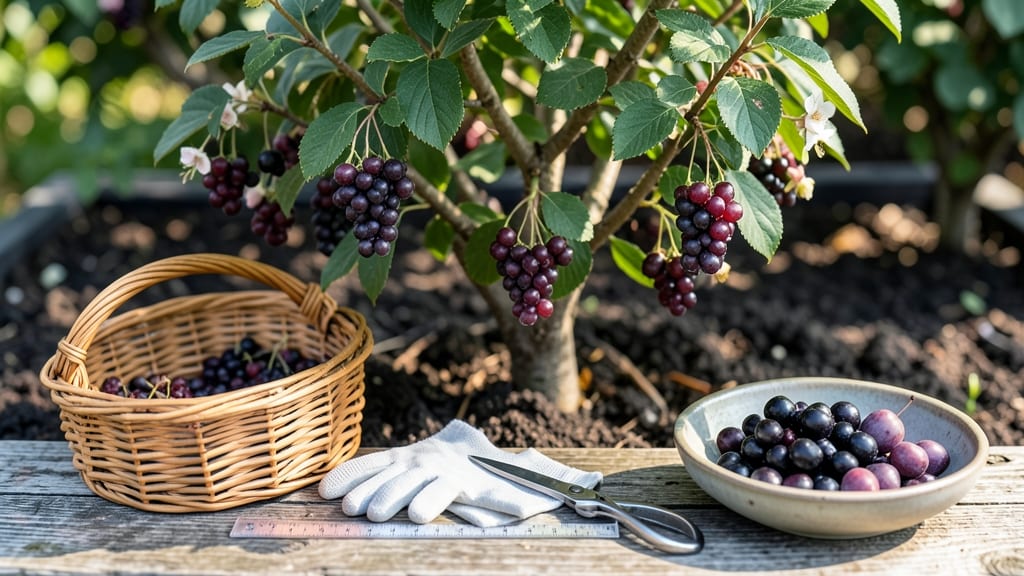
Harvesting aronia berries at the right time ensures their deep purple-black 🫐 color, peak antioxidants, and that perfect balance of tart-sweet flavor you crave.
Picture this: you’ve been waiting all summer, and now your aronia shrubs are heavy with berries. But how do you know when they’re truly ready? Grab one—if it’s deep purple-black, detaches easily, and tastes richly tart, you’ve nailed it.
Too early, and the antioxidants won’t be maximized; too late, and the birds will beat you to them.
Color isn’t the only clue—firmness and a simple tug test matter too. I’ll walk you through the exact signs to look for, plus a little trick using a refractometer to measure sweetness (yes, it’s easier than you think).
By the end, you’ll know not just when to harvest, but how to handle them afterward to keep their nutrients locked in. Let’s make sure your aronia berries shine—literally and nutritionally.
How to identify the perfect aronia berry harvest time using color and firmness
Aronia berries transform from bright green to a stunning deep purple-black when fully ripe, signaling peak flavor and antioxidant levels. This dramatic color shift is your first visual cue that harvest time is near. I've learned that ignoring these color changes can mean sacrificing both taste and nutritional benefits.
Don't rely solely on color—berry firmness is equally important. Overripe aronia berries become mushy and lose their antioxidant potency, while underripe ones remain tart and firm. The ideal berry should yield slightly to gentle pressure, like a ripe plum, indicating perfect ripeness for picking.
| Ripeness Stage | Color Indicator | Firmness Test | Detachment Test | Harvest Window |
|---|---|---|---|---|
| Unripe | Bright green | Very firm | Stems hold tight | Avoid picking |
| Partially Ripe | Green-purple mix | Slightly soft | Resists gentle pull | Wait 1-2 weeks |
| Optimal Ripeness | Deep purple-black | Yields slightly | Detaches easily | Harvest now! |
| Overripe | Dull purple-black | Mushy | Falls off easily | Nutrients decline |
My stem detachment test is a game-changer for determining ripeness. Gently grasp a berry and tug—if it separates cleanly from the stem with minimal resistance, it's ready. This test works best in morning hours when berries are firmest after overnight cooling.
Pay attention to glossy surfaces on ripe aronia berries, which indicate proper hydration and sweetness development. Dull berries may be overripe or suffering from drought stress. I always check for this shiny finish alongside the color and firmness tests for confirmation.
Regional climates affect harvest timing—northern gardeners often see earlier ripening due to cooler temperatures, while southern zones may experience delayed color changes. A light frost can enhance flavor, but avoid harvesting after heavy frost damage to prevent spoilage.
For maximum antioxidant levels, aim to harvest aronia berries when they're 70-80% black in color. This balance ensures both sweetness and nutritional potency. I've found that berries at this stage have the highest anthocyanin content, which gives them their signature deep hue.
Use clean pruning shears to harvest clusters, cutting stems about 1/4 inch above the berry to prevent disease spread. Never pull berries directly from the plant, as this can damage branches and reduce next year's yield.
Store freshly harvested aronia berries in the refrigerator for up to 2 weeks to preserve their vibrant color and antioxidant properties. For longer storage, freeze them on a tray before transferring to bags—this prevents clumping and maintains quality.
If you miss the optimal window, don't panic—underripe berries can still be used in cooking, though their flavor will be less sweet. Overripe berries lose antioxidants quickly, so use them within 3-4 days for jams or juices to avoid waste.
The Brix test method for measuring aronia berry sweetness and nutrient peak
Aronia berries reach their peak antioxidant levels when their sugar content hits the right balance. The Brix test measures this sugar concentration, giving you a precise way to determine when berries are at their most nutritious.
Unlike guessing by color alone, a refractometer provides an exact reading that correlates with flavor and health benefits.
For aronia berries, aim for a Brix reading between 12° and 18°. This range ensures both sweetness and maximum antioxidant potency. Lower readings mean underripe fruit, while higher numbers can indicate overripeness, which may reduce some nutrient levels.
Testing a few berries from different branches gives you a full picture of your harvest's readiness.
To perform the test, crush a few berries into a small dish and place a drop of the juice on the refractometer's prism. Close the cover and hold it up to a light source.
The scale will show the Brix percentage, which indicates sugar content and potential sweetness. Repeat with 3-5 berries for consistency.
Higher Brix levels don’t always mean better berries—overripe aronia can become mushy and lose some of their anthocyanin antioxidants. Aim for the 12-18° Brix sweet spot where flavor and nutrition align perfectly. If readings are too low, wait a few days and test again before harvesting.
For best results, harvest aronia berries in the morning after a light frost, as this enhances sugar concentration naturally. Store harvested berries in the fridge for up to 2 weeks or freeze them immediately to preserve their Brix-tested sweetness and nutrient profile.
Using a refractometer transforms guesswork into precision. With this tool, you’ll know exactly when your aronia berries hit their sweetness and antioxidant peak, ensuring every harvest delivers maximum flavor and health benefits. 🌱