
Pests and Diseases
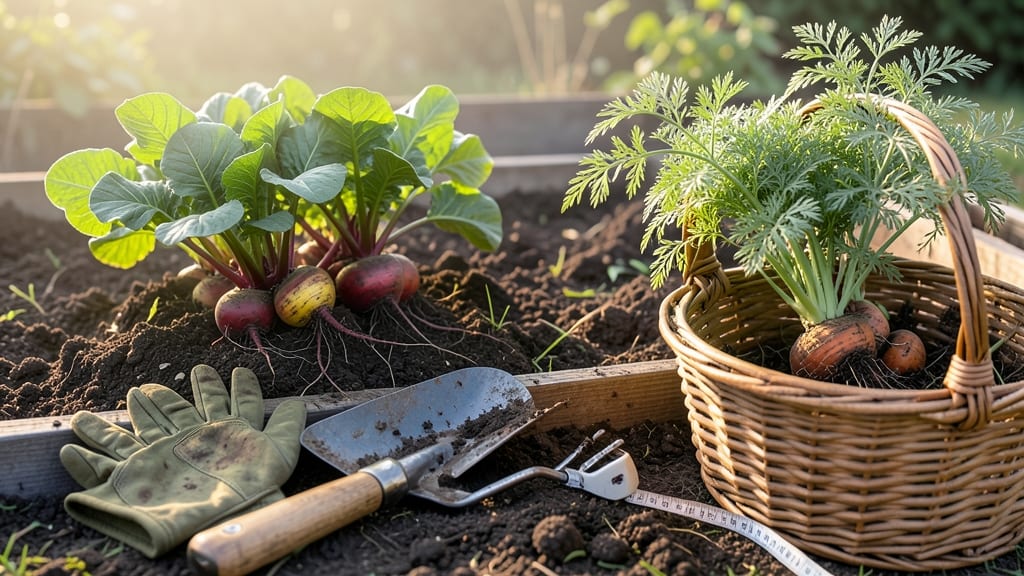
Harvesting beets and carrots at the right time means the difference between a meal of tough, woody roots and a burst of sweet, tender flavor that makes your garden worth the effort.
If you’ve ever pulled a carrot only to find it shriveled or a beet that’s still pale and mealy, you know how frustrating it can be. The key is timing—both the season and the soil’s readiness to release your veggies.
Beets and carrots don’t follow the same schedule, and waiting too long can turn their texture from perfect to stringy. Below, I’ll walk you through the soil resistance test, seasonal cues, and the best times to harvest for maximum sweetness and storage life.
You’ll also learn how to spot overripe roots before they ruin your dish and how to store them properly so they stay fresh for weeks. Let’s get those 🥕 and beets out of the ground when they’re at their peak!
How to test soil resistance for perfectly sweet beets and carrots
One of the most reliable ways to determine when beets and carrots are ready for harvest is the soil resistance test. This simple method helps you gauge root development without digging up every plant.
The key is understanding how finger pressure correlates with root maturity—too firm means they need more time, while too loose suggests they've overgrown.
The soil resistance test works best when your plants have reached their minimum recommended size for the variety. For example, baby carrots should be about 1-2 inches in diameter, while full-sized varieties like Nantes or Detroit Dark Red should be closer to 3-4 inches.
Beets like Golden or Chioggia should be 1-2 inches across for peak sweetness.
Step 1: Choose a Sunny Day
Select a dry, sunny afternoon when the soil is slightly warm. This makes it easier to feel subtle differences in resistance.
Step 2: Locate the Root
Gently brush away soil around the plant's base to expose the top 1-2 inches of the root. Avoid disturbing the entire plant.
Step 3: Apply Finger Pressure
Press your finger or thumb firmly but gently against the exposed root. Note how much resistance you feel:
- Very Firm: Root needs 1-2 more weeks
- Moderate Resistance: Ready to harvest
- Loose/Spongey: Overgrown; harvest immediately
Step 4: Compare with Visual Cues
Cross-check with color and size. For carrots, look for a deep orange or purple hue. For beets, the shoulders should be fully rounded and vibrant.
Step 5: Harvest with Care
Use a fork or hands to loosen soil around the root. Grip the leafy tops firmly and pull upward. Twist slightly if resistance persists.
For carrots, the soil resistance test is especially useful because their root shape can be hard to judge visually. If the soil feels too loose, the roots may have split or become woody.
Similarly, beets that feel overly firm often develop a tough texture, while those that are too soft may have absorbed too much water and become watery.
Timing is critical for flavor development. Beets and carrots become sweeter as they mature, but only up to a point. Once they exceed their optimal size, their texture deteriorates, and their flavor can turn bitter.
The soil resistance test helps you avoid this pitfall by giving you a tactile confirmation of readiness.
Pro tip: If you're growing multiple varieties, keep a harvest journal. Note the days to maturity for each type and adjust your soil resistance tests accordingly. For example, baby carrots may be ready in 50 days, while full-sized varieties take 70-80 days.
Beets like Babybeat mature in 40 days, while Bull's Blood need 60 days.
Remember, the soil resistance test is just one tool in your harvesting toolkit. Always combine it with visual inspection and seasonal timing for the best results. For instance, in hot climates, roots may mature faster, while cool seasons slow down growth. Adjust your expectations accordingly.
Once you've mastered the soil resistance test, you'll never guess when to harvest again. Your garden will yield sweeter, more tender roots with minimal effort. Plus, you'll reduce waste by avoiding overgrown or underdeveloped produce. Happy harvesting!
Best time of year to harvest beets vs. carrots (climate-specific guide)
Timing your harvest for beets and carrots depends on your USDA growing zone and seasonal shifts. Beets mature faster—typically in 50-70 days—while carrots need 60-80 days to reach peak sweetness. In cool climates (Zones 1-5), aim for spring or fall harvests to avoid bolt-resistant heat stress.
Warmer zones (Zones 6-10) can extend harvests into early winter, but watch for first-frost dates. Beets tolerate light frost better than carrots, which become woody and bitter when exposed to temperatures below 32°F (0°C). Adjust planting times to ensure harvests align with your local frost-free window.
| Plant | Best Harvest Window | Frost Sensitivity | Zone-Specific Tip |
|---|---|---|---|
| Beets | Late spring to early fall | Tolerates light frost | Zones 1-5: Harvest before soil freezes; Zones 6-10: Extend into winter with mulch |
| Carrots | Summer to early fall | Bitter with frost | Zones 1-5: Harvest before first frost; Zones 6-10: Use row covers for late harvests |
| Both | Adjust for soil temps | Optimal at 60-70°F | Test soil resistance weekly for peak sweetness |
For early harvests, plant beets in late winter (Zones 6-10) or early spring (Zones 1-5) for baby greens and small roots. Carrots thrive with consistent soil moisture—dry spells cause forked roots, delaying harvests. In hot climates, use shade cloth to prevent bolting.
Late-season adjustments are key: Succession plant beets every 2-3 weeks for continuous harvests, while carrots benefit from fall planting in cooler zones. Always check root size and color depth—beets should be 1-2 inches wide with vibrant hues, and carrots should match their variety’s mature color.
Protect your harvests with row covers in fall to extend the season. Beets stored in cool, dark conditions last 2-3 weeks, while carrots keep for 3-4 weeks when cured and refrigerated. Don’t wait too long—overgrown roots lose sweetness and texture.
In Zone 10, you can harvest year-round with seasonal adjustments. Use drip irrigation to maintain moisture and mulch heavily to regulate soil temps. For high-altitude gardens, extend growing seasons with cold frames or greenhouses.
🌱 Remember: Soil temperature matters more than air temperature. Use a soil thermometer to ensure roots develop properly—ideal temps for both are 60-70°F (15-21°C). Happy harvesting!