
Vegetables
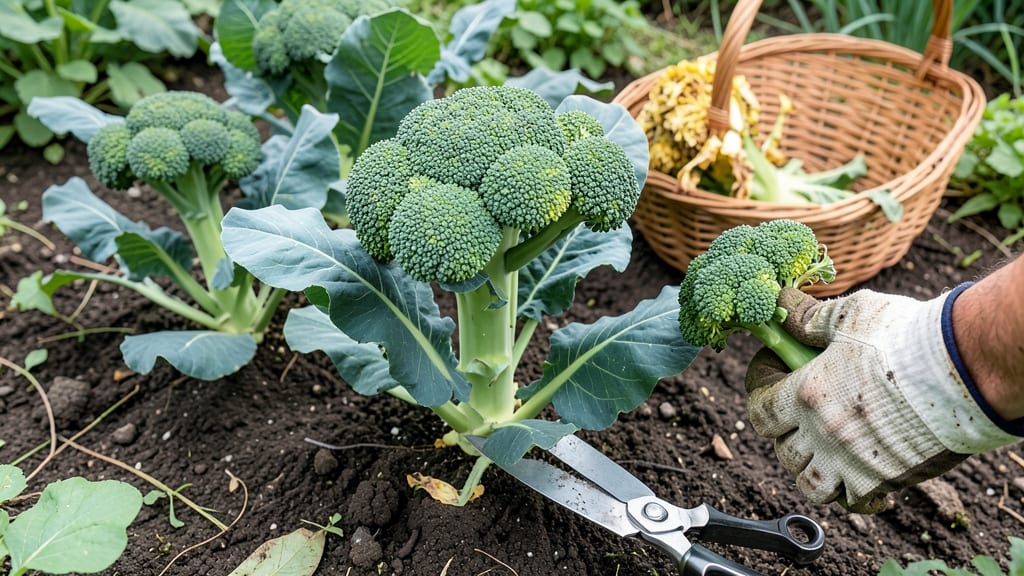
Harvesting broccoli at the right time means the difference between a bitter, tough side dish and a sweet, tender crown that steals the meal. But how do you know when those vibrant green florets are finally ready?
The answer lies in three key signs—each one a clue that your 🥦 broccoli is primed for peak flavor and texture.
Picture this: you’ve nurtured your broccoli plants for weeks, watching them grow from tiny seedlings into sturdy stalks. Now, the moment of truth arrives—when to cut those luscious heads before they turn bitter or bloom into yellow flowers.
Missing this window means sacrificing flavor and yield, but timing it perfectly rewards you with crisp, nutrient-packed crowns.
In this guide, I’ll walk you through the three visual cues that signal your broccoli is ready for harvest, plus how to avoid common mistakes that can ruin your crop.
Whether you’re a first-time gardener or a seasoned green thumb, these tips will help you maximize your harvest and enjoy broccoli at its best.
You’ll also discover how to harvest without damaging future growth, so you can keep reaping side shoots for weeks. Let’s dive in—your garden’s peak-season broccoli is waiting!
3 Visual signs your broccoli crowns are perfectly ripe
Timing your broccoli harvest is everything—wait too long, and you’ll end up with tough, bitter florets that turn yellow and woody. Harvest too early, and you miss out on the sweet, tender flavor your plants worked so hard to develop.
The key lies in three visual cues that tell you exactly when to pick your broccoli crowns for maximum flavor and texture. These signs are your garden’s way of saying, "I’m ready!"—and ignoring them means sacrificing quality for quantity.
Most home gardeners make the mistake of harvesting based on days since planting alone, but broccoli doesn’t follow a strict calendar. Instead, focus on the plant’s physical maturity—its color, size, and bud tightness.
These three factors work together like a recipe for perfection, and once you learn to read them, you’ll never second-guess your harvest timing again. Let’s break down what to look for so you can enjoy broccoli at its absolute peak.
-
1Head Size: 4-8 inches in diameter
The crown should be fully formed but still compact. Think of it like a closed fist—if you can’t fit your hand inside the florets, it’s not ready. Measure the widest part of the head; anything smaller is premature, and anything larger risks becoming bitter.
-
2Floret Color: Deep, vibrant green
Look for no yellowing at the edges or between florets. A perfectly ripe broccoli head will be uniformly dark green, almost like a jewel. If you see even a hint of yellow or brown, the florets are starting to open and bloom, which means they’ve passed their prime.
-
3Bud Tightness: Florets closed and firm
Gently press the outer florets with your thumb. They should feel firm and tightly packed, almost like a dense cluster. If the florets spread apart easily or the head feels hollow when squeezed, it’s overripe. The goal is to harvest when the buds are still snug but fully developed.
One of the biggest mistakes I see gardeners make is harvesting broccoli based on calendar dates rather than the plant’s actual readiness. For example, you might think, "It’s been 60 days since planting, so it must be ready!" But broccoli’s growth rate depends on temperature, sunlight, and soil conditions.
A plant in cool, cloudy weather might take longer to mature than one basking in full sun and warmth. Always trust the plant’s visual cues over a rigid timeline.
Another common error is waiting until the broccoli head is too large. When florets start to open and yellow, they become tough and bitter—a far cry from the sweet, tender texture you crave. The earlier you harvest within the ideal window, the better the flavor.
Think of it like picking fruit: the sooner you harvest at peak ripeness, the longer you can enjoy it at its best. Once those florets start to bloom, they’ll quickly turn woody and inedible.
If you’re growing multiple broccoli varieties, like both Calabrese and Purple Sprouting, pay attention to their unique maturity signs. For instance, Purple Sprouting broccoli might have a slightly different color profile, with hints of purple or blue in its florets.
Always refer to the seed packet instructions for variety-specific guidance, but the three visual signs I’ve shared will apply universally. The key is to act quickly once you spot these cues—broccoli heads can go from perfect to past-prime in just a few days.
Here’s a quick trick to test readiness: Hold the broccoli head in your hand and give it a gentle squeeze. If it feels dense and heavy for its size, it’s ready. If it feels light or spongy, it’s overripe.
This simple test takes seconds and can save you from harvesting too early or too late. Over time, you’ll develop an instinct for when your broccoli is at its peak, but this physical check is a great way to build confidence, especially for beginners.
Once you’ve mastered these visual signs, you’ll notice another bonus: side shoots! After harvesting the main head, your broccoli plant will often produce smaller secondary florets along its stems. These side shoots follow the same ripening rules—watch for the same size, color, and tightness before harvesting them.
With proper care, a single broccoli plant can give you multiple harvests over several weeks, making your gardening efforts even more rewarding.
Remember, the goal isn’t just to harvest broccoli—it’s to harvest perfect broccoli. By focusing on these three visual signs, you’ll ensure every bite is packed with sweetness and tenderness.
And once you start seeing those vibrant green crowns on your dinner plate, you’ll never want to settle for anything less. Happy harvesting!
🥦
How to harvest broccoli without damaging future growth
Once you’ve spotted those perfectly ripe broccoli crowns, the next challenge is harvesting them without harming your plant’s ability to produce more. The right technique ensures you get tender florets while keeping your broccoli plant healthy for side shoots.
I’ve learned that a sharp cut and proper timing are everything—skipping these steps can leave your plant stressed or even dead.
Using the wrong tools or cutting at the wrong angle can damage the stem, inviting pests and diseases. Even worse, improper harvesting might stunt future growth, leaving you with fewer side shoots.
The good news? With the right approach, you can harvest your main head and still enjoy 3-5 additional side shoots over the next few weeks.
After harvesting, don’t toss those woody stems! They’re perfect for making homemade vegetable broth or composting. If you’re growing broccoli in containers, be extra gentle—these plants are more delicate and need careful handling to avoid root damage.
Pro tip: If your broccoli bolts (sends up a flower stalk), harvest the side shoots quickly before they turn bitter.
Seasonal timing matters too. In hot climates, broccoli may bolt faster, so harvest sooner. In cooler regions, you can wait a few extra days. Always check for tight florets and firm stems—these are your best indicators, regardless of the season.
With these steps, you’ll enjoy multiple harvests per plant and keep your broccoli thriving all season long. Happy harvesting—your garden (and dinner table) will thank you! 🥦