
How To
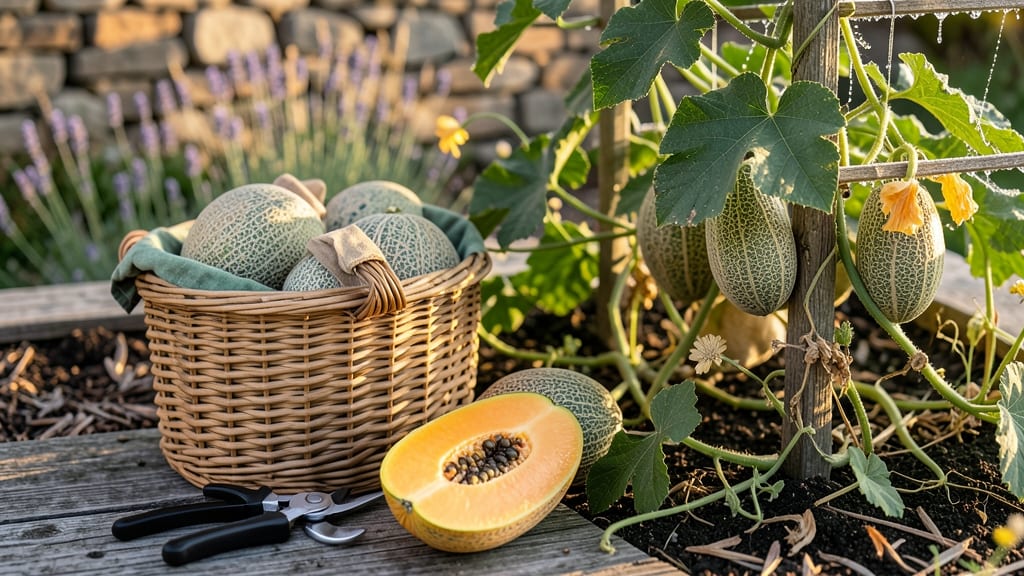
Harvesting cantaloupe at the right time means the difference between a burst of sweet, juicy perfection and a bland, underripe disappointment — and most gardeners miss the easiest clues.
Every year, I’ve watched cantaloupes 🍈 grow heavy on the vine, only to cut them open and find they’re still hard or mealy. The truth? You don’t need a knife to tell when they’re ready — just your eyes, nose, and a little gentle pressure.
From the moment those first blossoms appear to the day you harvest, cantaloupe goes through three key ripening stages, each with telltale signs. Ignore them, and you might end up with fruit that’s too soft, too hard, or just plain flavorless.
In this guide, I’ll walk you through the no-knife signs to spot a perfectly ripe cantaloupe, plus how to adjust for your climate zone and avoid the most common mistakes — so you can enjoy that first sweet bite without the guesswork.


3 No-knife signs your cantaloupe is perfectly ripe (with visual guide)
Harvesting cantaloupe at the right moment transforms your garden into a sweet, juicy treasure trove—but one wrong move can turn your hard work into bland, mealy disappointment. The good news? You don’t need a knife or guesswork to tell when your fruit is ready.
Instead, focus on three visual and sensory cues that reveal ripeness without cutting into your harvest. These signs work for both vined cantaloupes and bush varieties, making them universal for every gardener.
Many gardeners make the mistake of harvesting too early because they overlook subtle changes in the fruit’s stem end or rind texture. Others wait too long, letting cantaloupes overripen and become mushy.
The key is learning to read these three no-knife ripeness indicators before they become too obvious (or too late). Let’s break down what to look for—and what to avoid—so you never miss the perfect moment again.
🍈 3 No-Knife Signs of Perfectly Ripe Cantaloupe
-
1. The Vine Slip Test
Gently press upward near the fruit’s stem. If it detaches easily with slight resistance (like a ripe avocado), it’s ready. If it stays firmly attached, wait 2–3 days. -
2. Creamy Yellow Rind
Look for a dull, creamy yellow or tan color on the blossom end (stem side). Avoid bright green or white patches—these mean it’s not ripe yet. -
3. Sweet Aroma at the Stem
Sniff the stem end—if it smells intensely sweet (like honey or cantaloupe), it’s ready. A neutral or grassy scent means it needs more time on the vine.
💡 Pro Tip: Combine all three signs for 100% accuracy. One clue alone (like color) isn’t enough!
The vine slip test is your most reliable trick because cantaloupes naturally separate from the vine when fully ripe. This happens due to a natural enzymatic change in the stem that weakens its grip.
If you’re growing cantaloupes on trellises or cages, this test works the same—just press gently near the fruit’s attachment point. Resist the urge to twist or pull hard; you might damage the vine or the fruit.
Color is often the first clue gardeners check, but misinterpreting the rind leads to the most common mistakes. A bright green cantaloupe is always underripe, while a fully yellow or tan rind (especially on the blossom end) signals readiness.
Pay close attention to the net pattern on the rind—it should be dull, not shiny. Shiny or waxy skin means the fruit hasn’t fully matured.
Your nose is your secret weapon for nailing cantaloupe ripeness. A ripe cantaloupe releases a powerful, sweet scent from its stem end—so strong you’ll smell it from a few feet away.
If you’re unsure, rub the blossom end between your fingers; ripe cantaloupes often leave a slightly sticky residue. Skip the knife and trust your senses instead of guessing.
Here’s what not to do: Harvest based on fruit size alone. Cantaloupes can grow to full size while still tasting bland and seedy. Similarly, don’t wait until the vine dies back—by then, your cantaloupe may be overripe and prone to spoilage.
The 3-sign rule (slip, color, scent) ensures you pick at peak sweetness, not too early or too late.
If you’re growing cantaloupes in containers or short-season climates, these signs still apply, but timing becomes even more critical. Container-grown cantaloupes may ripen slightly faster due to warmer root zones, so check for readiness every 2–3 days once the fruit starts changing color.
In cooler climates (like USDA Zone 5 or 6), cantaloupes may take 10–14 days longer to ripen, so monitor closely.
One final tip: Harvest in the morning when temperatures are coolest. This preserves the fruit’s flavor and texture longer. Use a sharp knife or pruners to cut the stem, leaving a 1-inch stem attachment to protect the fruit during storage.
Now you’re ready to enjoy cantaloupe at its sweetest—or share the bounty with neighbors! 🍈
Cantaloupe ripening stages: what to expect from flowering to harvest
Understanding cantaloupe ripening stages transforms guesswork into confident harvests. From the first male and female flowers appearing to the vine slip that signals readiness, each phase reveals clues about your fruit's progress.
I’ve watched cantaloupes 🍈 go from tiny blossoms to full-size melons in just 60-90 days, but the real magic happens in those final weeks when environmental factors like heat waves or humidity shifts can speed up or slow down ripening.
After pollination, your cantaloupe enters a 30-day growth spurt where the fruit swells rapidly. During this time, consistent soil moisture and full sun exposure (6+ hours daily) are critical.
I once grew cantaloupes in a hot, dry climate where they ripened in just 65 days, while cooler zones took nearly 90 days. The key is monitoring these stages closely to avoid missing the perfect harvest window.
| Stage | Key Characteristics | Days After Flowering | Environmental Impact |
|---|---|---|---|
| Pollination & Fruit Set | Small fruit forms, greenish rind, stem still attached | 0-14 days | Cooler temps slow growth; humidity >70% increases blossom drop |
| Rapid Growth Phase | Fruit doubles size, net pattern appears, slight sweet scent | 15-45 days | Heat waves accelerate growth; drought stress causes cracking |
| Ripening & Vine Slip | Creamy yellow rind, stem dries, slips easily, strong sweet aroma | 45-90 days | High humidity speeds ripening; soil nutrients affect sweetness |
The rapid growth phase (days 15-45) is where most gardeners lose track. I’ve seen cantaloupes grow from the size of a golf ball to a full melon in just two weeks during peak summer heat.
During this time, I monitor for cracking (a sign of uneven watering) and powdery mildew (common in humid climates). If your cantaloupes start developing a white film, prune lower leaves for better air circulation and consider a fungicide spray.
As your cantaloupe approaches maturity, the vine slip becomes the most reliable indicator. Gently grasp the fruit near the stem—if it detaches with slight pressure, it’s ready. I test this every morning during the last week of growth, as overnight temperatures can affect firmness.
In cooler climates (USDA Zone 5), this might happen in late August, while hotter zones (Zone 9) can see ripe cantaloupes as early as June.
Don’t overlook the stem end—this is where cantaloupes reveal their sweetness secrets. A ripe melon will have a dry, papery texture and a sweet, musky aroma. I once harvested a cantaloupe that smelled like perfume and was the sweetest I’d ever tasted!
If the stem end is still green or moist, give it another 3-5 days of ripening on the vine. Overripe cantaloupes lose sweetness quickly, so timing is everything.
Environmental factors play a huge role in ripening speed. In arid climates, cantaloupes may ripen faster but can develop hard, fibrous flesh if not watered consistently. Meanwhile, humid regions often see slower ripening but juicier fruit.
To adjust, I’ve found that mulching helps retain moisture in dry areas, while shade cloth can prevent sunburn in hot climates. Pay attention to your local microclimate—a north-facing vine might ripen weeks later than one in full sun.