
Picking
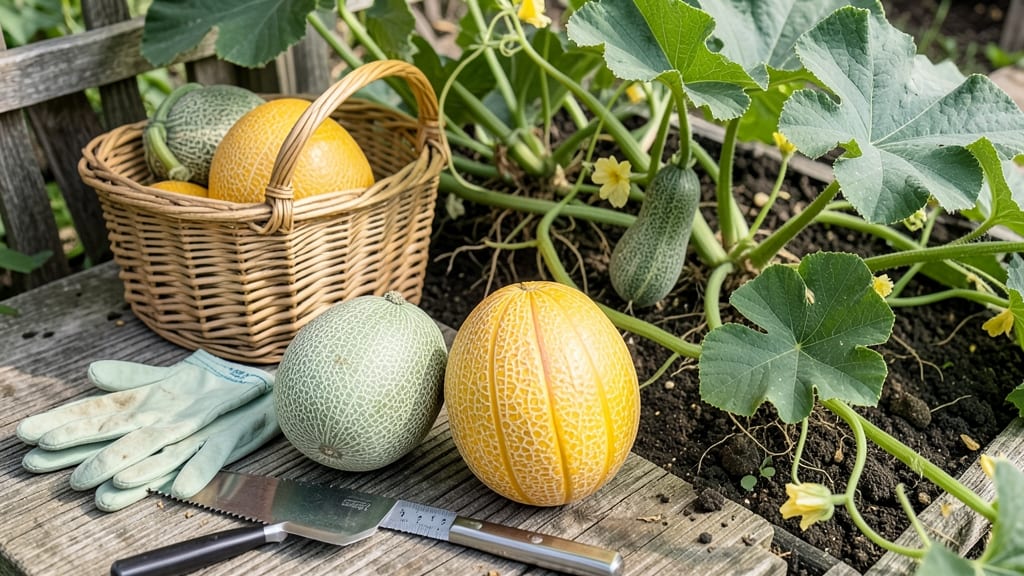
Harvesting cantaloupe from your garden at the right time means the difference between sweet, juicy slices and bland, seedy disappointments.
Picture this: you’ve waited months for your 🍈 vines to produce, only to pick a melon that’s either rock-hard or mushy. But with just three simple tactile tests, you can nail the perfect moment—no guesswork needed.
Why does timing matter so much? Because cantaloupes don’t ripen after picking, and harvesting too early or too late ruins the flavor. The key is knowing when the stem slips, the rind softens just right, and that unmistakable sweet scent fills the air.
In this guide, I’ll walk you through the exact cues—plus regional tweaks and post-harvest care—to ensure every melon you pull from the vine is a winner.


3 Tactile tests to determine cantaloupe ripeness before harvesting
There’s nothing worse than slicing into a cantaloupe only to find it’s either rock-hard or mushy. The good news? You don’t need a degree in horticulture to nail the perfect harvest.
These three tactile tests—backed by plant physiology—will tell you exactly when your cantaloupe is ready to pick. The best part? No cutting required!
Cantaloupes rely on ethylene gas for ripening, which triggers changes in texture, scent, and even the stem’s grip. By paying attention to these physical cues, you’ll avoid the common mistakes of harvesting too early (seedy, bland fruit) or too late (overripe, mealy flesh).
Let’s dive into the science behind each test.
- 1 The Stem Slip Test: Gently grasp the fruit stem near the cantaloupe. If it slips off with light pressure (like a ripe avocado), it’s ready. If it resists, wait 2-3 days.
- 2 The Thump Test: Tap the melon’s blossom end (opposite the stem). A deep, hollow sound means it’s ripe. A dull thud? It needs more time.
- 3 Blossom-End Color: Check the bottom of the fruit. A creamy tan or yellow hue signals ripeness. If it’s still white or green, it’s not ready.
Pro tip: Combine these tests for accuracy. For example, a cantaloupe might pass the thump test but fail the stem slip test—this usually means it’s overripe. Always prioritize the stem slip as your final judge.
Temperature plays a role too. In hot climates (Zones 8-10), cantaloupes ripen faster, so check daily. In cooler zones (Zones 4-7), extend your testing window by 3-5 days. The key is consistency—don’t rush it!
Once you’ve confirmed ripeness, harvest by twisting the stem gently. Leave a 1-inch stem attached to preserve shelf life. Store ripe cantaloupes at room temperature for 3-5 days or refrigerate to extend freshness up to 2 weeks.
Overripe cantaloupes lose their sweetness and develop a fermented smell. If you miss the window, use them in smoothies or sauces before they spoil. But with these tests, you’ll never guess again—just harvest with confidence!
Why does the stem slip test work? As ethylene builds, the cell walls weaken, causing the stem to detach easily. It’s nature’s way of telling you, “I’m ready!” 🍈
How to check cantaloupe ripeness without cutting it open
Nothing beats the excitement of harvesting your own cantaloupe—until you slice into one that’s either rock-hard or mushy. The key to perfect cantaloupe lies in three simple non-invasive tests that reveal ripeness without damaging the fruit.
These methods rely on visual cues, scent, and texture to ensure you pick melons at their sweetest peak.
First, inspect the blossom end (the side that sat on the vine). A ripe cantaloupe will show a creamy yellow or tan color with a slight net-like pattern that’s more pronounced.
This is nature’s way of signaling sweetness. If the blossom end still looks greenish or dull, the fruit needs more time on the vine.
Next, give the cantaloupe a gentle sniff near the blossom end. A ripe cantaloupe emits a strong, sweet, musky aroma—almost like a mix of honey and cucumber.
If you detect no scent or a fermented smell, the melon is either underripe or overripe. This scent test is your secret weapon for avoiding bland fruit.
Cantaloupe doesn’t continue ripening after harvest like some fruits. If you miss the sweet scent and creamy color, the melon will quickly turn overripe, mealy, and seedy.
Overripe cantaloupe also develops a fermented smell and soft spots—a clear sign it’s past its prime. Harvest within 24 hours of detecting these ripe cues to enjoy peak flavor!
For the ultimate test, perform the stem slip test. Grasp the stem near the fruit and give it a firm but gentle twist. If the stem slips off easily (with just a little resistance), the cantaloupe is ripe.
If it resists or snaps, the fruit needs more time. This test works because ripe cantaloupes naturally detach from the vine as they mature.
Finally, try the thump test—tap the melon lightly with your knuckles. A ripe cantaloupe will sound hollow when tapped near the blossom end. If it sounds dull or solid, it’s underripe.
Pro tip: Combine this test with the others for 100% accuracy. A melon that passes all three tests is guaranteed to be sweet, juicy, and perfect for eating or preserving.
Remember, cantaloupe ripens best on the vine, so avoid harvesting early just because the fruit looks big. Patience pays off with flavor-packed melons that’ll make your garden the talk of the neighborhood. Happy harvesting!