
How To
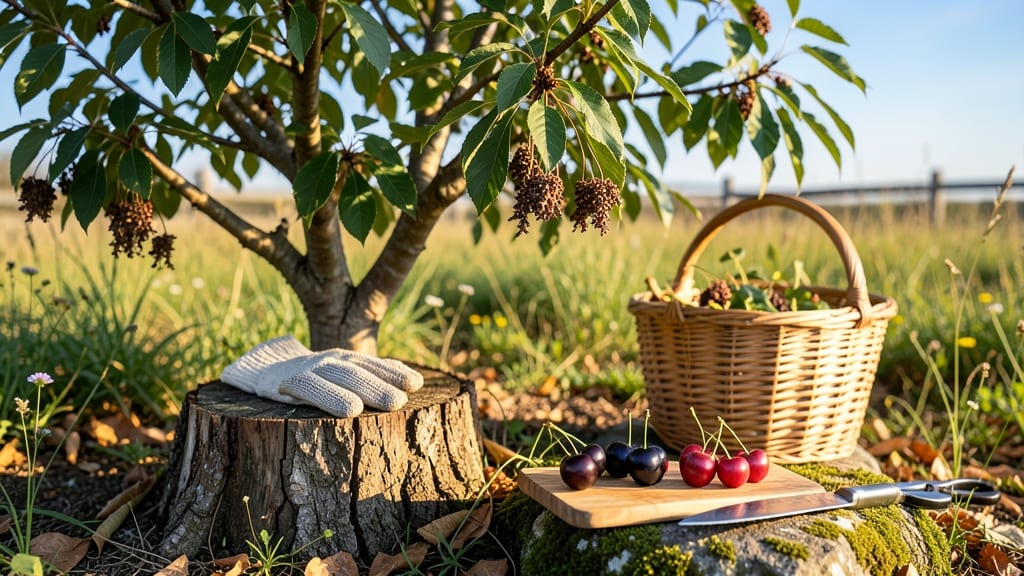
Harvesting chokecherries at the right time means waiting for the berries to turn deep purple and soften just enough to pop with a gentle squeeze 🫐.
Picking too early turns your harvest into a bitter, seedy mess—literally. These berries reveal their readiness through subtle (but critical) color shifts and a simple seed test that takes 30 seconds.
In USDA Zone 6a, where most gardeners grow chokecherries, the window opens in late August and stretches into early September. But regional temperatures and variety types can shift that timeline by two weeks—and missing it means waiting another year.
Below, I’ll walk you through the exact color cues, the seed test, and how to adjust for your local climate so you never miss the perfect moment.
Chokecherry color stages: when berries turn from green to deep purple
Chokecherries (Prunus virginiana) undergo a dramatic color transformation as they ripen, shifting from bright green to reddish-purple and finally to a deep purple-black. This progression isn’t just visually stunning—it’s your best indicator of when to harvest.
Understanding these stages helps you avoid bitter, underripe fruit or overly soft, overripe berries that spoil quickly.
The journey begins in early summer when green berries appear after flowering. At this stage, they’re hard and tart, packed with cyanogenic glycosides that make them inedible. Patience is key, as the berries need 60-90 days to reach full ripeness, depending on your USDA zone and variety.
Here’s the color timeline you should watch for:
The deep purple stage is your sweet spot for harvesting chokecherries. At this point, the berries should be plump and slightly soft when gently squeezed—like a ripe plum. This color signals that the sugars have fully developed while the acidity has mellowed, creating the best balance of flavor.
Regional variations matter! In warmer climates (Zones 7-9), chokecherries may ripen 2-3 weeks earlier than in cooler zones (Zones 3-6). Early varieties like 'Schubert' often turn purple by mid-August, while late varieties like 'Montmorency' may not reach peak color until early September.
Always monitor your specific variety.
Watch for regional color cues too. In northern states, the transition from red to purple happens more gradually due to cooler temperatures. Meanwhile, in southern states, the color shift can occur more abruptly with the intense summer heat.
Keep an eye on your local chokecherry trees—they’ll give you the best clues about timing.
One pro tip: If you see birds flocking to your chokecherry tree, it’s a sure sign the berries are ripe! Birds have a natural instinct for finding the sweetest, most nutritious fruit. However, act quickly—once birds start feeding, your harvest window closes fast.
Don’t wait until the berries turn black or mushy. Overripe chokecherries lose their flavor intensity and become mealy, making them less ideal for jams, juices, or fresh eating. The deep purple stage is your last chance for the best-quality harvest before the berries spoil or attract pests.
For early varieties, start checking color in late July. For late varieties, wait until mid-to-late August. Use a small harvest sample to test ripeness—this prevents you from missing the perfect window or overharvesting too early.
Once you’ve identified the deep purple berries, gather them gently to avoid bruising. Store them in a cool, dark place for up to 2 weeks if you can’t process them immediately. The color shift isn’t just about aesthetics—it’s your guarantee of a delicious, high-quality harvest.
The seed hardness test: how to check ripeness in 30 seconds
When chokecherries turn deep purple, it’s tempting to grab your basket and start picking—but don’t rush! The seed hardness test is your secret weapon for foolproof ripeness. This quick check tells you whether the berries are ready to harvest or still need time on the bush.
Here’s how it works: pick a few ripe-looking berries and gently squeeze them between your thumb and forefinger. If the skin gives slightly and the seed inside feels soft (like a ripe plum pit), your cherries are ready.
If the seed feels hard or crunchy, they need more time on the tree.
⚠️ WARNING: Picking Too Early or Too Late ⚠️
⚠️ Late harvest (overripe berries): Berries squish easily and ferment on the bush, attracting pests like birds and rodents. The flesh turns mealy and unappetizing, ruining your harvest.
✅ Perfect timing: Deep purple berries with soft seeds and slight give when pressed—ready for jams, jellies, or fresh eating.
For the ultimate test, cut open a berry and examine the seed. A ripe chokecherry seed should be light brown and soft—almost like a damp wood chip.
If it’s still dark and hard, wait 3-5 more days before harvesting. This test works even if the berries aren’t perfectly purple yet!
Pro tip: Harvest on a cool morning after any overnight dew has dried. This prevents the berries from bruising or fermenting in your basket. Store them in a paper bag in the fridge for up to 3 days before processing to preserve their flavor and texture.
Remember, chokecherries don’t ripen further after picking—unlike tomatoes or avocados. So if the seeds aren’t soft, leave them on the bush until they pass the test. Patience now means sweeter, more flavorful results later!
Once you master this 30-second test, you’ll never second-guess your chokecherry harvest again. Happy picking—and may your berry bushes be forever generous! 🫐