
How To
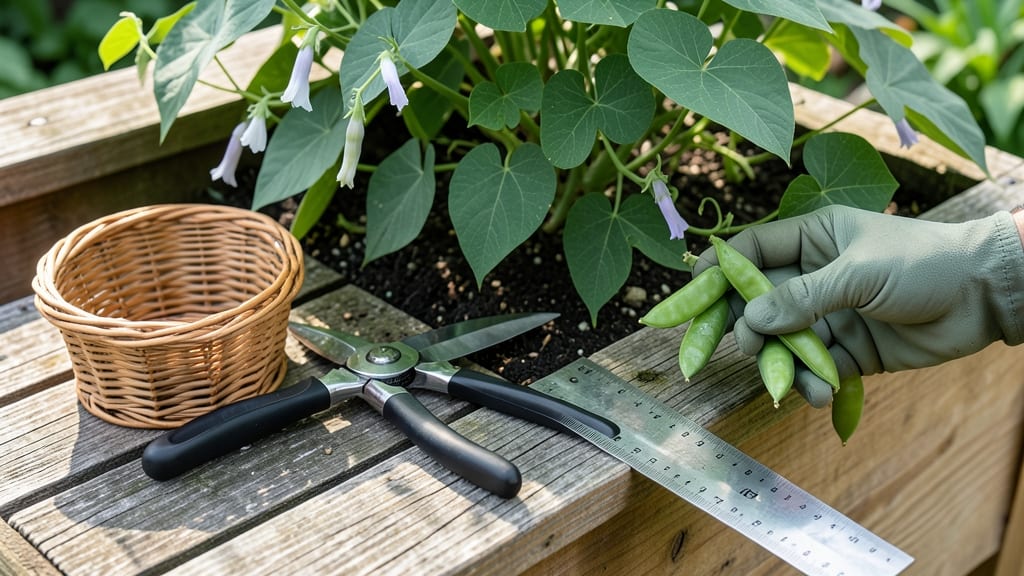
Harvesting edamame beans at the right time means sweet, tender pods packed with flavor—not tough, bitter shells you’ll regret picking too late.
Picture this: you’ve nurtured your 🌱 edamame plants all season, and now the pods are ready—but how do you know for sure? One wrong move, and your harvest turns into a sad, stringy mess.
The good news? There’s a simple trick to nail it every time: the 3 finger-pinch test, which tells you exactly when to snip for peak sweetness.
Timing matters because edamame beans change fast—from crisp and vibrant to woody and dry in just a few days. In Zone 6a, where most home gardeners grow them, the window opens in July and closes by early August.
Miss it, and you’ll be left with empty vines instead of a bountiful harvest.
In this guide, I’ll walk you through the 3 finger-pinch test, plus other foolproof signs (like pod size and color) to ensure you harvest your edamame at the perfect moment—so you can enjoy that buttery, fresh-from-the-vine taste all season long.
How to use the 3 finger-pinch test for perfect edamame harvest timing
Timing your edamame harvest is all about balance—too early, and you’ll miss out on flavor; too late, and your pods turn mealy and bitter. The 3 finger-pinch test is my go-to method for determining the perfect moment to harvest, combining tactile feedback with visual cues.
This simple technique helps you avoid common mistakes like harvesting when seeds inside are already hardening or when pods are still too small. Mastering it ensures you enjoy the sweetest, most tender edamame straight from your garden.
Before you begin, gather a few edamame pods from different parts of your plant. Look for pods that are 2-3 inches long and have a slight bulge—these are your best candidates for testing.
The 3 finger-pinch test works by assessing the pod’s firmness and resistance, which directly correlates with seed development inside. If you’ve ever missed the harvest window, this method will help you nail it every time.
Here’s how to perform the test step-by-step, along with visual and tactile clues to guide you:
The 3 finger-pinch test isn’t just about firmness—it’s also about consistency. Test 3-5 pods from different parts of the plant, as edamame pods mature at slightly different rates. If most pods pass the test, it’s time to harvest.
This method works especially well for bush edamame varieties, which produce pods over a shorter window compared to pole varieties.
Avoid these common mistakes that can ruin your harvest: harvesting when pods are still bright green and hard, waiting until seeds turn brown inside, or picking pods too aggressively, which can damage the plant.
Overripe pods lose their sweetness and become fibrous, while underripe pods lack flavor. The 3 finger-pinch test eliminates guesswork by combining tactile and visual cues into one simple check.
Once you’ve confirmed the pods are ready, harvest them in the early morning when temperatures are cooler. This preserves their freshness and sweetness. Use clean pruning shears or your fingers to snap pods off the stem—avoid tearing the plant.
Harvesting at the right time not only ensures the best flavor but also encourages the plant to produce more pods, extending your harvest window by 1-2 weeks.
If you’re growing multiple edamame varieties, like both early and late-maturing types, use the 3 finger-pinch test to monitor each variety separately. Early varieties may need harvesting every 3-4 days, while later varieties can stretch the window to 5-7 days.
Keep a small notebook nearby to track which pods are ready and when, so you don’t miss the prime harvest window.
Pro tip: If your edamame plants are struggling to produce pods, check their nutrient levels. A balanced 10-10-10 fertilizer applied every 4-6 weeks during the growing season can boost pod production.
Pair this with consistent watering—edamame plants need 1-1.5 inches of water per week, especially during flowering and pod development. Overwatering or underwatering can stress the plant and delay pod maturation.
With practice, the 3 finger-pinch test becomes second nature, and you’ll harvest edamame at its peak every season. The key is to act quickly once pods meet the criteria—don’t wait another day!
Soon, you’ll be enjoying homegrown edamame that’s sweeter and more tender than anything you’ve bought in a store. Happy harvesting! 🌱
Edamame harvest stages: from early to overripe—what to watch for
Understanding edamame harvest stages is key to unlocking the sweetest, most tender pods. Each stage transforms the flavor and texture dramatically—from crisp and mild to tough and bitter. If you miss the window, your hard work could end up as inedible shells.
The good news? With a few simple visual cues, you can tell exactly when to harvest for peak flavor.
Edamame pods go through three distinct stages: early, prime, and overripe. Each stage offers a different eating experience, and knowing the signs helps you decide whether to pick immediately or wait.
For example, pods in the prime stage are plump, vibrant, and packed with buttery flavor, while overripe pods turn dry and woody. Let’s break down what to watch for at each stage.
| Stage | Pod Size | Pod Color | Seed Color | Flavor Profile | Harvest Action |
|---|---|---|---|---|---|
| Early | 1-1.5 inches | Bright green | Tiny, pale green | Mild, slightly grassy | Wait 3-5 days |
| Prime | 2-3 inches | Yellowish-green | Plump, bright green | Sweet, buttery, crisp | Harvest immediately |
| Overripe | 3+ inches | Dull green/brown | Brown, shriveled | Bitter, tough, dry | Discard or compost |
The early stage is all about patience. Pods are small and firm, with seeds barely visible. If you harvest them now, they’ll be underdeveloped and lack flavor. Instead, wait until they reach the prime stage, where pods grow to 2-3 inches and develop a yellowish-green hue.
This is your sweet spot—pods are tender, seeds are plump and bright green, and the flavor is rich and buttery. In Zone 6a, this typically happens in mid-July to early August, but check daily once pods start forming.
Once pods enter the overripe stage, they lose their appeal fast. The pods swell beyond 3 inches, turn dull or brown, and seeds darken into shriveled brown beans. The texture becomes tough and fibrous, and the flavor shifts to bitter.
If you spot these signs, it’s too late for a good harvest—though you can still compost the pods to nourish your soil for next season. Overripe pods won’t improve; they only get worse.
Adjust your harvest frequency based on your edamame variety and plant maturity. Most varieties produce pods over 2-3 weeks, so check plants every 2-3 days during peak season. Early-maturing varieties (like 'Enrei') may finish faster, while late varieties (like 'Black Turtle Soya') can stretch your harvest window.
Always harvest in the morning when pods are cool and crispest—this preserves their sweetness and texture.
Pro tip: If your plants are loaded with pods, consider harvesting every other day to encourage more production. The key is balance—remove too many at once, and the plant may struggle to recover.
But by staying vigilant and watching for those yellowish-green pods with plump seeds, you’ll turn your edamame patch into a flavor-packed harvest every time. 🌱