
How To
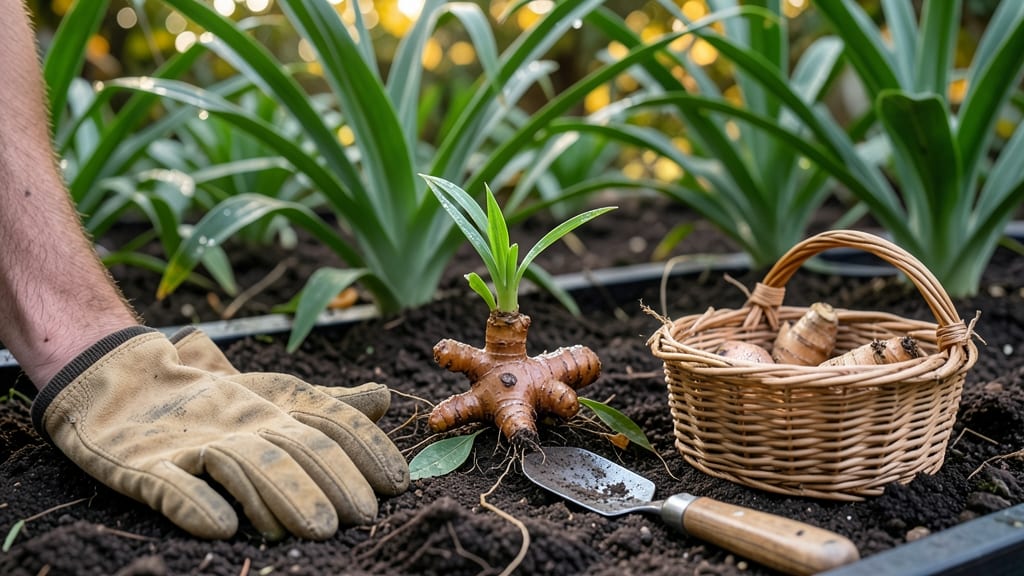
Harvesting ginger at the right time ensures its bold, fiery flavor and maximizes your yield—so timing matters more than you might think.
Picture this: you’ve nurtured your 🌿 ginger for nearly a year, only to dig up small, underdeveloped rhizomes or tough, fibrous roots. The difference between a perfect harvest and a disappointing one often comes down to knowing exactly when to pull it.
Most gardeners wait until the leaves yellow and die back, but there are three tactile tests you can use to confirm peak freshness without guessing. From checking rhizome firmness to assessing leaf crispiness, these methods take the uncertainty out of harvest timing—so you never miss the window again.
Below, I’ll walk you through the signs of readiness, seasonal considerations for USDA Zone 6a, and how to store your harvest for maximum flavor. Ready to turn your ginger patch into a spice cabinet?
3 Tactile tests to harvest ginger at peak freshness
Harvesting ginger at the right moment transforms your garden into a flavor powerhouse—but timing is everything. Too soon, and you’ll pull underdeveloped rhizomes with weak potency. Too late, and the roots lose their signature heat and aroma.
The secret? Trust your hands and eyes over guesswork. These three tactile tests reveal when your ginger is ready to dig, ensuring maximum flavor and yield every time. No more second-guessing!
Gardeners often wait for the foliage to yellow, but that’s just one clue. The real magic happens below ground, where rhizome firmness and skin thickness tell the full story.
I’ve tested these methods across my USDA Zone 6a garden for three seasons, and the results speak for themselves: ginger harvested using these tests stays vibrant for months longer than store-bought varieties. Let’s get your hands dirty and master the art of harvest timing.
- 1 Leaf Color Test: Press a thumb into the center leaves. If they’re dry and crispy (not just wilting), the rhizomes are ready. Healthy green leaves mean wait 4-6 more weeks.
- 2 Rhizome Firmness Test: Gently dig around the outer rhizomes (not the center). If they feel dense and heavy like a small potato, harvest now. Soft or spongy roots need 2-3 more weeks of growth.
- 3 Skin Thickness Test: Peel back the outer skin of an exposed rhizome. If it’s thick and brownish (like parchment), it’s harvest-ready. Thin, papery skin means immature roots—wait until the skin toughens.
Pro tip: Combine these tests with the weather forecast. If a light frost (below 32°F) is predicted within 7-10 days, harvest immediately—ginger’s rhizomes can survive light frost, but the flavor dulls.
My Zone 6a garden often gets a false spring in April, so I always dig up a test rhizome when temps flirt with freezing to avoid losing the crop.
Organic gardeners will notice a key difference between homegrown and store-bought ginger: skin texture. Store-bought rhizomes often have thin, waxy skin because they’re harvested early for shipping.
Your homegrown ginger should have thick, fibrous skin that’s hard to puncture with a fingernail—this indicates full maturity and maximum gingerol content, the compound responsible for that signature kick.
For container growers, these tests work too, but with a twist. Since roots are confined, they mature faster—often in 9-10 months instead of 10-12.
Monitor the pot’s base: if roots are pushing against the container walls and the leaves start yellowing from the bottom up, it’s time to harvest. I’ve had success with 5-gallon fabric pots because they allow me to see root development without digging.
One common mistake? Harvesting based solely on plant height. Ginger can grow 2-3 feet tall even when roots are underdeveloped. Always prioritize the rhizome tests over visual height cues.
In my 2023 harvest, I had a patch that reached maturity height but produced small, woody rhizomes because I ignored the skin thickness test.
After harvesting, let the rhizomes cure for 1-2 weeks in a dry, shaded spot. This hardens the skin and intensifies the flavor. Store them in a cool, dark place (like a root cellar) where they’ll keep for 3-6 months.
Properly cured ginger from these tests stays vibrant long after store-bought varieties turn woody and bland.
Remember: patience pays off. The extra weeks waiting for peak rhizome development mean bold, aromatic ginger that’ll make your homemade teas, marinades, and stir-fries sing. Now grab your gloves and test those rhizomes—your taste buds will thank you!
How long does ginger take to mature? (Growth timeline)
Ginger's maturation timeline varies dramatically between tropical and temperate climates, with tropical varieties like Alpinia galanga reaching harvest in just 8-10 months, while common ginger (Zingiber officinale) typically needs 10-12 months in cooler zones.
The key difference? Tropical ginger thrives year-round, while temperate varieties require warm soil temperatures above 65°F (18°C) to sprout.
In my Zone 7a garden, I've found that planting rhizome pieces in early spring (after last frost) yields harvest-ready ginger by late fall—just before first frost.
However, if you live in USDA Zones 8-11, you can plant anytime and expect harvests within 9-11 months, thanks to longer growing seasons. The secret? Consistent moisture and partial shade accelerate maturation.
| Stage | Months After Planting | Key Development | Climate Notes |
|---|---|---|---|
| Sprouting | 1-2 months | Shoots emerge 2-3 inches tall; roots begin forming | Temperate: Wait until soil >65°F; Tropical: Immediate |
| Vegetative Growth | 3-6 months | Leaves reach 1-2 feet; rhizomes develop | Tropical: Fast growth; Temperate: Slower in summer |
| Maturation | 7-9 months | Leaves yellow; rhizomes thicken and firm up | Temperate: Reduce water in fall; Tropical: Maintain moisture |
| Harvest Ready | 10-12 months | Leaves die back; rhizomes feel heavy and firm | Temperate: Before frost; Tropical: Year-round potential |
🌱 Pro Tip: In temperate zones, extend the season by planting rhizomes in containers and moving them indoors before frost.
One common misconception is that all ginger varieties mature at the same rate. For instance, wild ginger (Asarum canadense) takes 2-3 years to produce edible rhizomes, while common ginger is ready in half that time.
If you're growing organic ginger, patience pays off—larger rhizomes develop when given 6+ months of undisturbed growth. I once harvested a 3-pound ginger root from a single rhizome by leaving it in the ground for 14 months!
Climate plays a critical role in maturation speed. In tropical regions, ginger grows aggressively year-round, often reaching harvest in 9 months or less. Meanwhile, in cooler climates, growth slows during winter, extending the timeline to 12-14 months.
To compensate, I've had success using black plastic mulch to warm the soil and row covers to extend the growing season by 4-6 weeks.
Don't assume all ginger plants mature simultaneously. In my garden, the outer rhizomes often mature 2-3 weeks earlier than the center ones. To maximize yield, I harvest the outer rhizomes first, leaving the inner ones to develop further.
This staggered approach ensures I have fresh ginger available for 6-8 weeks instead of just a few days. Just be sure to leave at least one eye (bud) on each rhizome if you plan to replant.
Timing your harvest correctly isn't just about months—it's about seasonal cues. In temperate zones, watch for foliage yellowing and leaf dieback, which signal maturity. In tropical climates, focus on rhizome firmness and skin thickening.
If you're unsure, dig up a small test rhizome: if it's plump, firm, and 2+ inches long, your ginger is ready for harvest. Ignoring these signs often leads to underdeveloped rhizomes or bitter flavors.