
Flowers
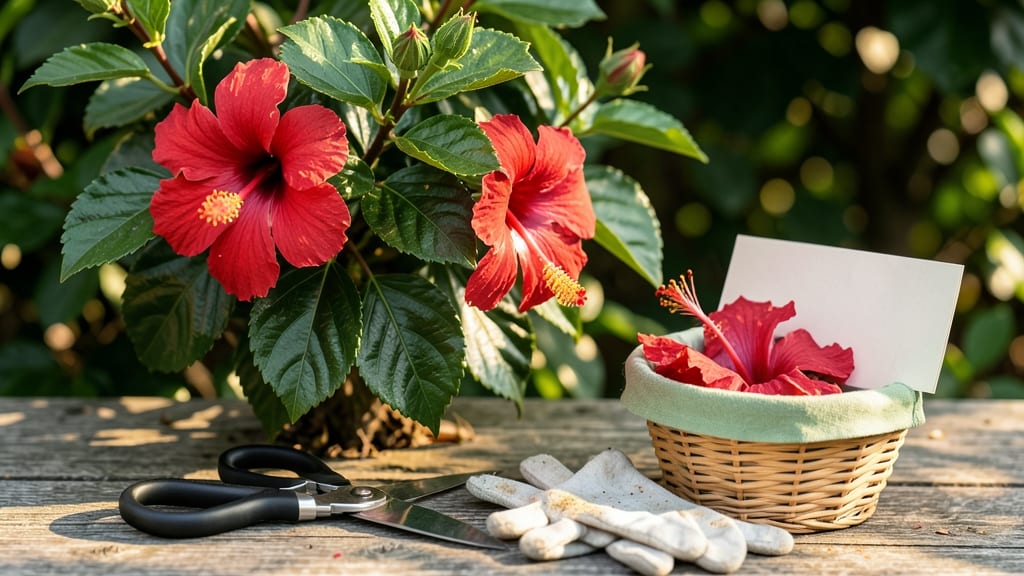
Harvest hibiscus flowers for tea when their petals fully unfurl and shift to a deep, vibrant color—typically late summer to early fall in Zone 6a, just as they peak in tartness and antioxidants.
Picture this: you’ve spent months nurturing your 🌸 hibiscus plants, only to pluck flowers too early and end up with a weak, bitter brew. That’s why timing matters—harvesting at the wrong stage can ruin the flavor before you even steep it.
Below, I’ll show you how to spot the perfect moment by checking petal firmness, color depth, and even a quick taste test. You’ll also learn how to preserve your harvest so every cup tastes fresh, whether you’re drying them for later or brewing immediately.
Ready to turn your garden into a tea stash? Let’s dive into the key tricks that separate good hibiscus tea from great—and how to avoid common mistakes that waste your harvest.
How to identify the perfect hibiscus flower harvest stage by color
Harvesting hibiscus flowers at the wrong stage can completely alter the flavor profile of your tea. The color shift from bud to bloom is your most reliable indicator of when to pick.
For red hibiscus varieties, look for buds that transition from pink to deep crimson—this signals peak tartness and antioxidant levels. The ideal harvest window occurs when flowers are fully unfurled but haven't begun wilting, typically 2-3 days after full bloom.
For white or yellow hibiscus, focus on petal texture rather than color changes. The petals should feel firm and slightly crisp when gently pressed, with no signs of browning at the edges.
These varieties often lose tartness faster than red ones, so harvest them within 1-2 days of full bloom to preserve their delicate flavor balance.
🌸
| Harvest Stage | Color Indicators | Petal Texture | Flavor Profile | Antioxidant Level |
|---|---|---|---|---|
| Early Bud | Green or pale pink | Tightly closed | Mild, bland | Low |
| Mid-Bloom | Pink to light red | Partially unfurled | Moderate tartness | Medium |
| Optimal Harvest | Deep red (red) / Fully unfurled (white/yellow) | Firm, crisp petals | Peak tartness | Highest |
| Overripe | Dull, fading color | Soft, wilting edges | Bitter, astringent | Declining |
The center of the flower also provides clues—look for a bright yellow or orange stamen that appears plump and moist. A dry or brown stamen indicates the flower is past its prime.
My go-to method is to gently twist the flower between my fingers; if it detaches cleanly with minimal resistance, it's ready for harvest. This technique minimizes damage to the plant while ensuring you get the freshest blooms.
Timing matters just as much as color. Always harvest in the early morning, after dew has evaporated but before midday heat sets in. The cool morning air preserves the flower's essential oils, which directly impact your tea's aroma and flavor.
I've found that flowers harvested at this time retain their bright red hue longer during drying, too.
💧
Different hibiscus varieties reach their peak at slightly different times. Hibiscus sabdariffa, the type most commonly used for tea, typically blooms later in the season than ornamental varieties.
Pay attention to your plant's local climate zone—in USDA Zone 8 or higher, you might see multiple harvest cycles, while cooler zones may only get one optimal window between August and September.
To extend your harvest season, consider planting multiple varieties with staggered bloom times. For example, 'Lord Baltimore' hibiscus blooms earlier than 'Dwarf Red', giving you a 2-3 week extension of fresh flowers.
Just be sure to space them properly—hibiscus plants need at least 3 feet of clearance to avoid crowding, which can stress the plant and reduce flower quality.
🌿
One common mistake is assuming all hibiscus flowers are ready at the same time. In reality, a single plant can have buds at three different stages simultaneously.
Always inspect each flower individually rather than harvesting entire branches at once. This selective harvesting approach ensures you're always getting the best possible flavor from your tea.
Finally, remember that harvesting doesn't harm the plant if done correctly. Hibiscus bushes are heavy producers and will continue blooming throughout the season as long as you remove spent flowers regularly.
In fact, pruning back 1/3 of the plant after your first harvest can stimulate new growth and even increase next year's yield.
Taste test tricks: how to confirm hibiscus flower ripeness before brewing
Your hibiscus flowers might look perfect, but are they truly ready for tea? The best way to know for sure is by combining visual cues with simple sensory tests. Start by gently squeezing a petal—it should feel firm but slightly pliable, like a ripe peach.
Overly soft petals mean the flower is past its prime, while rock-hard petals indicate it hasn’t fully matured yet.
Next, take a deep sniff. A ripe hibiscus flower emits a sweet, earthy aroma with a hint of tartness—think of a mix between cranberry and rose.
If it smells flat or musty, it’s time to skip that bloom. This scent test works best in the morning when essential oils are most concentrated.
Here’s where things get fun: the quick taste test. Pinch off a small piece of petal (about the size of a fingernail) and place it on your tongue. A perfectly ripe petal will taste brightly tart with a floral finish, almost like a mix of lemon and honey.
If it’s bitter or bland, the flower isn’t ready yet.
Pay attention to the flower’s color intensity too. The deepest, most vibrant blooms (like crimson red or deep pink) are packed with antioxidants and will give your tea a richer hue.
Pale or unevenly colored flowers often lack the depth of flavor you’re after. Use a white plate as a backdrop to check for true color vibrancy.
For a final check, gently twist the flower at its base. If it detaches cleanly with minimal resistance, it’s ready for harvest. If the stem snaps or feels woody, it’s either too young or overripe. This simple test saves you from harvesting flowers that won’t brew well.
Once you’ve confirmed ripeness, act quickly! Freshly harvested hibiscus flowers should be used within 24 hours for the best tea quality. If you’re drying them, spread the flowers on a mesh screen in a cool, dark place for 3-5 days, stirring occasionally.
Properly dried petals will crumble slightly when touched—a sure sign they’re ready for storage.
With these taste test tricks, you’ll never second-guess your hibiscus harvest again. Your tea will thank you with every bold, vibrant sip—just like your garden deserves! ☀️