
How To
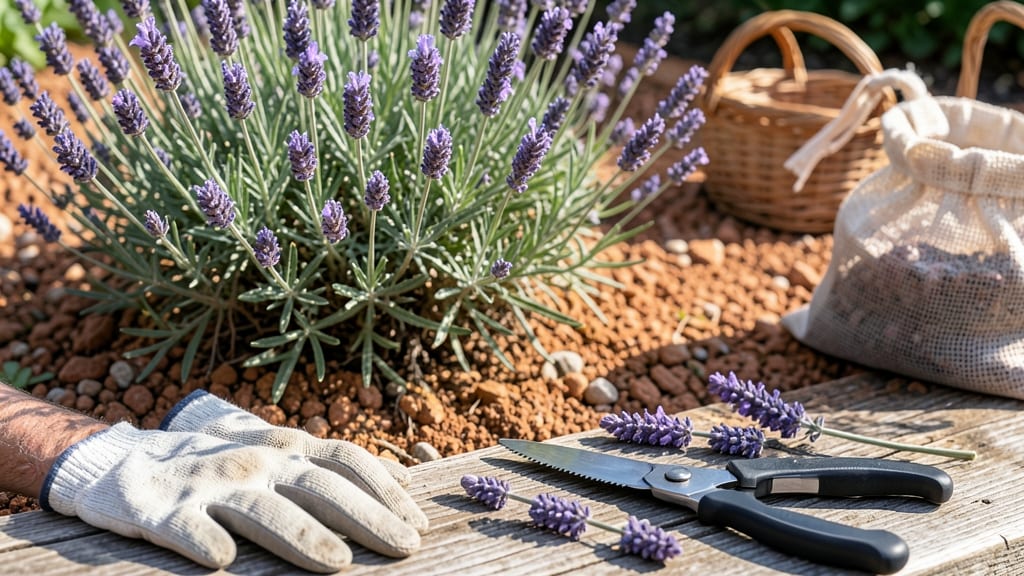
Harvest lavender for drying when the buds are fully formed but just beginning to open 🌿 — this late summer window captures the peak of essential oils and vibrant purple hues.
Picture this: you’ve nurtured your lavender all season, and now the moment of truth arrives. One wrong cut, and your drying bundles lose their signature scent or fade to a dull brown. But get it right, and you’ll end up with fragrant, long-lasting stems that smell like a Provence summer.
Timing matters more than you might think. In USDA Zone 6a, aim for mid-to-late summer when buds swell but haven’t yet fully bloomed. Coastal areas may shift slightly later, but the rule stays the same: harvest before the flowers open to lock in those precious oils.
Below, I’ll break down the exact signs to watch for — from bud tightness to stem firmness — and share my foolproof drying method to keep your lavender looking and smelling stunning for years.
The exact lavender bud stage for peak oil & color when drying
If you’ve ever harvested lavender too early or too late, you know the difference in fragrance and color retention is dramatic. The ideal harvest window for drying lavender isn’t when the flowers are fully open—it’s when the buds are just beginning to bloom.
This stage locks in the highest essential oil content and preserves that signature vibrant purple hue you love in dried bundles.
Timing matters because lavender’s essential oils peak just before full bloom. Once flowers open completely, the oils start degrading, and the color fades faster during drying. I’ve learned this the hard way—harvesting too late left me with pale, weakly scented bundles that barely lasted a season.
Here’s exactly how to spot the perfect moment.
🌿
| Harvest Stage | Bud Appearance | Stem Condition | Essential Oil Level | Color Retention |
|---|---|---|---|---|
| Pre-Flowering | Tightly closed, green buds | Soft, flexible stems | Low (oils not yet developed) | Poor (buds stay green) |
| Early Budding | Swollen, beginning to open | Firm, slightly woody | Moderate (oils building) | Fair (purple tint appears) |
| Peak Harvest (IDEAL) | 30-50% open buds, purple hue | Woody, snaps cleanly | Highest (oils at max) | Excellent (vibrant purple) |
| Full Bloom | Mostly open flowers | Stems may soften | Declining (oils degrade) | Poor (fades to brown) |
| Overripe | Dried, brown flowers | Brittle stems | Very low (oils lost) | None (no color left) |
The peak harvest stage is when 30-50% of the buds have opened—this is your sweet spot. At this point, the buds are plump and purple, not yet fully blooming. The stems should be woody and firm, snapping cleanly when bent (not bending like fresh stems).
If you crush a bud, it should release a strong, sweet aroma—this is your cue to harvest.
One trick I use is the "snap test": Hold a stem near the base and bend it gently. If it snaps cleanly with a slight crack, it’s ready.
If it bends like a willow branch, wait a few more days. This test tells you whether the woody structure is mature enough for drying without breaking apart.
🪵
Regional climate plays a role too. In cooler zones (USDA 5-7), lavender may bloom later, so monitor buds closely. In warmer climates (USDA 8+), harvest earlier to avoid heat stress.
I’ve found that mid-to-late summer (July-August in most zones) is the safest bet, but always check the buds—not the calendar.
Harvesting at the wrong stage doesn’t just affect scent and color—it also impacts drying time. Overripe lavender dries too quickly, turning brittle, while underripe buds take forever and often mold.
The ideal harvest ensures your bundles dry evenly in 2-3 weeks, retaining that lush purple and intoxicating fragrance for months.
Pro tip: Harvest on a dry, sunny morning after the dew has evaporated. This prevents moisture from lingering in the stems, which can lead to mold during drying.
I like to harvest just before noon when the essential oils are at their peak concentration—this is when lavender’s fragrance is strongest.
5 Critical signs your lavender is ready (and 3 mistakes to avoid)
Spotting the perfect harvest window for lavender can feel like finding a needle in a haystack—until you know the 5 key signs of readiness. First, look for buds that are swollen but not yet open.
These should appear plump and slightly fuzzy, with a lavender hue replacing green. If you see any open flowers, you’ve missed the boat—those buds have already released their peak oils.
The stem snap test is my secret weapon. Pinch a stem between your fingers—it should snap cleanly (not bend) and feel woody, not soft. Soft stems mean your lavender isn’t mature enough, while overly dry stems signal it’s past its prime.
Aim for that just-right firmness, like a good pencil.
Next, give your lavender a gentle squeeze. Ready buds release a strong, sweet aroma—think Provence perfume, not a faint whiff. If it smells weak or grassy, wait a few days. Pro tip: crush a bud between your fingers in the morning when oils are most concentrated.
Now, let’s talk height and weather. Your stems should be at least 12 inches tall with multiple bud clusters. Harvest on a dry, sunny morning after any evening dew has evaporated. Dewy lavender won’t dry properly—it’ll turn moldy faster than a forgotten salad in the fridge.
Here’s where most gardeners trip up: overharvesting. Never take more than 1/3 of the plant at once. This ensures your lavender keeps producing those fragrant stems year after year. I’ve seen folks cut back entire plants, only to watch their lavender struggle to rebound.
Another common mistake? Cutting at the wrong angle. Always use clean, sharp shears and cut just above a leaf node (where leaves grow). Ragged cuts invite disease, and dull blades crush stems, making drying harder. Think of it like giving your lavender a precision haircut—no split ends allowed!
Finally, avoid harvesting after rain or high humidity. Wet lavender loses its oils faster and dries poorly. If you’ve got no choice, wait 24 hours for it to dry out completely. Patience here pays off with longer-lasting bundles that smell like summer for months.
Master these signs, and you’ll transform your lavender harvest from ho-hum to showstopper. The difference between dull brown stems and vibrant purple bundles often comes down to these small details. Trust me, your future self (and your stress levels) will thank you.