
How To
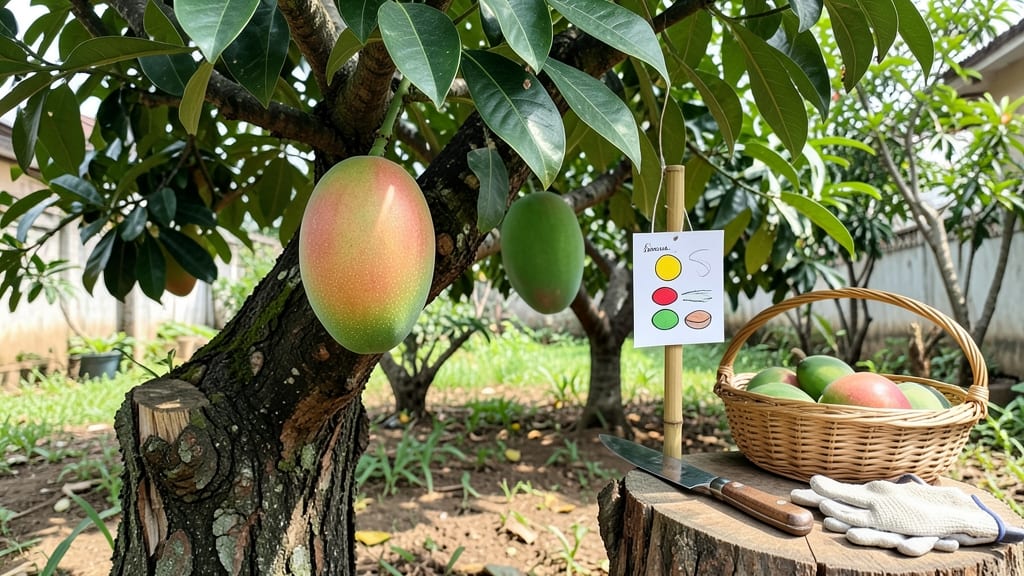
Harvesting mangoes at the right time means the difference between a burst of tropical sweetness and a meal of bland, seedy disappointment.
Picking a mango too early means sacrificing sweetness for blandness—or worse, letting it rot on the tree. With just three simple tactile tests, you can master the perfect harvest moment, ensuring every bite is juicy and flavorful.
Look for a skin that yields slightly when pressed near the stem, a deepened color (yellow, orange, or red depending on the variety), and a stem that twists free with a gentle tug. These cues tell you the 🥭 is ready to pick.
Below, I’ll walk you through the exact steps, regional variations, and what to do if you harvest too early or too late—so you never miss peak ripeness again.


3 Tactile tests to determine mango ripeness before harvesting
Harvesting mangoes at the perfect moment transforms bland fruit into a sweet, juicy explosion. Unlike many fruits, mangoes don't ripen well after picking—so timing is everything.
The key lies in your hands and eyes: three simple tactile tests reveal when a mango is ready to harvest, not just when it looks ripe. I’ve used these methods for years in my subtropical garden, and they’ve never failed me.
Many gardeners make the mistake of waiting for vibrant colors alone. While color changes are a clue, they’re not enough—some varieties stay green even when ripe! That’s why I rely on touch-based cues that cut through the guesswork.
These tests work for all common mango varieties, from Alphonso to Ataulfo, and help you avoid both underripe hardness and overripe mush.
-
1
Color Shift Near the Stem
Look for a 30-50% color change from green to mature hues (yellow, orange, red, or greenish-gold). Focus on the blossom end—this area ripens first and is the most reliable indicator.
-
2
Gentle Pressure Test
Press your thumb near the stem end. A ripe mango yields slightly (like pressing a ripe avocado)—not hard or mushy. If it springs back, wait 2-3 days.
-
3
Stem Twist Test
Grasp the fruit and twist gently at the stem. If it separates cleanly with a slight popping sound, it’s ready. Resistance means it needs more time; a limp stem signals overripeness.
Let’s break down the color shift test first, since it’s the easiest to spot but often misunderstood. Most mango varieties develop their mature color near the blossom end (the end opposite the stem).
For example, Alphonso mangoes turn golden-yellow, while Keitt mangoes develop a deep red blush. The key is consistency: if 50% of the fruit shows this color change, it’s likely ready.
Avoid the common mistake of harvesting based solely on stem color. A green stem doesn’t mean the fruit is unripe—it’s often just a variety trait. Instead, focus on the fruit’s texture and the blossom end’s hue.
Pro tip: Use a flashlight to check the blossom end in shaded areas—sometimes the color change is subtle but critical.
The gentle pressure test is where many gardeners go wrong. Applying too much force can bruise the fruit, but a light press near the stem reveals its true ripeness.
Imagine pressing a ripe peach—that’s the give you’re looking for. If the fruit feels firm, wait another week. If it feels mushy, you’ve missed the window.
Here’s a pro hack: Test multiple fruits on the same tree. Mangoes on a single tree can ripen at different times, so harvest in batches. Start with the fruits showing the most color change and yield to pressure, then check others every 2-3 days.
This staggered approach ensures you don’t miss a single ripe mango.
Finally, the stem twist test is my favorite because it’s foolproof. When a mango is ready, the stem separates with minimal effort—almost like it’s begging to be picked. If the stem resists, the fruit needs more time.
If it twists off too easily, the mango is overripe and may spoil quickly. This test works even for green-skinned varieties like Kent, where color isn’t a reliable indicator.
Timing your harvest right isn’t just about taste—it’s about preventing waste. Overripe mangoes ferment on the tree, attracting pests and spreading disease. Underripe ones never develop their full sweetness.
By mastering these three tests, you’ll harvest mangoes at their peak flavor and texture, ready to enjoy fresh or store for a few days.
Next time you’re in your garden, grab a mango and put these tests to the test. Your taste buds—and your tree—will thank you. And if you’re curious about how to handle mangoes that ripen too early or too late, stay tuned for my next section on post-harvest care!
Mango variety ripening guide: when to expect peak sweetness
Not all mangoes ripen on the same schedule, and picking at the wrong time means missing out on that perfect balance of sweetness and tang. Different varieties have distinct ripening windows, flavor profiles, and even optimal harvest seasons.
Whether you're growing Alphonso (the "king of mangoes") or Ataulfo (the honey mango), timing is everything for peak flavor. Let’s break down what to expect for the most popular varieties in your garden.
Your local climate plays a huge role in ripening, but these general guidelines will help you predict when your mangoes will be ready. For example, tropical varieties like Keitt often ripen earlier in the season compared to heat-loving varieties like Kent, which may wait until late summer.
Understanding these differences ensures you don’t miss the sweetest window—or worse, end up with mealy, underripe fruit.
If you’re growing multiple mango varieties, keep a harvest journal to track when each type reaches peak ripeness in your climate. For instance, Ataulfo mangoes often ripen 2-3 weeks earlier than Alphonso, so staggering your harvests can extend your sweet season.
Pay attention to local microclimates—even a slight elevation change can shift ripening by a week or more.
Once you’ve identified the optimal harvest window for your mango variety, act quickly. Some types, like Alphonso, ripen rapidly once they’re picked, while others, like Keitt, can linger on the tree longer.
If you’re unsure, use the stem twist test: a clean break means it’s ready, while resistance signals it needs more time. Don’t wait too long, though—overripe mangoes lose their vibrant flavor and texture fast.
Pro tip: Store harvested mangoes at room temperature until fully ripe (they won’t soften further once picked), then refrigerate to slow down spoilage. For longer storage, place them in a paper bag with a banana or apple to speed up ripening naturally.
Now that you know the perfect timing for each variety, you’re ready to enjoy mangoes at their absolute peak—no bland or mushy surprises here! 🥭