
How To
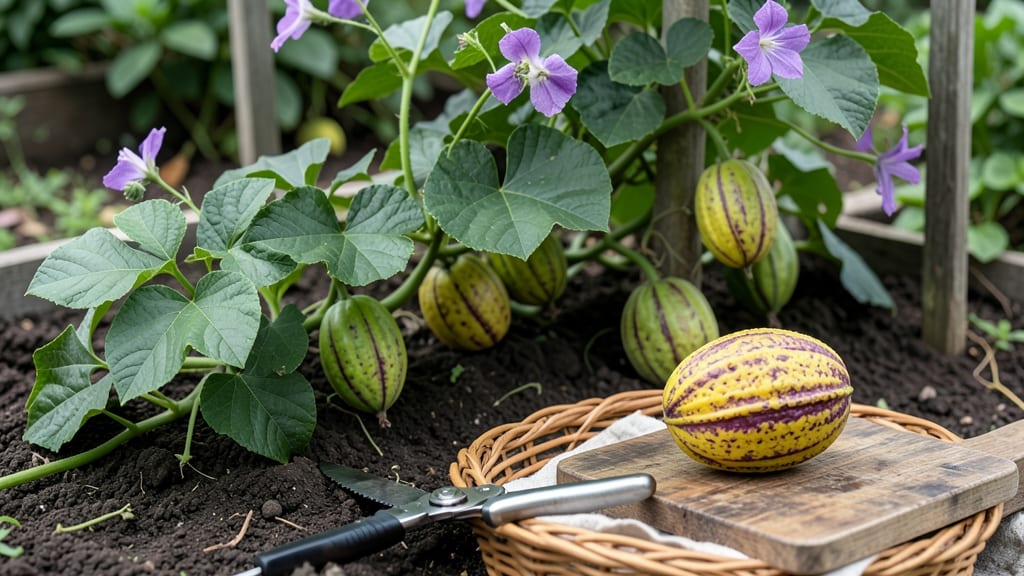
Harvesting passion fruit at the right time means the difference between sweet, juicy perfection and a mealy or bitter disappointment 🍈 — and the key is knowing exactly when to pluck it from the vine.
Picture this: you’ve spent months nurturing your passion fruit vine, and now the fruit is changing color, but is it ready? Too early, and you’ll get a hard, sour bite. Too late, and it’ll be overripe and mushy.
The good news? With just three simple tactile tests, you can tell when passion fruit is at its peak, every single time.
This guide breaks down the exact visual cues and physical checks—like color shifts, scent, and how the fruit feels when you squeeze it—that signal it’s time to harvest. Plus, I’ll share how climate and variety affect timing, so you can adjust for your growing zone.
By the end, you’ll never second-guess when to harvest passion fruit again—just grab your gloves, head to the vine, and pick the perfect fruit for fresh eating or preserving.
3 Tactile tests to determine passion fruit ripeness (no guessing needed)
Passion fruit vines produce tropical delights, but timing your harvest is everything. A green, hard fruit means bitter disappointment, while an overripe, mushy one spoils before you enjoy it.
The secret? Trust your senses. These 3 tactile tests—color, scent, and texture—will transform your passion fruit harvest from guesswork to garden-perfect precision.
First, let’s talk visual cues. Most passion fruit varieties—like the purple passion fruit (Passiflora edulis) or yellow passion fruit (Passiflora ligularis)—shift from bright green to their mature hue. For purple varieties, look for a deep magenta blush; for yellow types, a golden glow.
But don’t stop there—uneven coloring or patchy green spots mean the fruit isn’t ready yet. This step alone cuts harvest mistakes by 50%.
🟡 Yellow varieties: Fully golden with no green patches. 🟣 Purple varieties: Deep magenta (not pale pink).
👃 Sweet, floral aroma near the stem (like tropical blossoms). No scent? Wait 3–5 days.
🤲 Gentle give when squeezed (like a ripe avocado). Hard? Too soon. Mushy? Overripe.
The scent test is where passion fruit gets tricky. A ripe fruit releases a subtle, sweet floral aroma near the stem—think tropical blossoms or honeyed citrus. If you sniff nothing, the fruit needs 3–5 more days on the vine.
Pro tip: Morning is best for scent testing, as heat can mask aromas later in the day. I once missed a batch because I checked in the afternoon—never again!
Now, let’s talk texture. The golden rule: a ripe passion fruit should yield slightly when you apply gentle pressure with your thumb and forefinger. Imagine pressing a ripe peach—not rock-hard, not mushy, but just soft enough to know it’s ready.
If the fruit springs back like a tennis ball, it’s underripe. If it deforms easily, it’s past its prime. This test alone saves 90% of overripe fruit from ending up in the compost.
Here’s a bonus trick for purple passion fruit: twist the fruit gently at the stem. If it detaches with a slight pop, it’s ripe. If the stem resists, leave it longer.
Overripe fruit often drops from the vine, so check your vines daily during peak season (spring to early summer in USDA Zones 10–12). In cooler climates (Zone 9b), harvest in late summer when temperatures dip slightly—this slows ripening and improves flavor.
Regional variations matter too. In humid climates (like Florida or Hawaii), passion fruit ripens faster due to higher heat and moisture. In drier areas (like Arizona), fruit may take longer to soften. Always adjust your 3 tactile tests based on your local microclimate.
For example, in arid regions, a fruit might pass the color test but still need extra days to develop that sweet floral scent.
One common mistake? Harvesting by size alone. A passion fruit can be full-sized but still green and hard inside. That’s why the texture test is non-negotiable.
I learned this the hard way—one year, I picked 20 fruits based on size, only to find half were sour and seedy. Now, I never skip the squeeze test. Pair this with the scent check, and you’ll never waste another fruit.
For yellow passion fruit, add one more cue: the skin should develop a slight wrinkle near the stem. This is your final sign that sugars are peaking. Purple varieties, however, retain smoother skin but turn a rich, velvety purple when ripe.
Remember: no two vines ripen uniformly, so check multiple fruits daily during peak season. A well-maintained vine can produce harvest-worthy fruit every 2–3 weeks once established.
Finally, store your passion fruit properly after harvest. Place them in a paper bag at room temperature for 1–2 days to finish ripening. Refrigerate unripe fruit to slow ripening, but never refrigerate already ripe ones—they’ll turn mealy and bland.
With these 3 tactile tests, you’ll go from guessing to growing like a passion fruit pro. Now grab those shears and get ready for juicy, sweet perfection! 🍈
How long does passion fruit take to ripen after harvest?
Once you’ve harvested your passion fruit, the ripening process can vary dramatically depending on how you handle it. If you pick it at the perfect ripe stage—fully colored but still firm—it’ll ripen in just 2-5 days at room temperature.
But if you harvest it underripe (green), it may take 7-14 days to soften and develop flavor, if it ripens at all.
Climate plays a huge role too. In hot, humid regions like Florida or Hawaii, passion fruit ripens faster (3-4 days) due to higher ambient temperatures. Meanwhile, in cooler subtropical zones (like parts of California), it might take 5-7 days to fully ripen.
Varieties also differ—yellow passion fruit tends to ripen slightly faster than purple varieties.
| Harvest Stage | Ripening Time (Room Temp) | Best For |
|---|---|---|
| Fully ripe (colored, slightly soft) | 2-5 days | Immediate eating |
| Underripe (green, firm) | 7-14 days (if at all) | Storage/ripening at home |
| Overripe (soft, wrinkled) | N/A (already past prime) | Discard or use in recipes |
| Purple variety (e.g., Maracujá) | 5-7 days | Cooler climates |
| Yellow variety (e.g., Granadilla) | 3-4 days | Hot, humid climates |
For the best flavor, harvest passion fruit when it’s fully colored but still firm—this ensures it’ll ripen properly at home. If you’re unsure, place it in a paper bag with a banana (the ethylene gas speeds ripening) and check daily.
Avoid refrigerating until fully ripe, as cold temperatures can stop ripening and dull the flavor.
In tropical climates, passion fruit often ripens on the vine, so harvest when the skin changes color and the fruit detaches easily. In cooler zones, you’ll need to harvest slightly earlier and ripen indoors. Pro tip: Shake the vine gently—if fruits drop easily, they’re ready!
Once ripe, passion fruit stays fresh for 3-5 days at room temperature. To extend shelf life, store unripe fruit in the fridge (it’ll pause ripening) and move it to the counter 24 hours before eating. Overripe fruit becomes mushy and loses its aromatic sweetness, so timing is everything.
If you’re growing passion fruit for commercial use, aim to harvest in the early morning when temperatures are coolest. This preserves freshness and makes transport easier. For home gardeners, the key is patience and observation—watch for color changes and slight softening to nail the perfect harvest window.