
How To
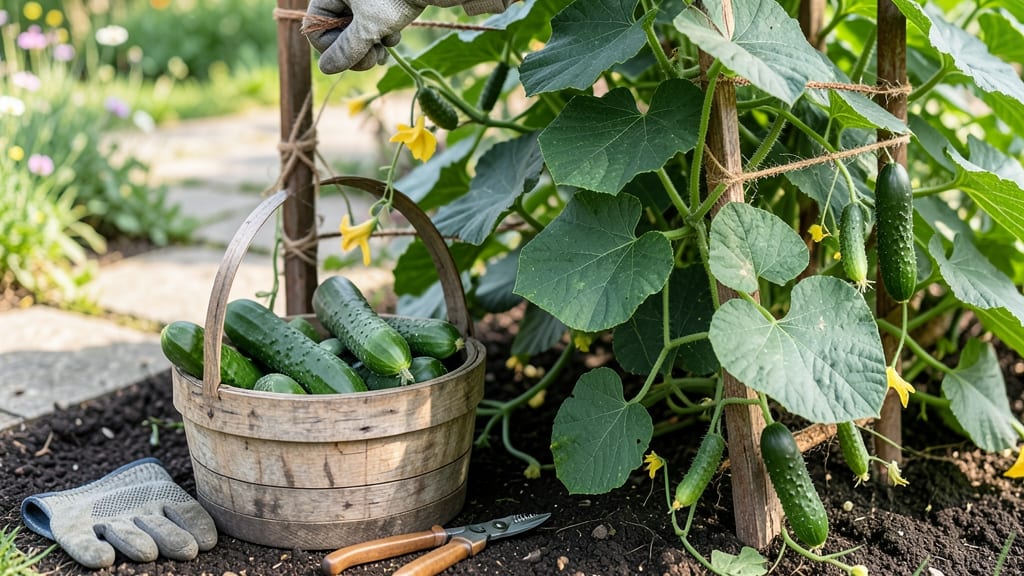
Harvesting pickling cucumbers 🥒 at the right time means the difference between crisp, seedless spears and rubbery, bitter disappointment — and most gardeners miss the window by days.
You’ve spent weeks tending your plants, only to grab a cucumber that’s either too small or already turning yellow. That’s not just a waste of effort; it’s a missed opportunity for the best dill pickles or refrigerator snacks your neighbors will envy.
Here’s the secret: timing isn’t just about days after planting. It’s about size, color, and a simple finger test that tells you exactly when to pick. Master these cues, and you’ll never overlook a perfect cucumber again.
In this guide, I’ll walk you through the 3 tactile tricks that pro picklers use to harvest cucumbers at their peak — so you can enjoy that satisfying crunch every time.
3 Tactile tricks to identify perfect pickling cucumber harvest time
Harvesting pickling cucumbers at the right moment transforms your garden into a pickle-making powerhouse. The difference between crisp, seedless perfection and rubbery, bitter failures often comes down to simple tactile cues most gardeners overlook.
I’ve learned these tricks after years of trial—and error—with my own pickling cucumber plants, and they’ll save you from wasting a single cucumber.
Professional picklers rely on three key methods: the finger squeeze test, the vein color check, and the stem snap technique. These tricks work for seedless varieties like 'Boston Pickling' or 'National Pickling', ensuring you harvest at peak crunch.
Skip these steps, and you’ll end up with cucumbers that turn into soggy, seedy disappointments instead of the crunchy, tangy treats we all crave.
Here’s how to apply these tricks in your garden—no fancy tools required. Just your hands, eyes, and a little practice. The sooner you master these, the sooner you’ll be enjoying homemade pickles that put store-bought to shame.
🌱 Numbered Highlights: 3 Tactile Tricks for Perfect Harvest
-
1. Finger Squeeze Test
Gently press a cucumber between your thumb and forefinger. If it yields slightly (like a ripe avocado) but doesn’t feel mushy, it’s ready. Overripe cucumbers will feel soft and spongy, while underripe ones stay rock-hard. -
2. Vein Color Check
Look at the cucumber’s stem end. Healthy pickling cucumbers have bright green veins. Yellowing or brown veins signal overripeness—these cucumbers will be bitter and seedy. Harvest when veins are vibrant green for the best flavor. -
3. Stem Snap Technique
Grasp the cucumber’s stem end and twist gently. If it snaps cleanly (like a dry twig), it’s ready to pick. A stem that resists or pulls away means the cucumber isn’t mature enough yet. This trick works even for hidden cucumbers behind leaves!
The finger squeeze test is my go-to method because it’s foolproof—even on cloudy days when color cues fade. I’ve used it to harvest hundreds of cucumbers for my neighbors’ pickle jars, and it never fails.
The key is to test cucumbers early in the morning when they’re cool and firmest. Afternoon heat can make them feel softer, leading to premature harvests.
For vein color, I always check the underside of the cucumber near the stem. This is where discoloration first appears. If you see even a hint of yellow, snip it off immediately—these cucumbers won’t keep well and develop bitter compounds that ruin pickles.
Pro tip: Use a small pruning shears to avoid damaging the plant when harvesting.
Don’t overlook the stem snap technique—it’s especially useful for vining varieties that produce cucumbers hidden under foliage. I’ve found that cucumbers ready for harvest often hang slightly downward due to their weight.
If you spot one, give it the twist test before assuming it’s perfect. This trick also helps you avoid misshapen cucumbers, which are more common when plants are overcrowded.
Timing matters just as much as technique. Harvest your pickling cucumbers every 2–3 days during peak production (usually late June to August in most climates). This frequency prevents overgrowth and ensures your plants keep producing.
I once waited a week between harvests, and my cucumbers grew to foot-long monsters—completely unusable for pickling!
One common mistake is relying only on size to judge readiness. A 3-inch cucumber might be perfect, but a 4-inch one could already be past its prime.
Always combine size, color, and touch for the best results. For example, a 3.5-inch cucumber with yellowing veins is a no-go, even if it’s the "right" length.
If you’re growing multiple varieties, like both slicing and pickling cucumbers, label your plants. Pickling types like 'Boston Pickling' are bred for smaller size and thinner skins, while slicing cucumbers (like 'Straight Eight') need more time to mature. Mixing them up leads to uneven harvests and frustrated gardeners.
Remember, the goal is crisp, seedless cucumbers that slice cleanly. When you master these tactile tricks, you’ll never again waste a single cucumber—or end up with a jar of mushy, sad pickles. Grab your shears, head to the garden, and start testing those cucumbers today!
Size matters: the exact length and width ranges for different pickling styles
Not all pickling cucumbers are created equal—and their final size determines whether you end up with crisp bread-and-butter spears, plump dill pickles, or slim refrigerator snacks. The key lies in harvesting at the right moment, which varies by 1–2 inches depending on your goal.
Let’s break down the exact measurements for each style so you never overgrow or underharvest again.
For bread-and-butter pickles, aim for cucumbers that are 2–3 inches long and 1–1.5 inches wide. These smaller sizes stay crisp and tender when pickled, making them perfect for slicing.
If you wait too long, they’ll turn rubbery and bitter—ruining your batch. Think of them as the "goldilocks" of pickling cucumbers: not too big, not too small.
| Pickling Style | Ideal Length | Ideal Width | Harvest Time | Stop Harvesting When |
|---|---|---|---|---|
| Bread-and-Butter | 2–3 inches | 1–1.5 inches | Every 2–3 days | Cucumbers exceed 3.5 inches |
| Dill Pickles | 3–4 inches | 1.5–2 inches | Every 3–4 days | Cucumbers yellow or develop soft spots |
| Refrigerator Spears | 4–5 inches | 1.5–2 inches | Every 4–5 days | Stems turn woody or flowers appear |
If you’re making classic dill pickles, wait until your cucumbers reach 3–4 inches long and 1.5–2 inches wide. These slightly larger cucumbers develop a firmer texture that holds up well to brining.
The secret here is to harvest them before they start to yellow or develop soft spots—a sure sign they’ve passed their prime. Pro tip: Use a sharp knife and cut just above the stem to avoid damaging the plant.
For refrigerator spears, you’ll need the longest cucumbers—4–5 inches long and 1.5–2 inches wide. These are perfect for quick pickling in the fridge, where you can enjoy them within days.
The key is to harvest them just as they reach full size, as they’ll continue to grow if left on the vine. Stop harvesting when the stems start to turn woody or when flowers begin to appear—this signals the plant is shifting its energy toward seed production.
Timing is everything when it comes to pickling cucumbers. Harvest too early, and you’ll end up with bland, underdeveloped flavors. Harvest too late, and you’ll deal with bitter, seedy cucumbers that turn your pickles into a mushy disappointment.
Pay attention to the vein color (bright green means fresh) and the stem’s snap test (it should break cleanly). With these precise measurements, you’ll always know exactly when to pick for the perfect pickle.
Once you’ve mastered the size game, you’ll never again waste a cucumber—or end up with a jar of sad, overgrown pickles. Grab your harvest basket, check those measurements, and enjoy the satisfaction of knowing you’ve timed it just right. Happy pickling!