
How To
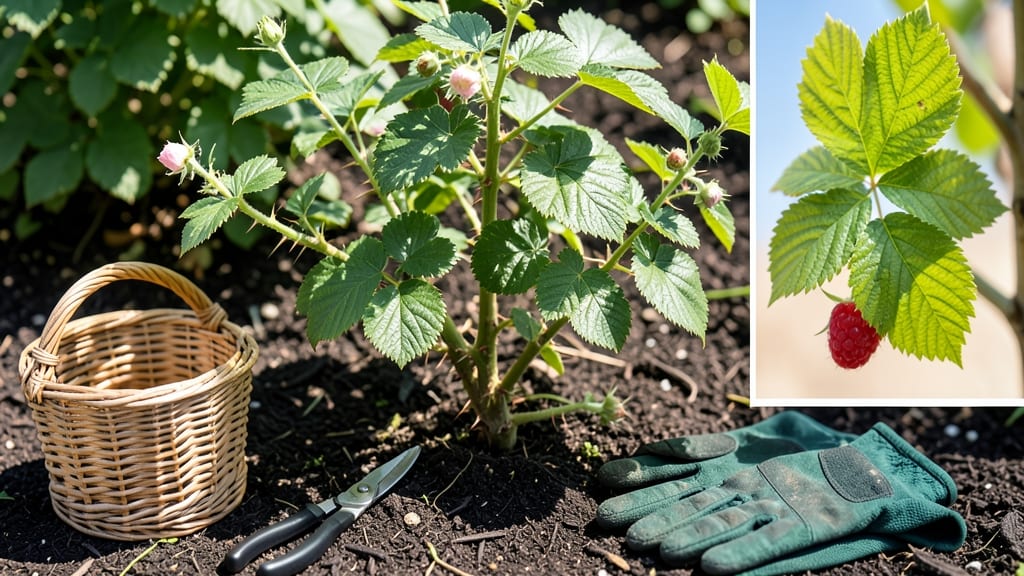
Harvest raspberry leaves in early spring before flowering 🍇 — that’s when they’re packed with nutrients and flavor, not after the plant shifts its energy to fruit.
Did you know raspberry leaves are packed with nutrients—twice as much vitamin C as oranges—but only when harvested at the perfect time? Missing this window means losing flavor, potency, and even medicinal benefits.
Most gardeners wait until summer for raspberries, but the best leaves appear in early spring, when they’re tender and bright green. That’s also when you can use the stem snap test to check readiness—bend a stem, and if it snaps cleanly, it’s time to harvest.
Below, I’ll walk you through the exact timing, seasonal cues, and how to avoid common mistakes that waste your harvest. Whether you’re making tea or cooking, this is the game-changer for peak flavor and nutrition.
How to use the stem snap test for raspberry leaf harvest timing
Harvesting raspberry leaves at the right time maximizes their nutrient density and flavor. The stem snap test is my go-to method to determine peak harvest readiness. This simple technique helps you avoid woody, tough leaves while ensuring you collect the most tender, nutrient-rich foliage for teas, cooking, or medicinal use.
Timing matters because raspberry leaves change dramatically from spring to summer. Early spring leaves are delicate and high in antioxidants, while summer leaves become tougher and less flavorful.
The snap test lets you identify the perfect window—typically 2-4 weeks after new growth begins—when leaves are fully unfurled but still pliable.
Step-by-Step Stem Snap Test Guide
- 1 Select a healthy leaf: Choose a young, bright green leaf from the current season’s growth. Avoid leaves near flower buds or thorns, as they’re past prime.
- 2 Grasp the stem firmly: Hold the leaf’s petiole (stem) between your thumb and forefinger. Apply gentle pressure to test its flexibility.
- 3 Bend the stem slowly: Apply pressure until the stem bends but doesn’t snap. If it bends easily (like fresh celery), the leaf is ready to harvest.
- 4 Check for a snap: If the stem snaps cleanly (like a dry twig), the leaf is overmature. If it bends without snapping, it’s perfect for harvest.
- 5 Verify leaf size: Ideal leaves should be 3-5 inches long and fully unfurled but not yet developing woody veins. Larger leaves often taste bitter.
- 6 Harvest with clean tools: Use sharp scissors or pruners to cut leaves at the base of the stem. Avoid tearing to prevent disease entry points.
Regional variations can shift harvest timing by 2-4 weeks. In warmer climates (USDA Zones 8-10), raspberry leaves may be ready as early as late February, while cooler zones (4-6) often see peak harvests in April or May.
Always align with your local last frost date—harvesting too early risks frost damage to tender leaves.
Young raspberry leaves (harvested in spring) are best for herbal teas and soups, while slightly older leaves (early summer) work well for raspberry leaf jam or medicinal tinctures. The snap test ensures you’re always harvesting at the optimal maturity stage for your intended use.
Pro tip: Harvest leaves in the morning after dew has dried to preserve volatile oils and nutrients. Avoid harvesting after rain or late in the day, as moisture can dilute flavor and accelerate spoilage.
For medicinal use, prioritize leaves harvested in early spring when ellagic acid and vitamin C levels peak. Store harvested leaves in a paper bag in the fridge for up to 1 week or dry them for long-term storage.
Remember, over-harvesting weakens the plant. Never take more than 1/3 of the new growth in a single session to ensure your raspberry bushes stay healthy and productive for future harvests.
Best times of day and year for harvesting raspberry leaves
Timing is everything when harvesting raspberry leaves for their peak nutrient content and best flavor. Unlike the fruit, leaves should be picked in early spring—not summer—when they’re young and tender.
This is when their vitamin C and antioxidant levels are highest, making them ideal for teas, cooking, or medicinal uses.
The best seasonal window spans from late March to early May, just as new growth emerges but before flowering begins. In warmer climates (USDA Zone 8+), this shifts to February to April. Harvesting after flowering reduces nutrient density and can stress the plant before fruiting season.
| Season | Optimal Harvest Time | Nutrient Peak | Leaf Condition |
|---|---|---|---|
| Early Spring | Late March–Early May | Vitamin C, antioxidants | Tender, bright green, unfurled |
| Late Spring | May–Early June | Moderate (post-flowering) | Slightly tougher, darker green |
| Summer | Avoid (low nutrients) | Low vitamin C | Woody stems, mature leaves |
For daily timing, always harvest in the morning after dew has evaporated but before the sun peaks. This preserves moisture and nutrients while avoiding the bitter taste that can develop from evening harvests. Avoid picking after rain, as excess moisture dilutes nutrient concentration.
Climate plays a key role: in cool regions, harvest earlier (March–April) when growth is slower. In hot climates, shift to February–March to beat the heat. Overheating reduces leaf quality, so prioritize shaded areas if harvesting midday in summer.
Pro tip: Use a clean pair of pruning shears to snip leaves just above a leaf node. This encourages bushier growth and prevents disease. Store harvested leaves in a paper bag in the fridge for up to 5 days to retain freshness.
By following these seasonal and daily cues, you’ll unlock raspberry leaves at their nutrient-richest, most flavorful peak—ready for your favorite recipes or herbal remedies. 🌿