
Vegetables
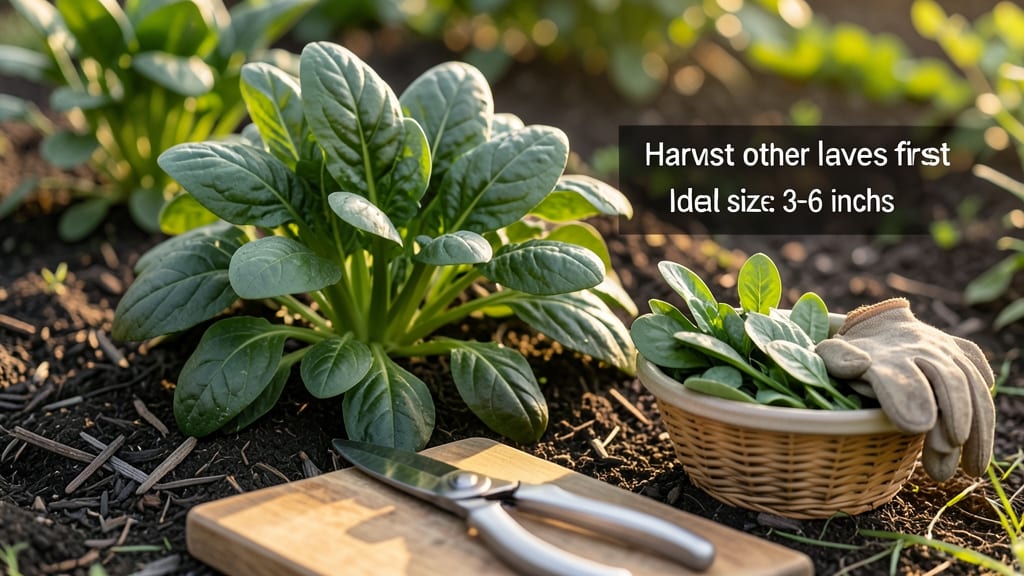
To harvest spinach leaves at the perfect moment means catching them when they’re tender, packed with flavor, and ready to regrow—before they bolt or turn bitter.
Picture this: you’ve nurtured your 🌱 spinach for weeks, watching it thrive in cool spring soil, only to wonder, Is it ready yet? The truth is, timing is everything—harvest too early, and you stunt growth; wait too long, and you’re left with tough, stringy leaves or worse, flower stalks.
In this guide, I’ll share three tactile tests to determine when your spinach is at its peak—no guesswork required. From leaf width to stem firmness, you’ll learn how to pick the right moment, whether you’re growing baby leaves for salads or full-sized greens for sautéing.
You’ll also discover how to avoid common mistakes that ruin your crop, like harvesting too aggressively or ignoring signs of stress. By the end, you’ll know exactly when to snip for continuous harvests all season long.
3 Tactile tests to identify perfectly harvest-ready spinach leaves
Harvesting spinach at the perfect moment transforms your garden into a flavor powerhouse. The key? three simple tactile tests that reveal when leaves are tender, vibrant, and ready to eat. Unlike many vegetables that rely on color or size alone, spinach demands a hands-on approach—your fingers become your best tool.
I’ve used these methods for years in my garden, and they’ve helped me avoid both bitter, overmature leaves and stunted, underdeveloped harvests. Let’s dive into the science-backed techniques that’ll have you picking spinach like a pro.
First, understand why these tests work: spinach’s maturity timeline is short—just 30-60 days from seed to harvest. Missing this window means tough, fibrous leaves or—worse—bolting (flowering), which ruins the delicate flavor. The good news?
These tactile tests account for leaf size, stem firmness, and texture, giving you precise cues that go beyond guesswork. Whether you’re growing baby spinach for salads or full-sized leaves for sautéing, these methods ensure you’re always harvesting at peak quality.
Compare leaf width to your thumb and index finger. Ideal harvest occurs when leaves span 3-4 inches wide—about the width of a standard US quarter. If leaves are narrower, they’re not yet mature; if they’re wider and crowding neighbors, you’ve missed the window.
Grip a leaf stem between your thumb and forefinger. It should bend slightly (like a green celery stalk) but not snap. A snapping sound means the leaf is overmature; no bend signals it’s still too young.
Rub a leaf’s surface between your fingers. Silky-smooth texture = harvest time. Rough or gritty edges mean the leaf is past its prime. Pro tip: Check the leaf underside—it’s often more sensitive to texture changes.
"Harvesting too early stunts growth; too late ruins flavor. These tests bridge the gap."
Let’s break down the Leaf Width Rule further. Spinach leaves grow rapidly, and their width correlates directly with tenderness. For example, ‘Baby’s Leaf Hybrid’ spinach should be harvested when leaves reach 2-3 inches wide, while varieties like ‘Bloomsdale Long Standing’ can wait until 4-5 inches.
Use a ruler or your fingers to measure—my go-to trick is holding the leaf next to a US nickel (about 2 inches wide) for quick comparison. If leaves are touching neighboring plants, they’ve outgrown their ideal size, and you’ll sacrifice flavor for size.
The Stem Squeeze Test is my favorite because it reveals hidden maturity clues. A tender stem indicates the leaf has absorbed enough nutrients but hasn’t yet developed fibrous tissue. I test this by plucking a leaf and gently pressing the stem between my fingers.
If it resists but doesn’t snap, that’s your sweet spot. Overmature stems snap like dry twigs, while underdeveloped ones feel floppy. This test is especially useful for container-grown spinach, where space is limited, and you need to harvest before leaves crowd the pot.
Don’t overlook the Texture Rub, which uncovers subtle signs of maturity. Spinach leaves develop a waxy coating as they age, making them feel rough to the touch. Young leaves, however, have a velvety softness that’s unmistakable.
I like to test this after a light rain when leaves are freshest—water can sometimes mask texture, so avoid testing after heavy dew. For savoy spinach varieties (like ‘Giant Winter’), the crinkled texture is normal, but the surface should still feel smooth, not gritty.
Timing these tests matters too. Perform them in the morning when leaves are hydrated and firmest. Avoid testing after hot afternoons or frosty nights, as temperature extremes can alter texture and firmness.
I’ve learned this the hard way—once, I harvested spinach after a 90°F day, only to find the leaves had a mushy texture due to heat stress. Always test when conditions are stable.
What if your spinach fails these tests? Don’t panic—there’s still time to salvage your crop. If leaves are too small, give them 5-7 more days and check again.
If they’re overmature, harvest them immediately (they’ll still be edible but less tender) and adjust your future planting schedule to avoid this issue. For bolting spinach (flowering stalks), remove the entire plant—it won’t recover, but it’ll free up space for a fall crop.
Pro tip: Combine these tests with visual cues. Healthy spinach leaves should be deep green (not yellow or brown) and upright (not wilting). The veins should be clearly visible but not prominent. When you see these signs alongside the tactile clues, you’re golden.
Over time, you’ll develop an instinct for spinach maturity—my own garden experience has taught me to trust my hands as much as my eyes.
Ready to put these tests into action? Grab a handful of spinach leaves and give them the three tactile checks right now. You’ll be amazed at how quickly you can tell the difference between perfectly tender and past-its-prime spinach. Happy harvesting—your taste buds (and future salads) will thank you! 🌿
How to harvest spinach without damaging future growth
Harvesting spinach correctly is the key to enjoying a continuous supply of tender leaves all season long. Unlike many vegetables, spinach regrows after harvesting, but only if you follow proper techniques. The goal is to remove leaves without stressing the plant, ensuring it keeps producing fresh growth for weeks.
I’ve learned that timing and method matter just as much as when you plant it.
For baby spinach varieties, you’ll harvest entire plants when they reach 2-3 inches tall, while mature spinach should yield individual leaves at 4-6 inches long. The difference in approach depends on your variety and intended use—whether you’re growing spinach for salads or cooking.
Both methods require gentle handling to avoid damaging stems or introducing disease through rough cuts.
⚠️ Critical Harvesting Warning
Never harvest more than 1/3 of the plant at once—this stresses the roots and reduces future yield. Spinach is a cut-and-come-again crop, meaning it regrows from the base. If you take too many leaves at once, you’ll stunt the plant’s ability to recover, leading to bolting (flowering) or leaf bitterness.
Best time to harvest: Early morning after dew has dried but before the heat of the day. This ensures leaves are crisp and full of moisture, preserving their tenderness.
Start by harvesting the outer leaves first, leaving the inner, younger leaves to mature. Use a clean, sharp pair of scissors or pruning shears to cut leaves at the base, about 1/2 inch above the soil line.
This prevents tearing and allows new growth to emerge from the center. For baby spinach, you’ll cut the entire plant just above the soil, ensuring you leave enough stem to regrow.
Frequency depends on your climate and variety, but I recommend harvesting every 1-2 weeks during peak growing seasons (spring and fall). In hot summer months, spinach may bolt quickly, so harvest more aggressively to prevent flowering.
Always check for tender, bright green leaves—if they feel tough or develop a bitter taste, it’s time to harvest them before they spoil.
After harvesting, rinse leaves gently in cool water and pat dry with a clean towel. Store them in a plastic bag with a paper towel to absorb excess moisture, then refrigerate for up to 5 days.
For long-term storage, blanch and freeze leaves, but always harvest fresh for the best flavor. With proper care, a single spinach plant can produce enough leaves for multiple harvests over 4-6 weeks.
Seasonal adjustments are key: in spring harvests, focus on baby leaves for salads, while fall harvests often yield larger, more robust leaves. If your spinach starts bolting (sending up flower stalks), harvest the remaining leaves immediately and avoid fertilizing—this signals the plant’s end of its productive cycle.
With these techniques, you’ll enjoy a bountiful, continuous harvest all season long. 🌱