
Vegetables
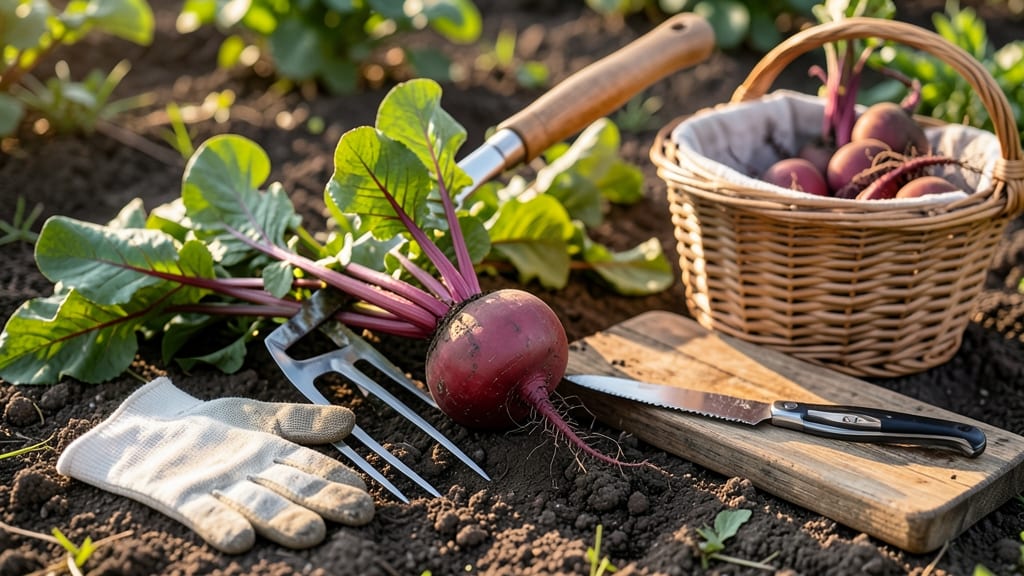
Harvesting red beets at 60 days after planting ensures sweet, tender roots 🍠—but timing is everything, and getting it wrong means tough or bitter harvests.
Picture this: you’ve nurtured your beets all season, and now you’re staring at a patch of earth, wondering if they’re ready. The leaves look healthy, but how do you know the roots are perfect? Too early, and you’ll get small, underdeveloped beets. Too late, and they’ll turn woody or split.
Don’t stress—there’s a simple trick to tell when your red beets are at their peak. I’ll walk you through the soil loosen test, how to spot ideal size and color, and even what to do if you miss the window.
By the end, you’ll know exactly when to pull those roots for the most flavorful harvest, whether you’re roasting them for dinner or storing them for later.


How to use the soil loosen test for perfect red beet harvest timing
Harvesting red beets at the right time ensures maximum sweetness and tenderness. The soil loosen test is my go-to method because it reveals root development without damaging the plant. This simple technique works best when your beets are between 50-70 days after planting, depending on the variety.
For most red beets, this means checking around mid-summer for spring plantings or early fall for late-summer sowings.
Before you begin, make sure your beets are growing in well-draining soil with a pH between 6.0-7.0. Loamy soil works best, but sandy or clay soils can still yield great results with proper amendments.
The ideal temperature for red beet growth is 55-75°F, so avoid testing during extreme heat or cold snaps, which can skew your results.
Now, let's dive into the step-by-step process. This method helps you determine if the roots have reached their perfect size—1.5-3 inches in diameter—without pulling them from the ground prematurely.
Step-by-Step Soil Loosen Test for Red Beets
- Step 1: Choose a healthy-looking beet plant with vibrant green leaves. Avoid plants showing signs of stress like yellowing or wilting.
- Step 2: Gently loosen the soil around the base of the plant using a small hand fork or trowel. Work slowly to avoid damaging the roots.
- Step 3: Part the soil slightly to expose about half of the root. Look for a deep, consistent color and smooth texture—these are signs of maturity.
- Step 4: Feel the root's firmness. If it resists gentle pressure and feels solid (not mushy or woody), it’s likely ready for harvest.
- Step 5: Measure the exposed portion. If it’s 1.5-3 inches in diameter, your beet is ready. If smaller, wait 5-7 more days before retesting.
- Step 6: If the root is larger than 3 inches, it may be past its prime. However, larger beets are still edible—they’ll just be slightly tougher.
Pro Tip: Perform this test on 2-3 plants to ensure consistency across your crop. Early morning is the best time to test, as soil is cooler and firmer.
Timing is everything when it comes to red beets. If you harvest too early, you’ll end up with small, underdeveloped roots that lack sweetness. On the other hand, waiting too long can result in woody, fibrous textures and a less pleasant eating experience.
The soil loosen test helps strike the perfect balance by giving you a non-destructive way to check root development.
Pay close attention to the soil conditions during your test. If the soil feels compacted or dry, your beets may not grow to their full potential. Water deeply 24 hours before testing to ensure the soil is moist but not waterlogged.
This helps the roots plump up and reach their ideal size more quickly.
Another key factor is the weather forecast. If a heatwave or heavy rain is expected in the next 3-5 days, it’s best to harvest sooner rather than later.
Extreme conditions can stress the plants and affect root quality. Aim to harvest on a cool, overcast day to preserve the beets' tenderness and flavor.
Once you’ve confirmed your beets are ready using the soil loosen test, it’s time to harvest. Use a garden fork or spade to gently loosen the soil around the beet, then grasp the foliage and pull upward.
The root should come out cleanly with minimal resistance. If it doesn’t, wiggle it gently until it releases—never force it, as this can break the root.
After harvesting, trim the leaves to ½ inch above the root to prevent moisture loss and store them in a cool, dark place (like a root cellar or refrigerator) for up to 2-3 weeks.
For longer storage, cure the beets by leaving them in a warm, dry place for 1-2 hours before trimming and storing.
Mastering the soil loosen test takes practice, but once you get the hang of it, you’ll never second-guess your red beet harvest timing again. Happy gardening!
Signs your red beets are ready to harvest (beyond the soil test)
When your red beets hit 60 days of growth, they’re likely nearing harvest—but don’t rely on days alone. The real clues lie in their size, color, and texture.
I’ve learned that deep red roots with firm skin are the sweetest, while pale or oversized beets often taste bitter or woody. Let’s break down what to look for beyond the soil.
Start by checking the leaf size. Healthy red beet leaves should be 4-6 inches long with a deep green color. If they’re smaller than 3 inches, your beets likely need more time.
Yellowing or wilting leaves? That’s a red flag—they might be stressed or overripe. Pay attention to the leaf edges too; crisp, vibrant leaves mean your beets are thriving.
Now, let’s talk roots—the star of the show. Gently loosen the soil around one beet to check its diameter. The ideal size is 1.5-3 inches. Anything smaller than 1 inch is underripe, while roots larger than 3.5 inches can become tough.
Pro tip: press your fingernail into the skin. If it doesn’t dent, the beet is ready. If it leaves a mark, it’s still firming up.
| Sign | Underripe Beets | Perfectly Ripe Beets | Overripe Beets |
|---|---|---|---|
| Root Size | <1 inch diameter | 1.5-3 inches diameter | >3.5 inches diameter |
| Leaf Color | Pale green/yellow | Deep green | Yellowing/dying |
| Root Color | Light pink/white | Deep red | Mottled or dull |
| Skin Firmness | Soft, dents easily | Firm, resists pressure | Woody, cracks when pressed |
| Flavor Profile | Mild, watery | Sweet, tender | Bitter, tough |
Don’t overlook the color depth of the roots. True red beets should have a uniform, vibrant hue from the center outward. If the color fades toward the core, they’re not fully matured.
Conversely, if the skin looks dull or cracked, your beets have passed their prime. I’ve found that morning harvests yield the sweetest flavor—cooler temps help lock in natural sugars.
One more trick: dig up a test beet and slice it open. The ring should be bright red with no white streaks. If you see a pale center, give them a few more days.
Overripe beets often develop hollow cores or a gritty texture, which is a shame after all your hard work! Harvesting at the right time ensures you’ll enjoy that earthy-sweet balance we all love.
Timing your harvest right transforms red beets from soil-bound mysteries to culinary stars. Trust your eyes, your fingers, and this guide—and soon, you’ll be pulling perfect beets every time. Happy harvesting! 🌱