
How To
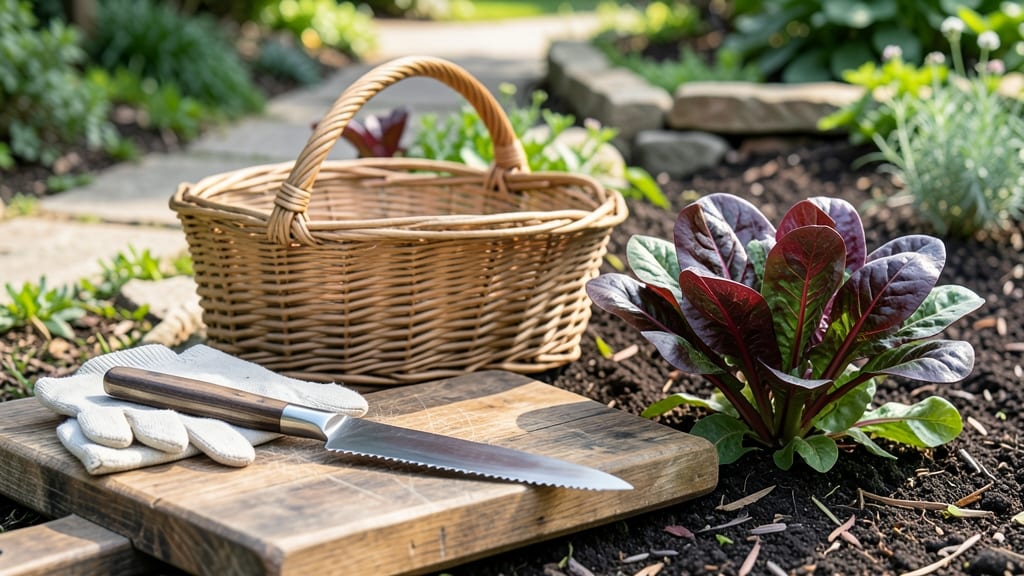
Harvesting red romaine lettuce 🥬 at the right time means the difference between a crisp, flavorful bite and a bitter, limp mess.
Picture this: you’ve nurtured your Red Romaine for weeks, watching it grow from tiny sprouts to deep red, towering heads. But if you wait too long, those perfect leaves turn tough and bitter, or worse, bolt into flower stalks.
The key? A simple leaf-by-leaf test that tells you exactly when to snip for peak flavor.
Timing isn’t just about days since planting—it’s about leaf size, color depth, and even the time of day you harvest. In Zone 6a, that means knowing when to cut in spring’s cool mornings or fall’s crisp evenings to keep those leaves sweet and tender.
Below, I’ll walk you through the visual cues that guarantee a perfect harvest, plus how to avoid the most common mistakes that turn your lettuce into a sad, wilted pile. Ready to pick at the perfect moment?


How to test red romaine lettuce for perfect harvest timing
Harvesting red romaine lettuce at the right moment transforms your garden into a crisp, flavorful feast. Unlike other leafy greens, romaine thrives when you test it leaf by leaf—not just by days since planting. The key lies in visual cues like color depth, leaf size, and stem firmness.
I’ve learned that skipping this test often means bitter, overmature leaves or floppy, underdeveloped ones. Let’s break down the exact signals to watch for and how to adapt for baby lettuce versus full-grown heads.
For baby romaine, timing is even more critical. These tender leaves should be harvested when they’re just 3-4 inches tall, with a vibrant cherry-red hue. Full-grown romaine, on the other hand, needs 6-8 inches of leaf length and a tightly packed head.
The difference between these stages isn’t just size—it’s texture and flavor. A leaf that’s too young will taste bland, while one left too long turns bitter and woody. Mastering this test ensures you’re always picking romaine at its peak.
Step-by-Step Leaf Test for Perfect Harvest Timing
-
Step 1: Check Leaf Color
Look for deep, uniform red (not pale or patchy). Outer leaves should be richest in color—this signals maturity. -
Step 2: Measure Leaf Length
For baby lettuce: 3–4 inches. For full heads: 6–8 inches. Use a ruler or compare to your hand. -
Step 3: Test Stem Crispness
Gently pinch a middle stem. It should snap cleanly with a slight crunch—no bending or mushiness. -
Step 4: Inspect Head Firmness
For full heads, press the center gently. It should feel tight and compact, not loose or hollow. -
Step 5: Taste Test (Optional)
Bite a leaf from the outer edge. Flavor should be crisp, slightly sweet, and free of bitterness.
Pro Tip: Harvest outer leaves first to encourage cut-and-come-again growth. This extends your harvest by 2-3 weeks!
One of the biggest mistakes I see is waiting until the entire head is fully grown before harvesting. By then, the inner leaves often become tough and bitter. Instead, focus on the outer leaves first—they’re the most mature and ready to pick.
This method also lets you enjoy continuous harvests throughout the season, rather than one big cut. For baby romaine, you can even pick leaves as small as 2 inches if you prefer ultra-tender greens.
Temperature plays a sneaky role in harvest timing. In hot weather (above 80°F), romaine bolts faster, so test leaves earlier—around 40 days instead of 45. Conversely, in cool fall months, you can wait up to 60 days for sweeter, slower-growing leaves.
Always check the weather forecast before committing to a harvest date. A sudden heatwave can turn your perfect romaine into a bitter disappointment overnight.
If you’re growing romaine in containers, timing shifts slightly due to limited root space. Container-grown lettuce often matures 5-7 days faster than in-ground plants. Monitor leaves daily after day 35, as they’ll reach harvest size quicker.
The same rule applies to shadier growing conditions: romaine in partial shade may need 10 extra days to develop full color and crispness. Adjust your test schedule accordingly.
For cut-and-come-again harvests, leave the inner leaves intact after picking outer ones. This encourages regrowth for 3-4 additional harvests. However, avoid cutting more than 1/3 of the plant at once, or you’ll stunt future growth.
I’ve found that romaine regrows best when you harvest in the morning after dew has dried but before the sun peaks. This preserves crispness and flavor for days after picking.
When in doubt, prioritize color and texture over size. A deep red leaf with a crisp stem is always ready, even if it’s slightly smaller than expected. Over-mature romaine (beyond 60 days) develops a hollow core and bitter taste—so don’t let it linger in the garden.
The leaf-by-leaf test is your best tool for avoiding this common pitfall. With practice, you’ll intuitively recognize the perfect moment to harvest.
Remember, red romaine lettuce is a cool-season crop, so plan your harvests around spring and fall for the best results. Summer heat stresses the plant, leading to faster bolting and poorer flavor.
By mastering this test, you’ll enjoy crisp, sweet, and vibrant lettuce straight from your garden—no store-bought comparison needed.
Common harvest mistakes that ruin red romaine lettuce flavor
Harvesting your red romaine lettuce at the wrong time can turn that perfect crisp bite into disappointment. Many gardeners assume bigger leaves mean better flavor, but that’s not always true. Overlooking subtle maturity cues leads to two big problems: bitterness from overmaturity and floppy, weak leaves from harvesting too early.
Bitterness develops when lettuce senses heat stress or day length changes, triggering a survival mechanism called bolting. Meanwhile, cutting leaves too soon results in underdeveloped stems and a sad, wilted salad. The key is recognizing the ideal harvest window—when leaves are fully colored but still tender.
⚠️ callout warning ⚠️
1. Yellowing leaf edges = nutrient deficiency from stress.
2. Loose, hollow heads = overmaturity (bolting risk).
3. Bitter taste test = harvest too late (no going back!).
Solution: Harvest when outer leaves reach 6-8 inches and deep red color is consistent.
One of the biggest mistakes is assuming all red romaine varieties mature at the same rate. Some bolt in 45 days, while others take 60 days. Check your seed packet for days-to-maturity and adjust your harvest schedule.
If you’re growing for baby leaves, start picking when leaves are 4-5 inches long—this prevents bolting entirely.
Harvesting too early also weakens the plant. When you cut leaves before they’ve fully developed, the stem core stays underdeveloped, leading to floppy, waterlogged leaves. To avoid this, always harvest outer leaves first, leaving the inner leaves to mature.
This method, called cut-and-come-again, extends your harvest by 3-4 weeks and keeps flavor crisp.
Another overlooked issue is harvest timing based on weather. Hot afternoons cause lettuce to wilt faster, while cool mornings preserve crispness. If you harvest in the midday heat, leaves will lose moisture quickly, making them limp.
Always pick in the early morning when temperatures are lowest for the best texture.
To fix flavor mistakes, start with a taste test. If your lettuce tastes bitter, it’s past its prime. For future harvests, use shade cloth in summer to delay bolting and extend your harvest season.
And if your leaves are floppy? You likely cut too soon—next time, wait until the head is firm and leaves are fully colored.