
How To
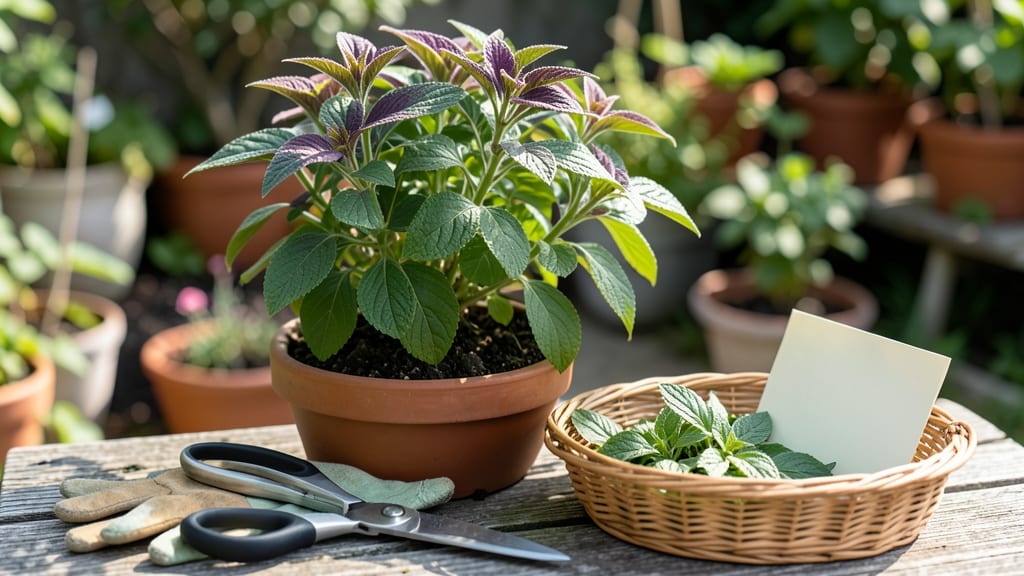
Harvest stevia leaves just before flowering for the sweetest, most potent yield—timing makes all the difference between a bitter disappointment and a sugar substitute goldmine.
Picture this: you’ve nurtured your 🌿 stevia all season, and now it’s standing tall in your garden, ready to reward you. But if you wait too long, those leaves turn bitter, and all that effort goes to waste.
The secret? Knowing exactly when those leaves hit peak sweetness—before the plant even thinks about blooming.
Most gardeners in USDA Zone 6a can start harvesting as early as July, but the real magic happens when the leaves are fully mature—dark green, firm, and about 2-3 inches long.
That’s when the steviol glycosides (the natural sweeteners) are at their highest concentration. Miss this window, and you’re left with leaves that taste more like grass than sugar.
In this guide, I’ll walk you through the leaf-by-leaf ripeness test, the best time of day to harvest, and how to dry and store your stevia to lock in that sweetness for up to two years.
No more guessing—just a foolproof method for turning your garden into a sugar-free treasure chest.
Stevia leaf ripeness stages: how to identify peak sweetness before harvest
Harvesting stevia leaves at the wrong stage can turn your sweet dreams into bitter reality. The key to unlocking maximum sweetness lies in understanding the three ripeness stages—early, mid, and late season—each with distinct visual cues.
I’ve grown stevia for years, and I can tell you: timing is everything when it comes to steviol glycoside content, the compound responsible for that natural sweetness.
Stevia plants start small and tender, but as they mature, their leaves develop the dark green hue and slightly leathery texture that signals peak harvest time. The optimal harvest window occurs just before flowering, when the plant has reached its full height but hasn’t yet diverted energy into seed production.
Missing this window means sacrificing sweetness for bitterness.
Here’s the secret: The most flavorful leaves grow on the middle and upper stems, while the lower leaves tend to be tougher and less sweet. I always focus on harvesting these younger, more tender leaves first, leaving the older ones to keep producing. This method ensures a steady supply of sweet leaves while encouraging the plant to keep growing.
The mid-season stage is where most gardeners make their first harvest, but the late-season leaves—just before flowering—pack the most steviol glycosides. I’ve found that leaves harvested at this stage can be up to 30% sweeter than those picked earlier.
To test ripeness, simply crush a leaf between your fingers and taste it. A fully ripe leaf will have a distinct sweetness with minimal bitterness.
One common mistake I see is waiting too long to harvest. Once stevia starts flowering, the sweetness compounds begin converting into bitter flavonoids, turning your leaves from sweet to sour. Always harvest in the morning after dew has dried to preserve flavor and avoid fungal issues.
This simple habit makes a world of difference in the final taste of your dried stevia.
If you’re growing stevia in containers, the ripening process might be slightly faster due to limited root space. I recommend checking your plants every 7-10 days once they reach 6 inches tall.
For in-ground plants, the timeline stretches a bit longer, but the visual cues remain the same: dark green, firm leaves on a mature plant are your green light to harvest.
Pro tip: Use a sharp pair of scissors or pruning shears to avoid damaging the plant. Cut leaves just above a leaf node to encourage new growth. I always leave at least one-third of the plant intact to ensure it keeps producing sweet leaves for future harvests.
This method has kept my stevia plants thriving for years, yielding a steady supply of sweet leaves.
For those in cooler climates, stevia may slow its growth in late summer, but don’t worry—it’s still worth harvesting if the leaves meet the ripeness criteria. The sweetness compounds don’t disappear; they just concentrate as the plant matures.
Just be sure to bring potted plants indoors before the first frost to protect them from cold damage.
Finally, remember that consistent harvesting encourages bushier growth. By picking leaves regularly, you’ll end up with a more productive plant and a longer harvest season. My stevia plants now produce sweet leaves from mid-summer through early fall, thanks to this simple practice.
With these ripeness cues in mind, you’ll never miss the perfect moment to harvest again.
Best time of day and season for harvesting stevia leaves
Timing your stevia harvest correctly transforms bitter leaves into the sweet, natural sugar substitute you love. The right season and daily conditions make all the difference in preserving those precious steviol glycosides.
Whether you're in a temperate zone or tropical climate, knowing when to pick ensures maximum sweetness and yield.
For temperate climates like USDA Zone 6a, aim for late summer—typically July through September—when your stevia plant has matured but hasn’t yet flowered. In tropical regions, you can harvest year-round, but focus on dry seasons when sweetness peaks.
The key is always harvesting before flowering, as this is when the leaves contain the highest concentration of natural sweeteners.
- Season: Harvest in late summer (July-Sept) for temperate zones or during dry seasons in tropical climates. Avoid harvesting after the first frost, as cold damages sweetness compounds.
- Time of Day: Pick leaves in the morning after dew has evaporated but before 10 AM. This preserves sweetness and prevents fungal growth from evening moisture.
- Plant Maturity: Wait until plants are 6-8 inches tall with dark green, firm leaves. Younger leaves are milder but less sweet, while overmature leaves turn bitter.
- Climate Zones: In tropical zones, harvest continuously every 4-6 weeks year-round. In cooler zones, harvest only during the growing season (April-October).
- Avoid: Never harvest after flowering begins, as sweetness drops by 30-50%. Also skip harvesting on rainy days, as excess moisture dilutes sweetness compounds.
Morning is the best time of day to harvest stevia because the leaves are fully hydrated but free of dew. This reduces the risk of fungal infections while preserving the natural sweetness. If you must harvest later in the day, wait until afternoon sunlight has dried any morning moisture.
Avoid harvesting in the evening, as nighttime dew can leave leaves damp and prone to spoilage.
In temperate climates, focus on late summer harvests when stevia plants are at their peak. If you miss this window, you can attempt a fall harvest before the first frost, but sweetness may be 20-30% lower.
In tropical climates, stevia grows year-round, so you can harvest every 4-6 weeks as long as you avoid rainy seasons. Always prioritize dry, sunny days for the best results.
Pro tip: Test your stevia leaves for sweetness by gently crushing a few between your fingers. If they taste intensely sweet, they’re ready for harvest. If they’re bitter or bland, wait another week. This simple taste test ensures you’re harvesting at the perfect moment for maximum sweetness.
After harvesting, dry your stevia leaves quickly and thoroughly to lock in sweetness. Spread them on a screen or mesh tray in a shady, well-ventilated area for 1-2 weeks. Proper drying prevents mold and preserves those precious steviol glycosides for up to 2 years of storage.