
How To
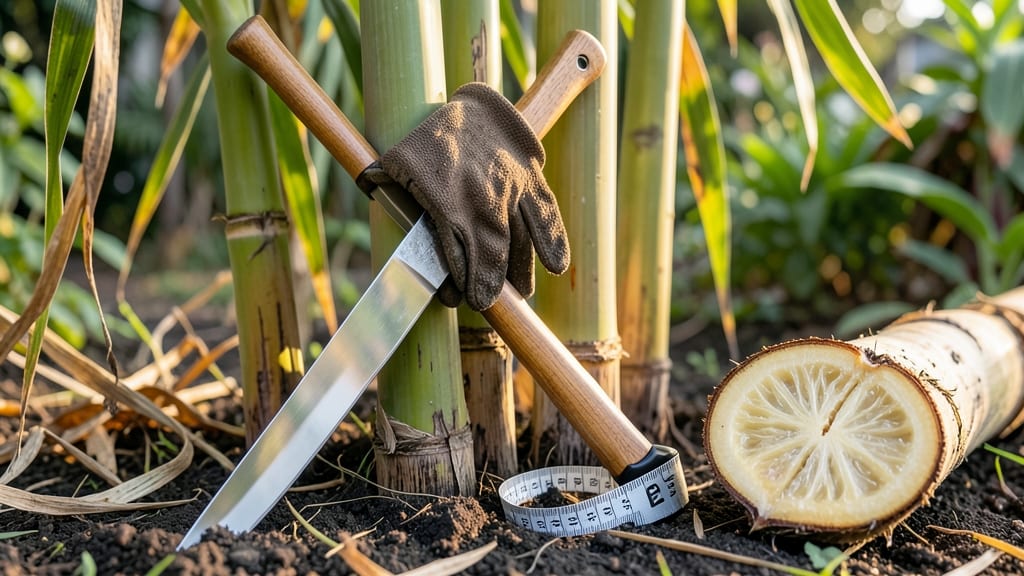
Harvesting sugar cane at the right time means the difference between thick, golden syrup and bitter stalks that birds strip bare in days.
Picture this: you’ve nurtured your 🌱 sugar cane for over a year, watching it grow from a stubby shoot to towering stalks—only to wake up one morning and find the tops chewed off by hungry birds.
Or worse, you cut into a stalk expecting sweet juice and get a mouthful of grassy disappointment. The good news? You can avoid both with three simple tactile tests that tell you exactly when to harvest for peak sweetness.
In tropical and subtropical zones (10-12, or 9b+ with protection), sugar cane matures between 12-18 months, but waiting too long turns those stalks woody and unpalatable. Below, I’ll walk you through how to check stalk thickness, leaf color, and juice flow—plus how to outsmart birds before they do.
No guesswork, just crisp, sweet stalks ready for syrup or fresh chewing.
Ready to turn your harvest into a golden reward? Let’s dive into the three foolproof signs your sugar cane is begging to be cut—and how to act fast before the birds beat you to it.
3 Tactile tests to determine sugar cane harvest readiness
Harvesting sugar cane at the right moment transforms your garden into a sweet treasure trove—but timing is everything. If you harvest too early, the stalks will be watery and underdeveloped, while waiting too long risks bitter, fibrous stalks that birds will devour faster than you can blink.
The secret lies in these three tactile tests that let you feel, see, and taste your way to peak sweetness.
Unlike many crops where harvest cues are purely visual, sugar cane demands a multi-sensory approach. You’ll need your eyes for leaf color, your fingers to gauge stalk firmness, and your taste buds to confirm juice sweetness.
These tests work for both tropical varieties and subtropical gardeners growing in zones 9b-12, ensuring you never miss the window between 12-18 months of growth.
-
1
Stalk Thickness Test
Press your thumb and forefinger against a mature stalk. If it feels firm but yields slightly (like a ripe avocado), it’s ready. Thin stalks (under 1.5 inches in diameter) need more time, while overly hard stalks (2+ inches) may be past prime.
-
2
Leaf Color Transition
Observe the top 3-4 leaves. Ready-to-harvest stalks show golden-brown or crispy edges on older leaves, while new leaves stay green. If 70%+ of leaves are still lush green, wait 2-4 weeks. Fully brown leaves signal overripe stalks.
-
3
Juice Flow & Sweetness Test
Cut a small section of stalk and squeeze the inner pith. Ready cane releases thick, syrupy juice that coats your fingers. Watery juice means it’s too early; bitter or stringy juice means it’s past its prime. Pro tip: Taste a drop—sweetness should be immediate and rich.
For subtropical gardeners in Zone 9b, combine these tests with frost watch. Sugar cane can’t tolerate temps below 32°F, so harvest at least 2 weeks before the first expected frost—even if the stalks aren’t perfect.
In tropical zones (10-12), time your harvest during the dry season when stalks mature faster due to reduced stress.
One common mistake? Relying only on stalk color. Some varieties (like Q117) stay green longer but still reach sweetness. That’s why the juice test is non-negotiable—it’s the only way to taste-test maturity without destroying the plant.
I once waited for stalks to turn fully brown, only to find the juice was bitter and thin—a costly lesson!
Pro growers also check the base of the stalk for root development. If roots are shriveled or pulling away from the soil, the plant is stressed and past prime.
Healthy roots should feel plump and white, clinging tightly to the soil. This final check ensures your cane isn’t starving for nutrients while you wait for sweetness.
After confirming harvest readiness, act within 24-48 hours. Sugar cane’s sucrose content drops rapidly once stalks stop growing. Use a sharp machete or pruning saw to cut stalks at the base, leaving 1-2 inches of stubble to encourage regrowth for next season.
Bundle stalks and store them in a cool, shaded area (60-70°F) until processing.
For small-scale gardeners, harvest every 2-3 weeks once stalks reach maturity to maintain a steady supply. Larger plots can wait 3-4 weeks, but monitor birds closely—they’ll strip stalks in hours once they sense sweetness. Cover ripe cane with lightweight netting if birds are a problem in your area.
Remember: The perfect sugar cane stalk combines firmness, golden leaves, and syrupy juice. When all three tests align, you’ve hit the sweet spot—just in time to outsmart the birds and unlock that homemade syrup potential you’ve been dreaming of.
How to prevent birds from stripping your cane before harvest
Birds have a knack for zeroing in on your sugar cane the moment it reaches peak sweetness. One morning, you might notice missing leaf tips or chewed stalks—a clear sign your hard work is being snacked on.
The key to protecting your crop lies in a mix of physical barriers, timing strategies, and natural deterrents that work whether you're growing a few stalks or a full field.
In my Zone 11 garden, I’ve lost entire harvests to European starlings and monk parakeets before mastering these methods. The worst part? Birds target the tender growing tips, which are also where the sweetest juice forms.
Without intervention, they’ll strip your stalks down to the woody base in days, leaving you with nothing but bitter, unusable cane.
Here’s the good news: with the right approach, you can outsmart birds while still harvesting at the perfect time. The secret is combining protective netting with strategic harvest timing and repellent tactics that don’t harm your plants or local wildlife.
If you wait until your sugar cane stalks turn golden-brown (the ideal harvest sign), birds will have already stripped the top 12-18 inches of every stalk. This means no sweet juice and reduced syrup yield. My rule? Harvest 2-3 weeks before the stalks fully mature if birds are active in your area. This gives you peak sweetness while keeping the growing tips safe.
Pro Tip: Test juice sweetness by cutting a small stalk section—if it’s thick and syrupy, harvest immediately. If it’s still watery, wait 3-5 days and check again.
For small gardens, lightweight bird netting (with 1-inch mesh) draped over individual stalks is your best bet. I use floating row covers secured with bricks or clips—just make sure to remove them during harvest so you don’t damage the stalks.
In larger plantings, hoop houses or permanent netting arches create a bird-free zone while allowing full sun and airflow.
Timing your harvest can also reduce bird interest. Birds are less active during cool mornings (below 60°F) and late afternoon. If possible, harvest before dawn or after sunset when birds are roosting. In my experience, early morning harvests yield the sweetest juice and minimize bird interference.
Natural repellents like reflective tape or old CDs hung from strings can scare off birds without harming them. The flashing light and movement confuse their feeding patterns. For a long-term solution, try planting bird-repellent herbs like lavender or rosemary around your sugar cane—birds dislike their strong scents.
I’ve also had success with predator decoys (like plastic owls) moved weekly to keep birds guessing.
Remember, the goal is to balance protection with harvest timing. If you net too late, birds will still find a way in. And if you harvest too early, you’ll miss the peak sweetness window.
Start protecting your stalks when they reach 3 feet tall, and you’ll save your harvest while keeping those golden syrup dreams alive.