
Vegetables
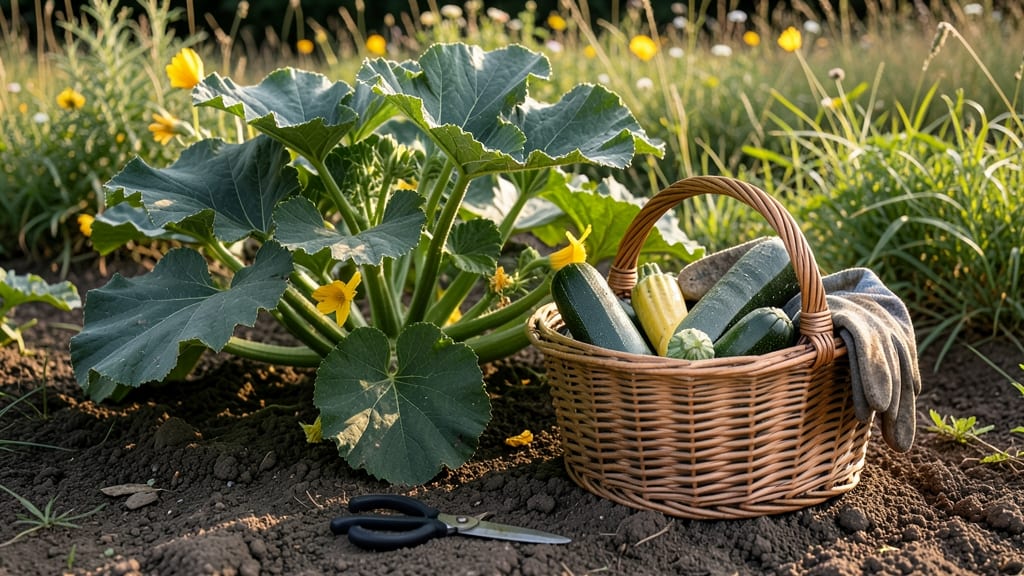
Harvesting zucchini at the right moment transforms a garden glut into tender, flavorful meals—so timing is everything.
Picture this: you’ve been watching your 🎃 plants explode with fruit, and suddenly the kitchen counter is buried under zucchini the size of baseball bats. Too late! The key to avoiding this fate is knowing when to pick them—before they turn tough and seedy.
Below, I’ll walk you through three simple tactile tests to nail the perfect harvest window every time, plus how to use (or store) what you pick.
Why does this matter? Zucchini harvested too early lack sweetness, while overripe ones become fibrous and bitter. Worse, delayed picking stresses the plant, cutting future yields. The good news? With just your fingers and a little practice, you’ll never guess again.
Ready to go from zucchini overload to peak-season perfection? Here’s how to tell when your harvest is ready—down to the texture and size.
3 Tactile tests to determine when zucchini are perfectly ripe
Harvesting zucchini at the right moment transforms your garden bounty from bland to bursting with flavor. The key lies in your hands—literally! These three tactile tests let you feel, touch, and even bend your zucchini to uncover the perfect harvest window.
No guesswork, just garden-ready confidence every time you reach for your pruners.
Overripe zucchini develop tough, fibrous flesh and oversized seeds, while underripe ones lack sweetness and texture. Mastering these simple tests ensures you pick at peak tenderness, maximizing both taste and yield.
Whether you're a seasoned gardener or a first-timer, these methods work for all zucchini varieties, from classic green to golden or round types.
Grab a zucchini from your plant and let’s start with the first test—this one’s about stem separation. The way the stem detaches from the fruit reveals exactly how ripe (or unripe) your zucchini truly is.
This method alone can cut harvesting mistakes in half, saving you from bitter disappointments.
🌱 3 Tactile Tests for Perfectly Ripe Zucchini
-
1. Stem Separation Test
Gently twist the stem—if it snaps cleanly at the base, your zucchini is ready to harvest. A stubborn stem means it’s not ripe yet. -
2. Skin Texture Test
Press your thumbnail into the skin. If it yields slightly but doesn’t bruise, it’s perfect. Soft skin = underripe; tough skin = overripe. -
3. Seed Development Test
Cut open the blossom end—seeds should be small and pea-sized. Large, mature seeds mean the zucchini has passed its prime.
Next up is the skin texture test, where your thumb becomes your most valuable tool. Zucchini skin should feel firm yet slightly yielding—like the back of your hand when you press gently.
If it bruises easily, it’s underripe; if it feels like sandpaper, it’s overripe. This test is especially useful for dark green or striped varieties, where color alone can be misleading.
Don’t overlook the seed development test, which reveals what’s happening inside your zucchini. A quick slice at the blossom end shows whether the seeds are still tiny and undeveloped (ideal) or already large and mature (too late).
This test is crucial for continuous harvests, as it helps you time your picks to keep the plant producing.
Here’s a bonus: use these tests to extend your harvest season. If you notice your zucchini maturing faster in hot weather, check them every other day instead of weekly.
Conversely, cooler temps slow ripening—so you can space out your checks. Consistency is key to avoiding a sudden flood of overripe zucchini.
Remember, zucchini are self-pollinating, meaning each flower can produce a fruit without help. But once harvested, the plant will keep producing—so long as you stay on top of ripeness.
The more you practice these tactile tests, the more intuitive it becomes. Soon, you’ll be harvesting like a pro, with zucchini that’s sweet, tender, and ready for any recipe.
Pro tip: Keep a small harvest basket near your garden. As soon as a zucchini passes all three tests, snip it off with clean pruners or a sharp knife. This not only ensures quality but also encourages more production—zucchini plants reward frequent harvesting with bigger yields.
Now that you’ve got the tactile tests down, you’re ready to transform your garden into a zucchini powerhouse. Happy harvesting, and may your kitchen (and neighbors) always have a steady supply of perfectly ripe zucchini! 🎃
How zucchini size affects flavor and texture (with ideal harvest windows)
Zucchini size plays a huge role in flavor and texture—harvest too early, and you’ll get bland, watery fruit; too late, and you’re left with tough, seedy monsters. The sweet spot? 6-8 inches long, where tenderness and flavor peak.
But even within that range, subtle differences matter. Let’s break down how size impacts your harvest and how to use each stage for the best results.
At 4-6 inches, zucchini are still young and tender but lack full flavor development. Their skin is thin and bruises easily, while seeds remain tiny and underdeveloped. These are best for delicate dishes like raw salads or quick sautéing, but they won’t hold up well to grilling or baking.
Think of them as the "baby" stage—great for creative recipes but not ideal for classic zucchini dishes.
| Size Range | Flavor Profile | Texture | Seed Development | Best Uses |
|---|---|---|---|---|
| 4–6 inches | Mild, slightly sweet | Very tender, soft skin | Tiny, underdeveloped | Raw salads, quick sautés |
| 6–8 inches | Sweet, nutty, peak flavor | Firm yet tender | Small but visible | Grilling, roasting, baking |
| 8+ inches | Bitter, fibrous | Tough, woody | Large, developed | Soup, bread, or compost |
When zucchini reach 6-8 inches, they hit their prime—this is the golden window for harvesting. Their flavor is sweet and nutty, the skin is firm but still tender, and seeds are just starting to develop.
These are perfect for grilling, roasting, or spiralizing into noodles. Pro tip: Harvest in the morning when sugars are highest, and use a sharp knife to avoid bruising the fruit or damaging the plant.
Beyond 8 inches, zucchini take a sharp turn for the worse. The skin thickens, the flesh becomes fibrous and bitter, and seeds grow large and mature. While these can still be used—think zucchini bread or soups—they’re far less enjoyable.
Overripe zucchini also signal the plant to reduce future production, so harvesting late means fewer fruits later in the season. If you find yourself with giant zucchini, consider saving seeds or composting them to avoid overloading your garden.
For bush varieties, which grow more compactly, aim for the 6-inch mark to encourage continuous fruiting. Vining types, like traditional zucchini, can handle slightly larger sizes but still peak at 6-8 inches.
Pay attention to your plant’s growth pattern—if it’s struggling to keep up, harvest on the smaller side to prevent stress. With practice, you’ll develop a feel for when your zucchini are at their best, ensuring a steady supply of tender, flavorful fruit all season long.
Remember, the key to zucchini success is consistent harvesting. Check your plants every 2-3 days during peak season, and you’ll avoid the dreaded "zucchini tsunami." The more you pick, the more your plant will produce—so grab those gloves and get harvesting!