
How To
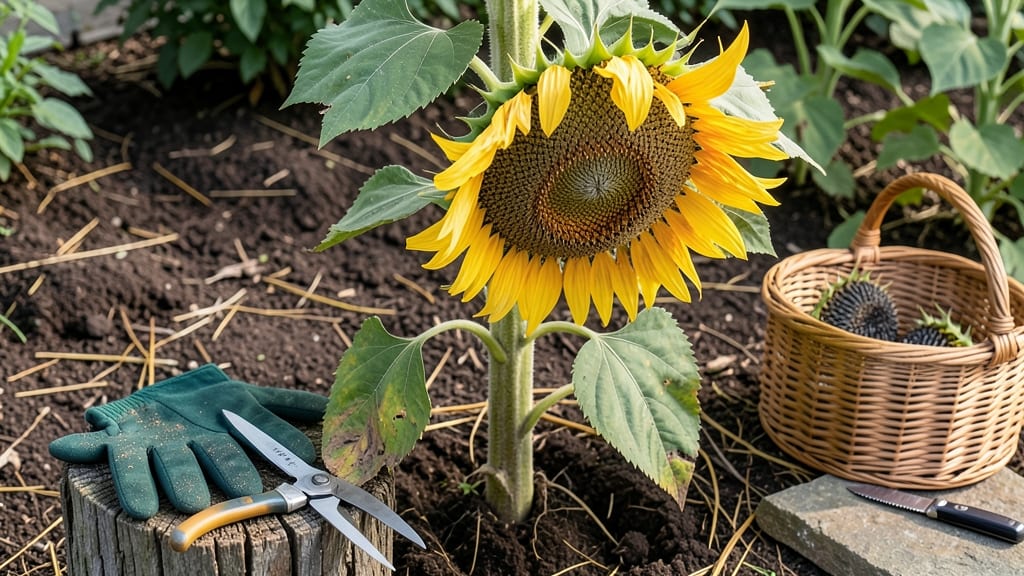
Harvesting sunflower heads for seeds happens when the back of the head turns brown and the stems dry completely 🌻 — a moment you don’t want to miss if you’re saving seeds for next year’s garden.
Picture this: your towering sunflowers have spent all summer soaking up the sun, and now their petals are wilted, the seed heads are papery, and a gentle shake releases a rattling chorus of seeds inside. That’s your cue to act before frost or birds beat you to it.
Timing matters because harvesting too early means immature seeds that won’t sprout, while waiting too long risks frost damage or seed loss. In Zone 6a, aim for late August to early October, but watch for the first signs—dry stems and brown centers—rather than relying on the calendar alone.
Below, I’ll walk you through the exact visual cues to look for, how to test seed readiness, and what to do if you’re late to the party. No more guessing—just reliable, foolproof methods for saving seeds that’ll grow into next year’s giants.
Key visual & physical signs your sunflower heads are ready for seed harvest
Harvesting sunflower seeds at the right time ensures high germination rates and healthy plants next season. The most reliable indicators focus on the flower head and stem—both give clear signals when seeds are fully mature.
I’ve learned that ignoring these cues often leads to seeds that either won’t sprout or are too damp for storage.
First, watch for the back of the head turning from green to dry brown. This is your primary visual cue that the seeds inside are ready.
The petals should also be mostly fallen or wilted, leaving the seed head exposed. If you see vibrant petals still standing, the seeds aren’t mature yet.
The stem dryness is another critical sign. A mature sunflower stem will feel brittle and dry—almost like a straw—when you gently bend it. If it snaps easily, that’s a good indication the seeds are ready.
I always test this by holding the stem near the base and applying slight pressure.
Here’s a quick fingernail test I use: Press your fingernail into the seed head. If the seeds inside feel hard and dry (like tiny marbles), they’re harvest-ready.
If they’re still soft or squishy, wait a few more days. This method saves me from harvesting too early and dealing with moldy seeds later.
| Sign | Description | Action |
|---|---|---|
| Back of Head Color | Dry brown (not green) | Harvest within 1-2 days |
| Petals | Mostly fallen or wilted | Cut stem 1-2 inches above head |
| Stem Condition | Brittle, snaps easily | Hang head upside down to dry |
| Seed Test | Hard seeds (no squish) | Remove seeds, store in cool place |
| Rattle Test | Seeds rattle when shaken | Proceed with harvest |
Seasonal timing varies by climate zone. In warmer regions (like USDA Zones 8-10), sunflowers often mature by late September, while cooler zones (like Zones 3-5) may need to harvest by mid-September to avoid frost damage.
I’ve found that early morning harvests prevent seeds from absorbing dew, which keeps them drier and less prone to mold.
One common mistake is waiting until the entire head is completely brown and crispy. While this might seem ideal, overripe seeds can shrink in size and lose viability.
Aim for that papery brown stage—when the head feels light and hollow. This balance ensures you get the largest, most vigorous seeds for next year’s garden.
If you’re unsure, I recommend harvesting a few heads early as test samples. Let them dry indoors for a week, then crack them open to check the seeds.
If they’re plump and hard, you’re ready. If they’re still soft or green, wait another 3-5 days before harvesting the rest of your crop.
For giant varieties (like ‘Mammoth’), the heads can take 100-120 days to mature, while dwarf varieties (like ‘Teddy Bear’) may be ready in 60-80 days. Always check the seed packet for specific maturity times, as this can vary even among sunflower types within the same family.
Finally, keep an eye on the weather forecast. If frost is predicted within 3-5 days, harvest immediately—even if the seeds aren’t fully mature. While these seeds may not be ideal for long-term storage, they can still be roasted or used in bird feeders.
Proper timing is about balancing patience with preparedness!
🌻
Step-by-step guide to harvesting, drying, and storing sunflower seeds for planting
Once you’ve spotted those brown, papery seed heads and dry stems, it’s time to act fast! Harvesting sunflower seeds at the right moment ensures high germination rates and saves you from wasted effort.
I’ll walk you through every step—from cutting the heads to storing seeds—so you’re ready for next year’s garden.
Start by gathering your tools: a sharp pair of pruning shears, a clean bucket, and a dry workspace. The goal is to preserve seed viability while removing moisture and debris. Skipping these steps can lead to moldy seeds or poor sprouting, so let’s get it right the first time!
How to Harvest Sunflower Heads for Seeds
-
Step 1: Wait for the back of the head to turn brown
Use the fingernail test: press a seed—if it’s hard and doesn’t dent, it’s ready.
-
Step 2: Cut the head with 2-3 inches of stem
Use clean shears to avoid damaging the head or introducing disease.
-
Step 3: Hang heads upside down in a dry, dark place
Choose a spot with good airflow (like a garage or shed) to dry for 2-4 weeks.
-
Step 4: Rub seeds free from the head
Spread a towel and rub the dry head to release seeds—discard chaff and debris.
-
Step 5: Store seeds in an airtight container
Add a desiccant packet to prevent moisture buildup and label with the harvest date.
After harvesting, never skip the drying phase—moisture kills seeds! Place heads in a well-ventilated area (like a mesh bag) for 2-4 weeks. If you’re impatient, speed up drying with a fan on low heat, but avoid direct sunlight or heat sources, which can crack seed shells.
To test seed quality before planting, fill a glass with water and drop in a handful of seeds. Viable seeds sink (good!), while floaters are nonviable. Aim for at least 90% sinking seeds for reliable germination.
Store containers in a cool, dark place (like a fridge) to extend viability to 3-5 years.
Avoid these common mistakes: harvesting too early (seeds won’t ripen), storing seeds in plastic bags (traps moisture), or ignoring pest risks (like rodents). With these steps, you’ll have plump, ready-to-plant seeds for next season’s sunflowers!