
How To
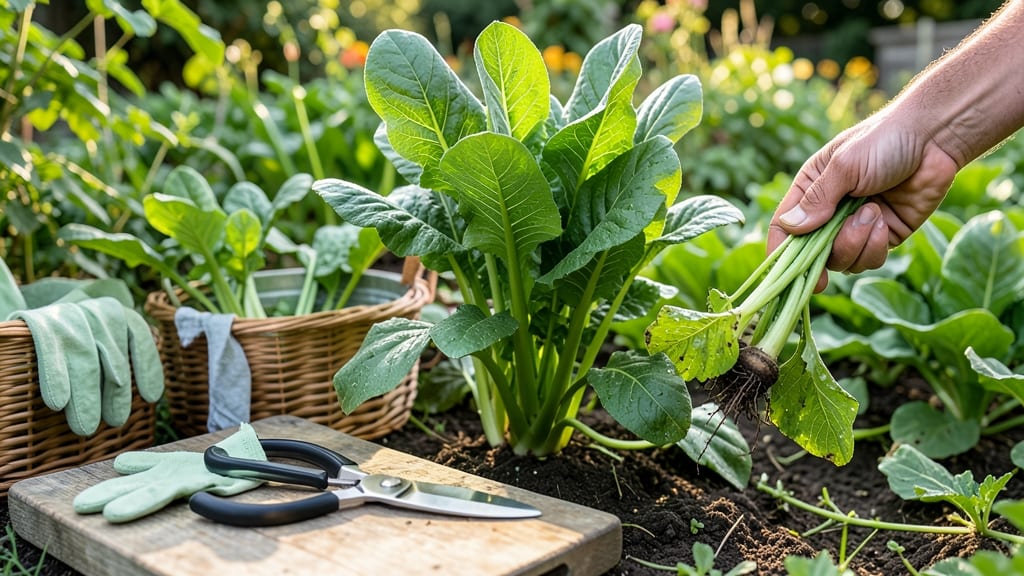
Harvest turnip greens when the outer leaves reach 4-6 inches and feel crisp but tender, usually 30-50 days after planting 🥬 — timing them right means the difference between sweet, vibrant greens and tough, bitter scraps.
Picture this: you’ve nurtured your turnip greens for weeks, and now the moment of truth arrives. One wrong cut and you’re left with a sad, leggy plant or flavorless leaves. The key is knowing the exact signs of readiness, from leaf size to color, so you don’t miss the window.
In zones like 6a, your spring crop should be ready by late May, while fall harvests wrap up by November. But don’t wait too long — once the plant bolts or flowers, the leaves turn bitter and tough, ruining your harvest before it even makes it to the pot.
Below, I’ll walk you through the leaf-by-leaf cues, the best tools to use, and how to harvest without killing the plant — so you can enjoy a steady supply of flavorful greens all season long.
Signs your turnip greens are ready for harvest (leaf-by-leaf guide)
Harvesting turnip greens at the right time transforms your garden into a flavor factory. The key lies in observing leaf size, color intensity, and stem thickness—each tells a different story about your greens' readiness.
Baby leaves and mature leaves offer distinct textures and flavors, so knowing when to pick each ensures your dishes stay delicious and tender.
Turnip greens typically reach harvest readiness between 30 to 50 days after planting, but don't rely solely on days. Instead, focus on the visual cues that signal peak flavor and tenderness.
For example, outer leaves that are 4-6 inches long with vibrant green hues are often the first to be ready, while inner leaves may need more time to mature.
Here’s how to break it down leaf by leaf: younger, outer leaves are best harvested when they’re tender and crisp, while older, inner leaves develop a bolder flavor and slightly tougher texture. The secret? Harvest outer leaves first to encourage continuous growth of the inner, more flavorful leaves.
Pay close attention to the stem thickness of your turnip greens—it’s a telltale sign of maturity. Thicker stems (about 1/8 to 1/4 inch) indicate that the leaves have fully developed their flavor.
Thin stems, on the other hand, suggest the greens are still too young and may lack the depth of taste you’re craving.
Another critical cue is the leaf color. Vibrant, deep green leaves are a surefire sign of readiness, while leaves with yellowing edges or brown spots are past their prime.
These color shifts often signal that the greens have bolted or are stressed, which can make them bitter and less enjoyable to eat.
Don’t overlook the plant’s overall health—a thriving turnip green plant will have multiple mature leaves radiating from the center. If the plant looks stunted or leggy, it may not be getting enough sunlight or nutrients.
In this case, address the underlying issue before harvesting to ensure the best flavor and texture.
For the best results, harvest your turnip greens on a cool morning after any dew has evaporated. This timing minimizes stress on the plant and keeps the leaves crisp.
Use a sharp pair of scissors or pruning shears to cut leaves just above the base, leaving at least 2-3 inches of stem to encourage regrowth.
If you’re unsure whether your turnip greens are ready, perform the "squeeze test". Gently pinch a leaf between your fingers—if it feels crisp and resists slight pressure, it’s ready.
If it collapses or feels mushy, it’s either too young or overripe. This simple test can save you from harvesting greens that are less than ideal.
Remember, turnip greens are a cut-and-come-again crop, meaning you can harvest outer leaves repeatedly while the inner leaves continue to mature. This method ensures a steady supply of fresh greens all season long, as long as you’re mindful of the leaf-by-leaf cues we’ve covered.
By mastering these visual and tactile indicators, you’ll transform your turnip greens from garden curiosity to kitchen star—ready to elevate soups, salads, and sautés with their peak flavor and texture. 🥬✂️
Best harvesting practices to maximize turnip green flavor and regrowth
Harvesting turnip greens at the right time ensures you get the best flavor and encourage the plant to keep producing. The key is to pick leaves before they mature too much, which is when they start tasting bitter.
I always aim to harvest when the leaves reach 4-6 inches long, as this is when they're most tender and packed with nutrients.
For continuous harvests, focus on the outer leaves first. These are the largest and oldest, leaving the younger inner leaves to keep growing. This method protects the plant's center, allowing it to regrow leaves faster and more efficiently.
I’ve found that harvesting this way can extend my turnip green season by 3-4 weeks compared to cutting everything at once.
Timing your harvests also matters. The best time of day to pick turnip greens is in the morning after dew has dried. This ensures the leaves are crisp and full of moisture, which translates to better flavor.
Harvesting in the afternoon or evening can leave leaves wilted and less flavorful by the time you use them.
Harvest turnip greens when they're 4-6 inches long and vibrant green. Use clean, sharp pruning shears or scissors to cut leaves 1 inch above the stem—this prevents damage to the root and encourages faster regrowth. Avoid pulling leaves, as this can uproot the plant.
Frequency is another critical factor. I recommend harvesting turnip greens every 2-3 weeks during their peak growing season. This balance ensures you get a steady supply of fresh greens while allowing the plant to recover. Over-harvesting can stress the plant, leading to bitter-tasting leaves or even stunted growth.
Seasonal timing also plays a role in flavor. Turnip greens grown in cool weather (50-70°F) develop the best flavor. If you're harvesting in hot summer months, expect the leaves to taste milder and slightly less sweet.
For the most flavorful greens, aim to harvest in spring or fall, when temperatures are cooler and the days are shorter.
After harvesting, store your turnip greens properly to maintain their freshness. Wrap them loosely in a damp paper towel and place them in a resealable plastic bag in the fridge. This method keeps them crisp for up to 5-7 days.
For long-term storage, consider freezing harvested leaves in an ice cube tray with water or olive oil to preserve their nutrients.