
How To
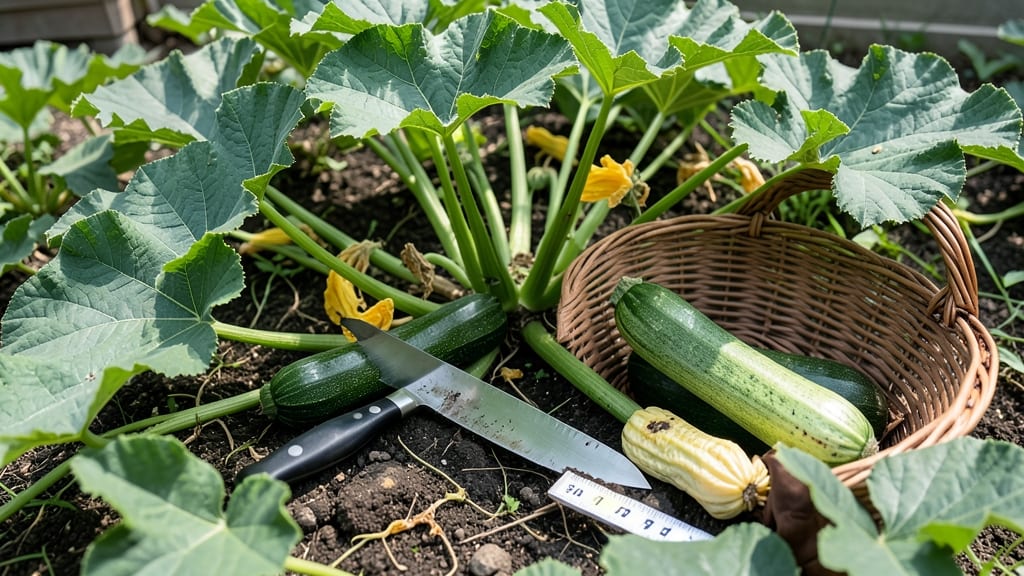
Harvesting zucchini at the right time means the difference between a crisp, tender 🎃 and a tough, seedy disappointment.
Nothing beats the satisfaction of harvesting homegrown zucchini—except the disappointment of finding your garden raided by birds or discovering overripe squash that’s gone seedy and mealy. Timing is everything, and these 3 simple tactile tests will help you know exactly when to pick your zucchini for peak flavor and texture.
Zucchini grows fast, especially in warm weather, so missing the window by even a day or two can turn your harvest into a mushy mess.
The key is checking for firm skin, a clean stem snap, and that deep green hue—all signs your zucchini is ready to go from garden to kitchen.
In this guide, I’ll walk you through the exact cues to look for, how often to check your plants, and even how to store your harvest so it stays fresh longer. No more guesswork—just perfect zucchini, every time.
3 Tactile tests to determine perfect zucchini harvest time
Timing your zucchini harvest can make the difference between a crisp, tender vegetable and a woody, seedy disappointment. Unlike some garden crops, zucchini doesn’t give you much wiggle room—miss the window by even a few days, and you’ll end up with overgrown monsters that are tough to slice.
The good news? You don’t need fancy tools or complicated charts to know when it’s time to pick. These three simple tactile tests will give you the confidence to harvest at peak perfection every time.
I’ve learned the hard way that waiting too long leads to bird raids and mealy interiors, while harvesting too early means sacrificing flavor. The secret lies in combining visual cues with hands-on checks.
Start by examining the skin firmness, then move to the stem snap test, and finally check the seed development. Each test builds on the last, giving you a foolproof system that works even for beginners.
Before you grab your pruners, let’s tackle the most reliable method first: the skin firmness test. This is where most gardeners go wrong—they assume size alone determines ripeness, but texture tells the real story. A ripe zucchini should feel slightly firm when you press it gently with your thumb.
If it leaves an indentation, it’s not ready yet. But if the skin resists your pressure, you’re in the harvest zone.
The stem snap test is my go-to because it’s instant and doesn’t require cutting into the fruit. Simply bend the stem near where it meets the zucchini. If it snaps cleanly with a slight resistance, you’ve hit the sweet spot. A dry, woody break?
That’s your warning that the zucchini has passed its prime. I’ve seen gardeners overlook this test and end up with zucchini so tough they could use them as baseball bats. Trust me, the snap test saves more harvests than any other method.
Now, let’s talk about the seed development check, which is where things get scientific. Cut the zucchini open at the blossom end (the end that was attached to the flower). If the seeds are tiny and pale yellow, you’re golden—harvest time!
But if you see large, dark seeds, the zucchini has been on the vine too long. These seeds develop as the fruit matures, and once they’re visible, the flesh becomes mealy and stringy.
This test is especially useful for round zucchini varieties, which can hide their ripeness behind a deceptive exterior.
What happens if you miss the window? Don’t panic—overripe zucchini can still be used, but you’ll need to get creative. The good news is that they’re perfect for bread, muffins, or even pickling. I’ve turned many a football-sized zucchini into delicious zucchini bread.
But if you want that tender, fresh-from-the-vine texture, stick to the tactile tests. Harvesting at the right time also encourages your plants to produce more flowers and fruits, giving you a longer harvest season.
One common mistake I see is waiting until zucchini reach giant proportions before harvesting. While some gardeners swear by letting them grow large for storage, those massive zucchini often have bitter, fibrous flesh. Instead, aim for 6–8 inches in length for standard varieties.
For pattypan or round zucchini, the size may vary, but the tactile tests remain the same. Always prioritize texture over size—your taste buds will thank you.
Pro tip: Set a daily reminder to check your zucchini plants, especially during peak production. I like to do this first thing in the morning when the fruits are cool and firm. Avoid harvesting after a hot day, as the skin can feel softer due to heat stress.
And always use a sharp pruner or knife to avoid damaging the plant. Leave a 1-inch stem attached to prevent rot and encourage new growth.
Remember, the key to zucchini success is consistency. The more you harvest at the right time, the more your plants will produce. And if you ever find yourself with an overabundance, share the bounty with neighbors or preserve extras through freezing or dehydrating.
Happy harvesting—your garden (and your dinner table) will thank you! 🎃
How to prevent overripe zucchini: daily checks and storage tips
Zucchini grows faster than you might think—sometimes overnight—so even a 24-hour delay can turn a perfect harvest into a mushy, seedy disappointment. The key to preventing overripe zucchini lies in daily inspections and smart storage.
Once picked, zucchini continues to ripen, losing its tender texture and developing bitter seeds within just a few days if left unchecked.
I’ve learned the hard way that skipping even one morning check can mean the difference between a crisp, flavorful squash and one that’s too tough for grilling or slicing. The good news?
With a simple 5-minute daily routine and a few storage tricks, you can extend your zucchini’s freshness for up to 2 weeks after harvest. Let’s break down how to keep your zucchini in peak condition.
⚠️ Don’t Miss the Window!
Harvest zucchini when:
- 📏 6–8 inches long (smaller varieties may be ready earlier)
- 🟢 Deep green, glossy skin (no yellowing or dull patches)
- ✂️ Stem snaps cleanly when bent (no resistance)
Warning: If you wait until zucchini reaches 10+ inches, seeds will harden, and flesh becomes woody and bitter. Check plants every 2–3 days during peak growing months (June–August).
Start your daily routine by running your fingers along the zucchini’s skin—ready-to-harvest squash should feel firm but slightly yielding, like a ripe avocado. Press gently with your thumb; if it leaves a slight dent, it’s not quite time.
But if the skin springs back immediately? That’s your cue to grab the pruners. I like to harvest in the morning when temps are cooler, which helps preserve freshness.
For storage, never refrigerate fresh zucchini—the cold turns its starches to sugar, making it mealy. Instead, store whole, unwashed zucchini in a paper bag in the crisper drawer (or a ventilated cardboard box on the counter).
The ethylene gas trapped inside slows ripening, giving you 1–2 extra days of freshness. If you’ve already sliced or grated your zucchini, store it in an airtight container with a damp paper towel to retain moisture.
Pro tip: Freeze extras for later! Slice zucchini into ½-inch rounds, blanch for 2 minutes, then spread on a tray to freeze. Once solid, transfer to a ziplock bag and store for up to 6 months.
This is my go-to method for avoiding waste when the garden produces more than I can use fresh.
Remember, consistency is key. The more often you check your plants, the less likely you’ll end up with a zucchini forest in your garden. And if you do find an overripe one, don’t toss it—roast the seeds for a spicy snack or compost the flesh.
Every part of the plant has a purpose!