
How To
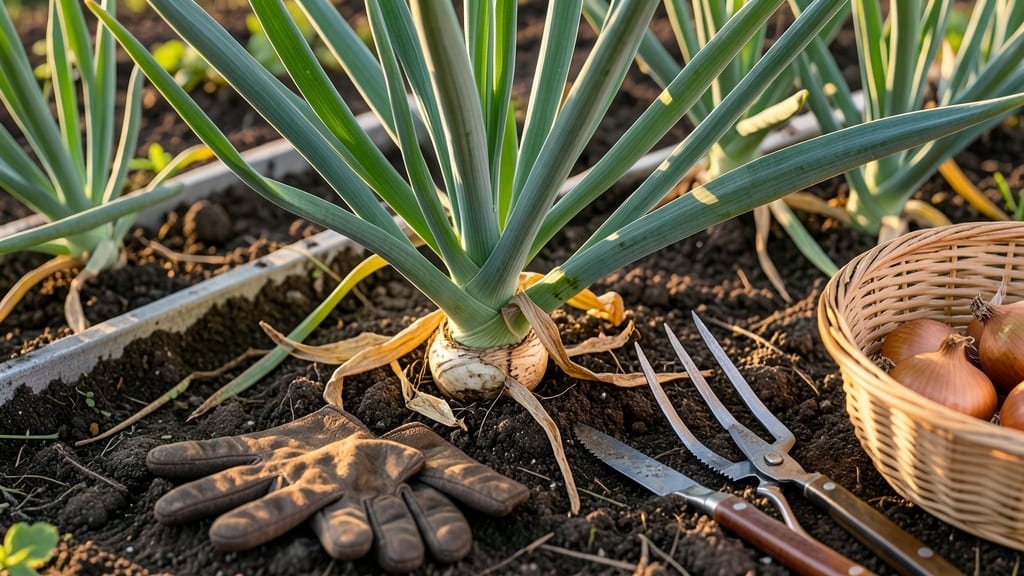
Harvesting onions at the right time means the difference between sweet, flavorful bulbs and tough, pungent ones—here’s how to tell when your 🧅 are ready.
Picture this: you’ve nurtured your onions all season, and now the tops are yellowing or flopping over. That’s your cue—but wait too long, and you’ll end up with oversized, hollow bulbs. Timing is everything, and missing it can turn your harvest into a bitter disappointment.
Most onions are ready between 90 and 120 days after planting, but size matters just as much as days. Aim for bulbs that are about 1 to 2 inches in diameter with papery skin forming at the neck.
In Zone 6a, that usually lands in late June for spring-planted varieties or October for fall harvests.
Below, I’ll walk you through the exact signs to watch for—from leaf color to bulb firmness—and how to handle them so your onions stay fresh and delicious long after the garden is done.
When to harvest onions based on bulb size and growth stage
Timing your onion harvest correctly ensures sweet, flavorful bulbs instead of tough, bitter ones. The key lies in watching for specific bulb sizes and leaf color changes that signal maturity.
Spring-planted onions and fall-planted varieties have different ideal harvest windows, so understanding these cues is essential for gardeners in USDA Zone 6a and beyond.
Onions typically take 90–150 days to mature, depending on the variety. For spring-planted onions, aim for harvest between June and July, while fall-planted onions should be ready by October or November. The exact timing depends on bulb diameter, leaf condition, and seasonal weather patterns.
Here’s a quick reference for ideal harvest timing based on bulb size and growth stage:
For spring-planted onions, start checking bulbs in late spring when they reach 1–1.5 inches in diameter. The tops will begin yellowing at the tips, signaling it’s time to harvest.
If you’re growing long-day onions, wait until the bulbs are 2 inches wide and the tops have mostly fallen over.
Fall-planted onions follow a similar pattern but mature later in the season. Aim to harvest before the first frost, which can damage bulbs.
If your onions are still small when frost arrives, pull them early and cure indoors for storage. Papery skin formation is another key indicator—this protective layer develops as the onion matures.
One common mistake is waiting too long, which leads to soft, pungent bulbs that store poorly. Conversely, harvesting too early results in small, underdeveloped onions. To test readiness, gently pull a bulb from the soil—if it comes out easily with a firm, dry neck, it’s ready.
If the bulb is still small or the neck is soft, wait a few more days.
Seasonal variations matter, too. In hot, dry climates, onions may mature faster, while cooler regions might need an extra week or two. Always adjust your harvest timeline based on local weather patterns. For example, if summer heat arrives early, your onions could be ready sooner than expected.
Pro tip: Harvest in the morning after the dew has dried but before the sun is too intense. This reduces stress on the plants and helps the bulbs cure more evenly. After pulling, let onions dry in a shady, well-ventilated area for 2–3 days before storing to prevent rot.
By paying attention to bulb size, leaf color, and neck tightness, you’ll consistently harvest onions at their peak. This ensures the best flavor and storage life, whether you’re growing sweet red onions, mild yellow onions, or pungent white onions.
Top visual and physical signs your onions are ready for harvesting
Knowing when to harvest onions is all about reading your plants’ visual cues and physical signals. The moment your onions show these key signs, they’re primed for picking—before they become tough or hollow.
I’ve learned the hard way that waiting just a few extra days can turn a perfect harvest into a disappointing one, so let’s break down what to watch for.
First, pay attention to the leaf color. Healthy, mature onion tops start turning from vibrant green to a straw-like yellow. This color change signals the plant is redirecting energy from leaf growth to bulb development.
If you see more than half the leaves yellowing or flopping, it’s time to act. Don’t confuse this with temporary stress from heat or drought—those leaves will bounce back if conditions improve.
Next, check the bulb size and neck tightness. At harvest time, your onions should be about 1 to 2 inches in diameter. Gently grasp the bulb near the soil line—if it feels firm and the neck (where the bulb meets the stem) tightens, that’s another green light.
A loose neck means the onion isn’t fully mature yet. Pro tip: Use a ruler or your fingers to measure the diameter; consistency is key for even cooking later.
- 1. Yellowing Tops: Over 50% of leaves turn straw-yellow and flop over.
- 2. Bulb Firmness: Bulbs feel solid when squeezed near the soil.
- 3. Papery Skin: Outer layers develop dry, papery texture at the neck.
- 4. Size Check: Diameter reaches 1–2 inches (like a golf ball).
- 5. Easy Pull: Bulbs lift out of soil with gentle tugging (no resistance).
One of the biggest mistakes I’ve seen (and made!) is harvesting onions based solely on days after planting. While most varieties mature in 90–120 days, environmental factors like temperature and rainfall can shift that timeline.
For example, spring-planted onions in Zone 6a often hit peak readiness in late June, while fall varieties may be ready by October. Always cross-reference days with physical signs—never guess!
Don’t overlook the soil condition either. Dry soil can trick you into thinking onions are ready when they’re not. Before harvesting, let the soil dry out slightly for 1–2 days to prevent rot during storage.
If the ground is soggy, wait—wet bulbs won’t cure properly. I like to test this by gently scraping away a bit of soil; if the bulb feels firm and the neck is tight, it’s harvest-ready.
Finally, distinguish between mature onions and those that need more time. If your onion tops are still green and upright, or the bulb is smaller than a golf ball, give them another 1–2 weeks.
Over-mature onions (with hollow centers or split skins) are a common pitfall. The goal is to harvest when bulbs are firm, dry, and flavorful—not when they’re past their prime.
Once you’ve confirmed all these signs, it’s time to harvest! Use a sharp knife or garden fork to lift bulbs carefully, leaving the roots intact. Cure them in a dry, shady spot for 2–3 weeks to develop their full flavor.
Trust the process, and you’ll always know exactly when your onions are at their best. 🧅