
How To
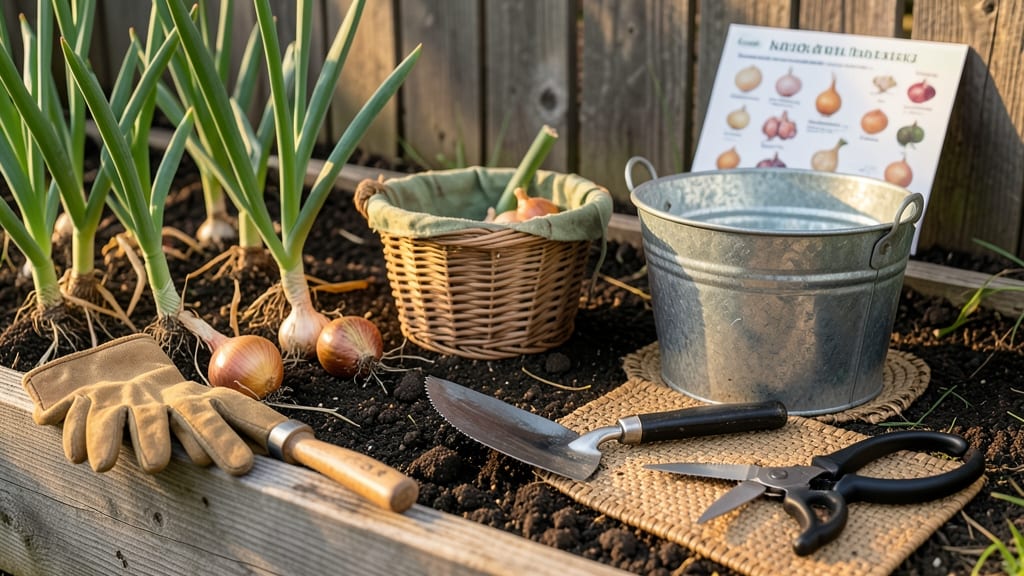
Knowing when to harvest onions means catching them at the perfect moment—when their tops flop over and the bulbs are firm but still sweet 🧅.
Picture this: you’ve nurtured your onions all season, and now the tops are yellowing and falling over. That’s your cue—harvest too late, and you’ll end up with tough, pungent bulbs instead of the tender, flavorful ones you’ve been waiting for.
But what if your onions don’t flop? Or if you’re unsure whether the bulbs are ready? The key is checking the base for a tight, papery skin and comparing their size to the variety you planted. Storage onions need more time, while green onions can be harvested earlier.
In this guide, I’ll walk you through the base shrivel and top flop tests, seasonal timing tips, and how to handle different varieties—so you never miss the harvest window again.
The base shrivel test: how to check onion bulbs for harvest readiness
Harvesting onions at the perfect moment transforms your garden into a flavorful treasure trove. The base shrivel test is my go-to method for determining when onions are ready—it’s simple, reliable, and avoids the guesswork.
Unlike leaf color or bulb size, this test focuses on the neck area where the bulb meets the soil, revealing maturity cues most gardeners miss.
When onions reach maturity, the neck tightens and the base begins to shrivel slightly. This isn’t just a visual trick—it’s a biological signal that the bulb has stopped growing upward and is redirecting energy to storage sugars.
Skipping this step often leads to underdeveloped bulbs or ones that split in storage. Let’s break down exactly what to look for and how to perform this test correctly.
| Maturity Stage | Base Condition | Bulb Size | Action |
|---|---|---|---|
| Early Growth | Firm, green, no shrinkage | Small (<1 inch) | Wait 2-3 weeks |
| Developing | Slightly softened, minor wrinkles | 1-1.5 inches | Monitor weekly |
| Ready to Harvest | Neck tightens, base shriveled, papery skin | 1.5-2.5 inches | Harvest within 3 days |
| Overripe | Base deeply wrinkled, skin cracks | 2+ inches (but tough) | Use immediately or discard |
To perform the test, gently lift an onion from the soil and inspect the base where the bulb meets the neck. A ready onion will show a noticeable shrinkage—the skin will pull away slightly, and the neck will feel tight and dry.
This is your cue that the bulb has reached its peak sugar content. If the base feels spongy or the skin is still green, hold off on harvesting for another week or two.
One common mistake is confusing base shrivel with disease. Onions with fungal issues (like neck rot) may also show shriveling, but they’ll have dark spots or a foul odor. Healthy shriveling is uniform and dry, while diseased onions feel mushy or smell off.
When in doubt, cut the bulb open—if the flesh is firm and white, it’s ready to harvest.
Timing is critical because onions continue to grow even after the tops flop. If you wait too long, the bulbs become tough and pungent, losing their sweetness. For storage onions, harvest when the base is 70% shriveled—this ensures they’ll keep well through winter.
For green onions or scallions, you can harvest earlier when the base shows just the first signs of wrinkling.
Pro tip: Test a few onions from different parts of your garden. Onions in partial shade may mature slower, so their bases will shrivel later than those in full sun.
Also, yellow onion varieties often show shriveling earlier than red or white onions, which can take an extra week or two. Keep a small notebook to track which varieties mature fastest in your climate.
After confirming the base shrivel, give your onions 2-3 more days of dry weather before harvesting. This allows the skin to fully dry and toughen, preventing rot during storage.
Use a sharp knife or garden shears to cut the tops about 1 inch above the bulb, leaving the roots intact. This helps the bulbs cure properly and last longer in storage.
If you’re growing short-day onions (like Texas Early White), the base shrivel test becomes even more important because these varieties are day-length sensitive. They’ll mature faster in cooler climates, so don’t assume all onions follow the same timeline.
Always trust the physical cues over calendar dates—your onions will thank you with sweeter, longer-lasting bulbs.
Remember, the base shrivel test isn’t just about harvest timing—it’s about quality control. By mastering this simple check, you’ll avoid the heartbreak of underripe or overripe onions and enjoy a harvest that’s flavorful, fresh, and perfect for storage.
Grab a handful of onions today and put this test to the test—your future meals will taste the difference!
Top flop test explained: why onion tops fall over when it’s time to harvest
The top flop test is nature’s way of signaling your onions are ready for harvest. When the green tops suddenly yellow and flop over, it’s a clear sign the bulb below has reached peak maturity.
This isn’t just coincidence—it’s a biological process triggered by the plant redirecting energy from leaf growth to bulb storage. Understanding this cue can mean the difference between sweet, flavorful onions and bitter, overripe ones.
But here’s the catch: not all flopping tops mean it’s harvest time. Disease or pests can cause similar symptoms, so you’ll need to distinguish between natural flopping and trouble. The key lies in the health of the plant and the condition of the bulb.
If the leaves are yellowing uniformly and the neck is tightening, you’re likely ready to harvest. If the flop is accompanied by mushy bulbs or brown spots, your onions may be diseased.
A flopped top isn’t always a harvest signal. Check these 3 signs before pulling:
- Uniform yellowing of leaves (not brown or spotted)
- Papery skin forming on the bulb
- Tightened neck between bulb and stem
Wait 1-2 days if unsure—overripe onions lose flavor and storage life.
The flopping occurs because the plant’s photosynthesis process slows as it shifts nutrients to the bulb. This causes the stems to weaken and collapse, a natural defense mechanism to protect the developing bulb from disease.
For storage onions, this is your golden window—harvest within 1-2 weeks of flopping for the best results. If you miss this, the bulbs may split or rot in the ground.
Not all onion varieties flop the same way. Green onions and scallions rarely flop—they’re harvested when leaves reach 6-8 inches tall. But for storage onions like Yellow Granex or Sweet Spanish, the flop is your best indicator.
Pay attention to the bulb size too: it should be 2-3 inches wide when the tops flop.
If your onions flop but the bulbs are still small, they may need a few more weeks in the ground. Conversely, if the tops flop but the bulb feels soft or hollow, they’ve overripe.
In this case, harvest immediately to salvage what you can. Storage life depends on proper curing after harvest, so act quickly once the flop occurs.
Pro tip: Gently lift a few onions when tops flop to check bulb development. If the skin is dry and papery, you’re good to go. If it’s still green and firm, wait another week. Timing your harvest this way ensures maximum flavor and storage potential—no more tough, pungent onions!