
How To
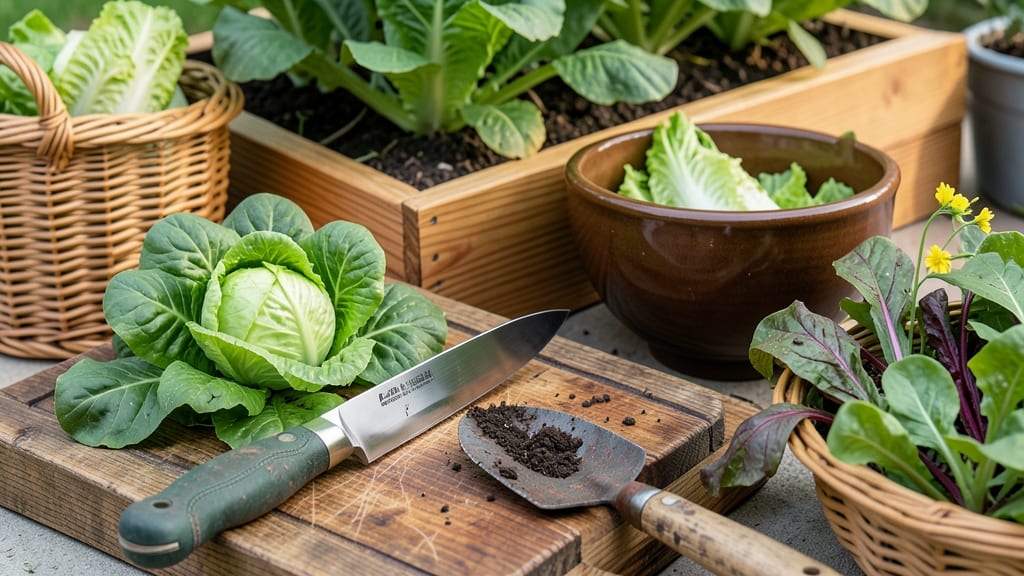
To properly harvest lettuce 🥬, start by checking for crisp, vibrant leaves that are 4-6 inches tall—this is your cue that the flavor and texture are at their peak.
Picture this: you’ve nurtured your lettuce through 30 days of careful watering and shade, only to pick it at the wrong moment and end up with bitter, wilted greens instead of the fresh salad you imagined.
The difference between a disappointing harvest and a crisp, restaurant-quality bowl lies in timing and technique.
Lettuce thrives when harvested early in the morning, when leaves are cool and hydrated, ensuring maximum crispness. Whether you’re growing leaf varieties or heading types, knowing when to snip—and how—can extend your harvest season and even encourage regrowth for a second crop.
In this guide, I’ll walk you through the exact steps to harvest lettuce without damaging the plant, how to tell when it’s truly ready, and the best methods to keep your greens fresh longer—so you can enjoy homegrown salads all season long.
When and how to harvest lettuce for maximum freshness and flavor
Timing your lettuce harvest is an art that separates crisp, flavorful greens from bitter, wilted disappointment. Lettuce reaches peak flavor when harvested at the right maturity stage—typically between 30-60 days after planting, depending on the variety.
Understanding these maturity windows ensures you enjoy the best texture and taste from your garden. For example, loose-leaf varieties like 'Black Seeded Simpson' are ready in as little as 25-30 days, while romaine types like 'Little Gem' take closer to 60 days to fully mature.
Harvesting at the wrong time can also trigger premature bolting (when lettuce sends up a flower stalk), especially in heat. The key is to watch for visual and tactile cues—like firm leaves and vibrant color—rather than relying solely on days since planting.
Even the time of day matters: always harvest in the morning after dew dries (around 6-8 AM) when leaves are cool and crisp, not wilted from afternoon heat.
| Variety | Days to Maturity | Harvest Cues | Best Harvest Method |
|---|---|---|---|
| Loose-Leaf (e.g., 'Salad Bowl') | 25-30 days | Leaves 4-6" tall, vibrant color | Cut-and-come-again (outer leaves) |
| Butterhead (e.g., 'Buttercrunch') | 45-50 days | Heads firm, 4-5" wide, soft texture | Full head removal (harvest all at once) |
| Romaine (e.g., 'Parris Island') | 55-60 days | Tight, elongated heads, deep green | Full head removal (avoid cutting too low) |
| Iceberg (e.g., 'Great Lakes') | 60-70 days | Compact, crisp heads, white inner leaves | Full head removal (harvest when fully closed) |
To harvest loose-leaf lettuce, use the cut-and-come-again method: snip outer leaves with clean sharp scissors or pruning shears, leaving the inner growth intact. This encourages regrowth for 2-3 additional harvests.
For head lettuce varieties like romaine or butterhead, cut the entire head 1-2 inches above the base using a sharp knife to avoid damaging the root system. Always disinfect your tools with rubbing alcohol between harvests to prevent disease spread.
Never pull lettuce from the ground by its leaves—this can uproot the plant and stunt future growth. Instead, focus on clean cuts that minimize damage to surrounding foliage.
If harvesting multiple varieties in one bed, prioritize loose-leaf types first, as they mature faster and can shade out slower-growing head lettuce. Pro tip: Harvest on cloudy days if possible, as direct sunlight can cause leaves to wilt faster after cutting.
After harvesting, store lettuce properly to maintain crispness. Rinse leaves briefly under cool water (never soak), then dry thoroughly with a clean towel or salad spinner. Store in an airtight container lined with a paper towel to absorb excess moisture, and refrigerate at 32-35°F.
For extended shelf life, wrap heads loosely in plastic wrap before storing—the right conditions can keep your harvest fresh for up to 2 weeks.
One common mistake is waiting too long to harvest, which leads to bolting (flowering) or bitter taste. If your lettuce starts sending up tall stems, it’s past its prime. For continuous harvests, succession plant every 2-3 weeks throughout the growing season.
This ensures you always have fresh, tender leaves without gaps in your supply. Even in hot climates, shade cloth can help delay bolting and extend your harvest window.
For container-grown lettuce, harvest similarly but be extra gentle—pots have limited root space, so avoid cutting too close to the edges. If your lettuce grows too tall or leggy, it’s a sign of insufficient light.
Move containers to a sunnier spot immediately and harvest smaller leaves to encourage bushier growth. With the right timing and techniques, you’ll enjoy a steady stream of homegrown greens all season long.
Remember, the sooner you harvest, the sweeter and crisper your lettuce will be. Don’t let your garden’s hard work go to waste—master these harvesting tricks and you’ll always have restaurant-quality greens at your fingertips. Happy harvesting! 🥬✂️
Cut-and-come-again vs. full harvest: which method works best for your lettuce type?
Deciding between cut-and-come-again and full harvest methods can feel overwhelming, but the right choice depends entirely on your lettuce variety and goals. Leaf lettuce like romaine and butterhead often thrive with cut-and-come-again, while head lettuce like iceberg or crisphead are best harvested all at once.
The key is understanding how each method impacts regrowth and flavor.
With cut-and-come-again, you snip outer leaves, leaving the inner growth intact. This method works wonders for loose-leaf varieties like oakleaf or red leaf, extending your harvest by 3-4 weeks with proper care.
However, it requires more frequent attention and isn’t ideal for varieties prone to bolting, like some romaine types.
For full harvest, you cut the entire head at once when fully mature. This is perfect for head lettuce varieties that develop a tight, crisp center. While it provides a single abundant harvest, you won’t get regrowth—so plan for succession planting every 2-3 weeks to maintain a steady supply.
Cut-and-Come-Again Method
- Extends harvest by 3-4 weeks
- Ideal for leaf lettuce varieties
- Encourages continuous regrowth
- Requires frequent harvesting
- Risk of bolting in heat
- Not suitable for head lettuce
Full Harvest Method
- Best for head lettuce varieties
- Single abundant harvest
- No risk of bitterness from regrowth
- No regrowth possible
- Requires succession planting
- Less flexible timing
To encourage regrowth with cut-and-come-again, always leave 2-3 inches of growth at the base and harvest outer leaves first. Water thoroughly after cutting to prevent stress, and consider shading cloth if temperatures exceed 80°F to avoid bolting.
For full harvest, use a sharp knife or scissors to cut just above the soil line for a clean break.
If you’re growing mixed varieties, consider dedicating separate beds to each method. For example, plant loose-leaf lettuce in one area for cut-and-come-again and iceberg or romaine in another for full harvest. This way, you’ll enjoy fresh greens all season without compromising quality or flavor.
Remember, the best method depends on your climate, variety, and goals. Experiment with both to see what works best in your garden—your future salads will thank you! 🥬