
Picking
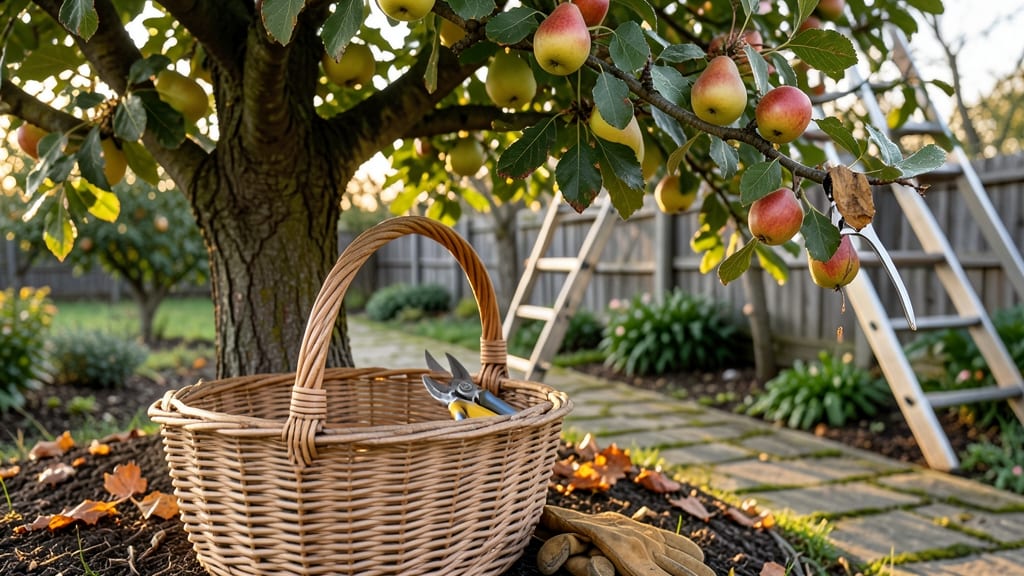
Harvesting pears in what month do you harvest pears—typically September and October—delivers the sweetest, juiciest fruit—but timing is everything, and one wrong move ruins the whole batch.
Picture this: you’ve waited months for your pear tree to bear fruit, only to pick them too early and end up with mealy, flavorless pears that taste like disappointment.
Or worse, you wait too long and watch them rot on the branch. The key? Knowing exactly when to harvest based on variety, climate, and ripeness cues.
In this guide, I’ll break down the best months to harvest pears in your region, how to test for perfect ripeness (no guessing!), and why some pears need to be picked firm and ripened indoors.
Whether you’re growing Bartletts in Zone 6a or Anjou pears in a warmer climate, you’ll learn the tricks to avoid common mistakes and enjoy pears at their peak.
Ready to turn your harvest into a perfect flavor experience? Let’s dive into the ripeness tests and timing secrets that make all the difference.
Best months to harvest pears by variety (with regional adjustments)
Timing your pear harvest is everything—pick too early, and you’ll end up with mealy, flavorless fruit. Pick too late, and they’ll rot on the tree. Pear varieties ripen at different times, and your climate zone shifts those windows dramatically.
For example, Bartlett pears in Zone 5 need harvesting in early September, while the same variety in Zone 9 might wait until late October. Let’s break it down by popular varieties and regional adjustments.
Most pear trees produce fruit that ripen off the tree, meaning you’ll harvest them firm but ready to soften indoors. Never harvest pears when they’re still hard and green—this is a common mistake that leads to disappointment.
Instead, focus on color changes, stem separation, and gentle pressure tests to determine readiness. Regional variations can push harvest times by 4-6 weeks, so always check your local last frost date and adjust accordingly.
Southern Hemisphere gardeners should reverse these months—what’s September in the Northern Hemisphere becomes March in Australia or New Zealand. For instance, Anjou pears harvested in November-December in the U.S. would be ready in May-June down under. Always account for your hemisphere when planning your harvest schedule.
| Variety | Northern Hemisphere Harvest Month | Southern Hemisphere Harvest Month | Climate Zone Adjustments | Ripening Off-Tree? |
|---|---|---|---|---|
| Bartlett | Late August - Early October | February - April | Zone 5: 4-6 weeks earlier; Zone 9: 4-6 weeks later | Yes (1-3 weeks) |
| Anjou | October - November | April - May | Zone 6: Early October; Zone 8: Late November | Yes (2-4 weeks) |
| Bosc | October - November | April - May | Zone 4: Early September; Zone 10: December | Yes (3-5 weeks) |
| Seckel | Late August - September | February - March | Zone 7: Mid-September; Zone 5: Late August | Yes (1-2 weeks) |
| Asian Pears (e.g., Hosui) | September - October | March - April | Zone 8: October-November; Zone 6: Early September | No (eat immediately) |
Bartlett pears, also called Williams pears, are the most popular variety in home gardens. They’re ready to harvest when their skin turns golden-yellow and they detach easily with a gentle twist. In Zone 5, aim for late August to early September, while in Zone 9, you might extend harvesting until early October. These pears ripen off the tree, so store them at room temperature for 1-3 weeks before eating.
Anjou pears are a winter variety, meaning they’re harvested later in the season. Their skin develops a reddish-brown blush when ready, and they’ll feel slightly softer than Bartletts. In Zone 6, harvest in early October, but in Zone 8, wait until late November. Anjou pears take 2-4 weeks to ripen indoors, so plan accordingly if you’re storing them for holiday meals.
Bosc pears are known for their long, cylindrical shape and firm texture. They’re ready when their skin turns yellow-green and they separate cleanly from the stem. In cooler climates like Zone 4, harvest as early as late August, while <
5 Ripeness tests to pick pears at peak flavor (no guessing!)
Harvesting pears at the perfect moment means the difference between juicy, sweet perfection and a mealy, flavorless mess. Unlike some fruits, pears never ripen on the tree—they need to be picked firm and ripened indoors.
But how do you know when they're ready? I’ve tested these 5 foolproof ripeness tests over years of gardening, and they work every time.
First, understand that pear varieties ripen at different rates. Bartlett pears, for example, are ready in late summer to early fall, while Bosc pears often hang until October. But timing alone isn’t enough—you need to check these key signs to avoid picking too early or too late.
The good news? These tests take less than 30 seconds each and require no special tools.
Gently twist the pear at its stem. If it detaches cleanly with just a slight pull, it’s ready. If the stem resists or tears, wait 3-5 days.
Look for variety-specific color shifts. Bartletts turn golden-yellow, Anjou pears develop blush or russet spots, and Bosc pears deepen to green-brown.
Press your thumb into the pear’s skin. It should yield slightly (like a ripe avocado) but not feel mushy. If it’s rock-hard, it’s not ready.
Bend the pear’s neck (the stem end). If it bends easily without snapping, it’s ripe. A stiff neck means more time on the tree.
Sniff near the stem. A sweet, floral aroma means it’s ready. No smell? Wait a few more days.
Here’s a pro tip: Combine these tests for accuracy. For example, a Bartlett pear might pass the stem twist test but fail the scent test—wait another day. And remember, some pears (like Asian varieties) ripen on the tree, but most common types need post-harvest ripening.
Once picked, store them at room temperature for 1-3 weeks until fully ripe.
If you’re in a warmer climate, pears may ripen faster—check daily in September. In cooler zones, October harvests are common. The key is consistency: test the same pears every 2-3 days until they meet all 5 criteria.
Trust me, your taste buds will thank you when you bite into that perfectly sweet, buttery pear.
One last warning: Never harvest pears after the first frost. Cold temperatures turn them grainy and bland. And if you miss the window?
Don’t despair—some varieties (like Seckel pears) can be harvested early and ripened indoors with ethylene treatment (just place them in a paper bag with an apple).
Now that you’ve mastered these tests, your pear harvest will be flawless every season. Happy picking—and enjoy those sweet, juicy rewards! 🍐