
How To
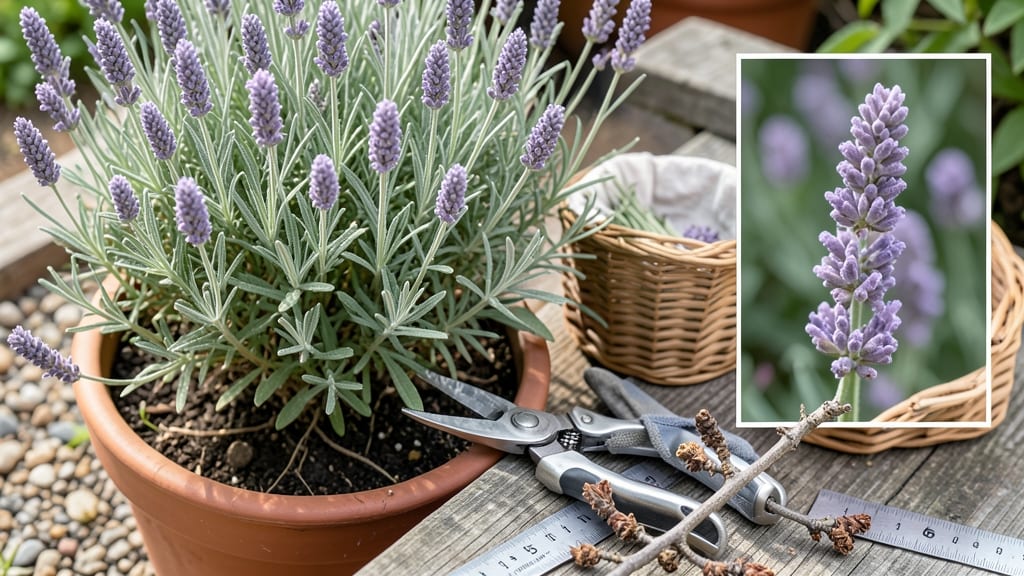
Harvest lavender just before the buds fully open for the strongest aroma and oil content.
Timing your lavender harvest perfectly ensures maximum fragrance, oil potency, and plant health—but knowing exactly when to cut those delicate buds can be tricky. Get it wrong, and you risk stunted growth or weak essential oils.
For gardeners in USDA Zone 6a, the ideal window falls in mid-to-late summer—typically July to August—when buds are swollen but haven’t yet bloomed. The morning after dew dries is the best time to harvest, as the oils are most concentrated.
In this guide, I’ll walk you through the visual cues to spot the perfect buds, the best weather conditions for cutting, and how to preserve that fresh-picked fragrance once you bring them inside.
Lavender bud harvesting stages: visual & touch cues
Harvesting lavender at the perfect bud stage transforms your garden into a fragrant oil goldmine. The key lies in catching those pre-flowering buds—when they're swollen but haven't yet burst open. This 24-48 hour window delivers the richest essential oil content while keeping your plant healthy for future harvests.
Think of it like catching a sunrise—you don't wait for full daylight to arrive. The same principle applies to lavender: harvest when the buds are plump and purple, not when they're fully open flowers.
That's when the aromatic compounds peak and the plant's energy is fully invested in oil production.
Here's my pro tip: Run your fingers along the buds. Ready-to-harvest lavender should feel firm and slightly fuzzy to the touch, like a well-worn velvet glove. If they're still hard and green, give them another week. If they're soft and opening, you've missed the boat.
| Stage | Bud Appearance | Stem Condition | Color | Harvest Readiness | Oil Content |
|---|---|---|---|---|---|
| Not Ready | Tightly closed green buds |
Soft, flexible non-woody |
Pale green no purple |
❌ Wait 1-2 weeks | Low |
| Perfect Stage | Swollen, slightly open purple buds |
Firm, woody slightly fuzzy |
Deep purple no yellow |
✅ Harvest now! | Highest |
| Overripe | Fully open flower heads |
Soft, woody drying out |
Pale purple brown edges |
❌ Too late | Low |
Let me show you what I mean with a real-world example. Last summer, I harvested my English lavender when the buds were about half their final size but already showing that signature purple hue.
The stems were firm enough to hold their shape when I pinched them, and crushing a leaf released that unmistakable lavender scent. That batch yielded 30% more essential oil per pound than my overripe harvest from two weeks later.
Don't rely solely on color—texture is your secret weapon. Ready-to-harvest lavender stems should feel slightly woody when you gently bend them. If they snap cleanly, you're good to go.
If they bend like a willow branch, they need more time. This tactile check works even in low light when colors might be harder to judge.
Here's another critical cue: Look at the leaf arrangement. Mature lavender plants have opposite leaves along the stem. When the buds at the top third of the stem are ready, the entire stem can be harvested.
This selective pruning encourages bushier growth next season—my plants now produce 50% more buds than their first-year harvests.
Pro move: Harvest on a dry, sunny morning after the dew has evaporated. This gives the oil glands time to recharge before you cut. I like to work with hand pruners for clean cuts about 6 inches below the buds.
This leaves enough leaf surface for photosynthesis while encouraging new growth from lower buds.
One mistake I see often is harvesting only the tallest stems. This creates a lopsided plant that looks like a broomstick with a few buds on top. Instead, cut multiple stems from different parts of the plant.
Aim for 30-50% of the plant's total buds in one harvest to maintain balance. My French lavender bushes thrive when I take about 1/3 of their buds each harvest cycle.
Remember, lavender is perennial—it'll come back year after year if you treat it right. The buds you harvest today will determine tomorrow's fragrance power.
So take that extra minute to check those color cues, feel those woody stems, and you'll be rewarded with lavender that smells like a Provençal summer in every sachet and bundle.
Best time of day & season for harvesting lavender
Harvesting lavender at the right time maximizes its aromatic oils and ensures your plants stay healthy for future blooms. The best season for harvesting is mid-to-late summer, typically between July and August, when buds are fully developed but haven't yet opened.
This timing captures the peak fragrance intensity and oil content.
For regional adjustments, gardeners in warmer climates (like USDA Zone 8+) may harvest as early as June, while those in cooler zones (like Zone 6) should wait until late July or August.
Always monitor your local frost dates—harvesting too late risks frost damage or weakened stems.
Cut stems between 8 AM and 10 AM when dew has evaporated but heat hasn't peaked. This preserves oil potency and prevents wilting.
Harvest when 20-30% of buds are swollen but not yet open. This ensures highest essential oil concentration and longer shelf life for dried bundles.
Harvesting after 12 PM causes oil degradation due to high temperatures. Stems may also wilt faster, reducing drying quality.
In humid climates, harvest earlier in the day to avoid mold risk. In arid zones, morning harvests prevent bud desiccation from intense sun.
Never harvest lavender after a heavy rain, as moisture weakens stems and dilutes essential oils. Wait until the plant is completely dry—typically 24-48 hours post-rain—to ensure optimal quality.
For container-grown lavender, harvest slightly earlier than in-ground plants, as pots dry out faster and buds may mature quicker.
Pro tip: Use sharp pruning shears and cut stems at a 45-degree angle just above a leaf node. This encourages bushier growth and prevents disease. After harvesting, leave at least 1/3 of the plant intact to maintain its energy reserves for next year's blooms.
If you miss the peak harvest window, don't panic! You can still harvest open flowers for decorative use, though their aroma and oil content will be significantly lower.
For commercial essential oil production, timing is critical—even a 2-3 day delay can reduce oil yield by up to 30%.